Fossils Found Under the Ocean and What They Reveal
Introduction
The vast majority of Earth’s surface is covered by oceans, and beneath these waters lies an extraordinary paleontological treasure trove. While most people associate fossils with dry land excavations, some of the most spectacular and scientifically valuable discoveries occur directly on the seafloor or in submerged sediments. These underwater fossils include perfectly preserved marine reptiles from the Mesozoic era, ancient whale skeletons on the deep-sea floor, and even microscopic organisms drilled from ocean sediments. They reveal critical details about ancient ocean chemistry, mass extinctions, dramatic climatic shifts, deep-sea ecosystems that have existed for over 100 million years, and the evolution of marine predators that rival anything alive today.
For a mesmerizing look at the prehistoric deep sea, watch this excellent documentary-style video: What was the Deep Sea like During Prehistoric Times?

(Modern whale skeleton on the deep ocean floor colonized by Osedax bone-eating worms – a living analog to ancient “reptile falls” on the seafloor.)
Whale Falls: Modern and Ancient Deep-Sea Oases
When a whale dies and sinks to the abyssal plain, its carcass creates a massive food bonanza known as a “whale fall.” Specialized communities of organisms, including the famous bone-eating zombie worms (Osedax), rapidly colonize the skeleton, sustaining life for decades in the nutrient-poor deep sea.
Remarkably, fossil evidence now proves that identical ecosystems existed long before whales evolved. Trace fossils of Osedax borings have been found in plesiosaur, mosasaur, and sea turtle bones from the Cretaceous period (over 100 million years ago), showing that these worms switched from ancient marine reptile carcasses to whale bones when reptiles went extinct.
This discovery reveals that complex, chemosynthetic deep-sea ecosystems have persisted for at least 100–150 million years, surviving multiple mass extinctions by exploiting whatever large vertebrate carcasses sank to the bottom.
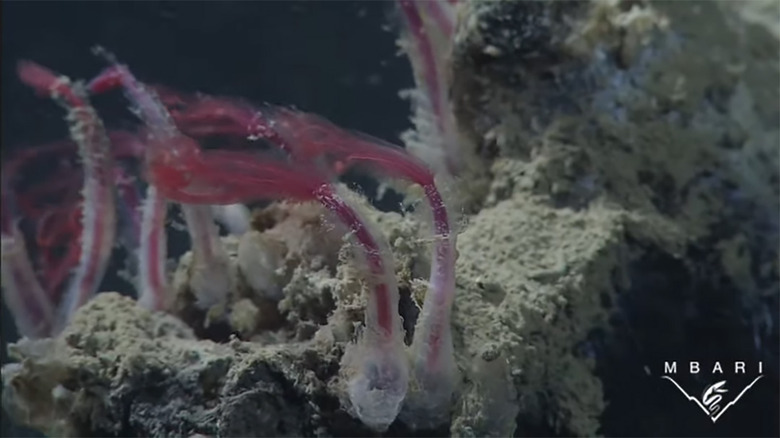
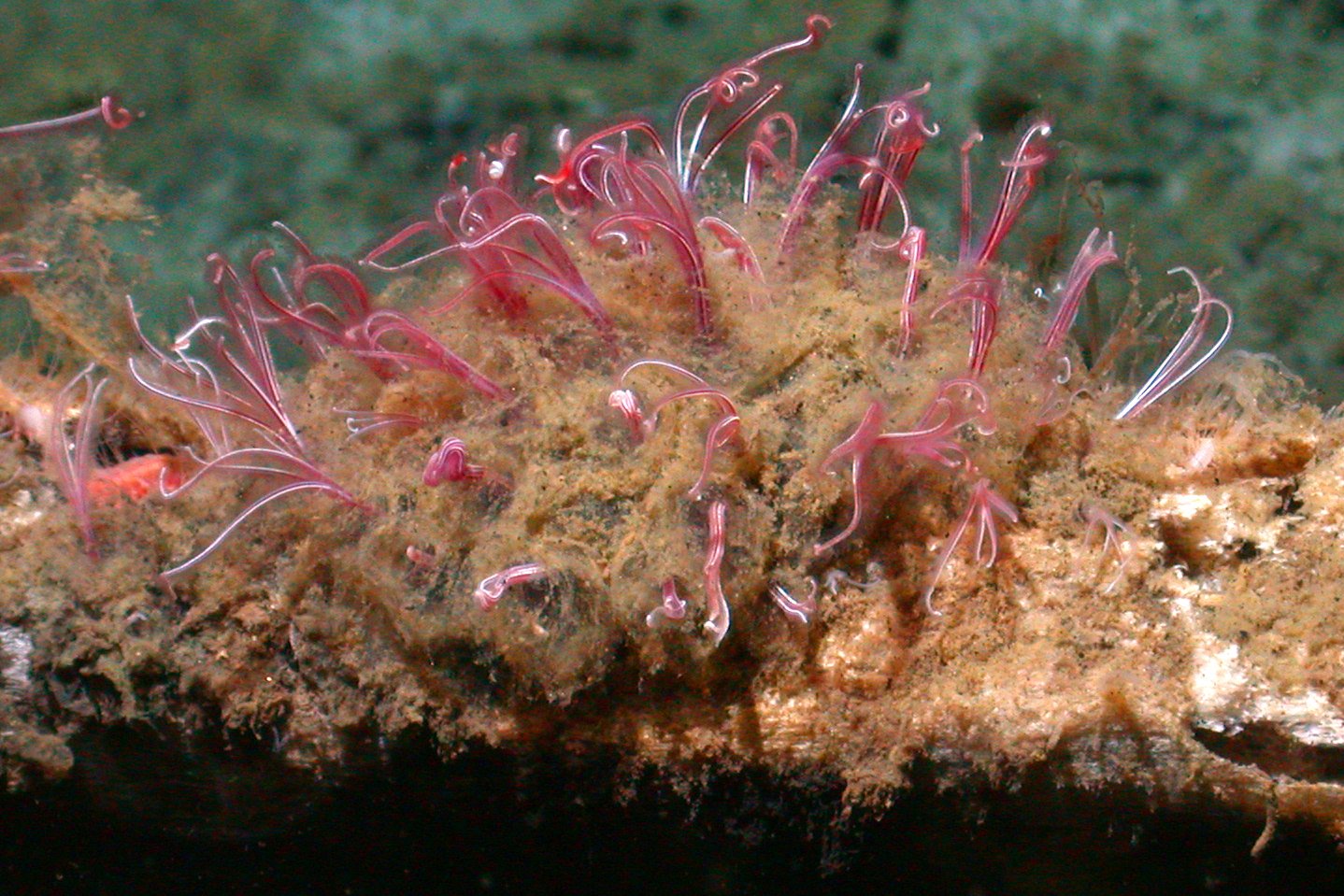
Watch this captivating short video about modern bone-eating worms and their eerie lifestyle: The Creepy Creatures That Feast On Dead Whales
Spectacular Underwater Marine Reptile Graveyards
Tyndall Glacier Ichthyosaur Mass Burial (Patagonia, Chile)
In southern Chile, retreating glaciers have exposed one of the most extraordinary fossil sites on Earth: at least 46 nearly complete ichthyosaurs buried together in Early Cretaceous rocks (~145 million years old). These dolphin-like marine reptiles, some pregnant with embryos, were likely killed catastrophically by underwater mudslides that swept them into oxygen-poor deep water, preserving them in exquisite detail.
This site provides a rare snapshot of a thriving Mesozoic ocean population and shows how sudden geological events can create lagerstätten (exceptional preservation sites) on the seafloor.
Dorset Pliosaur Skull (Jurassic Coast, UK)
In 2023, the most complete pliosaur skull ever found – a 2-meter-long “underwater T. rex” – was carefully extracted from the cliffs along England’s Jurassic Coast, but the specimen was originally preserved in seafloor sediments 150 million years ago. These short-necked plesiosaurs were apex predators with bite forces rivaling tyrannosaurs.
Watch Sir David Attenborough’s incredible documentary on its discovery and reconstruction: Attenborough and the Jurassic Sea Monster (BBC) – a must-see for any paleontology enthusiast.
Hokkaido “Plesiosaur Falls” (Japan)
Two Late Cretaceous plesiosaur skeletons (~85–93 million years old) discovered in deep-water sediments off Hokkaido, Japan, show direct evidence of ancient whale-fall-like communities. The bones are covered in fossilized gastropods and bear borings from early Osedax-like worms – proving that specialized scavengers colonized large reptile carcasses just as they do whale skeletons today.
Submarine Discoveries of Giant Ichthyosaurs
Many of the largest known ichthyosaurs have been found in rocks that were once deep seafloor:
- Cymbospondylus youngorum (Nevada, USA) – A 17-meter-long Triassic giant with a skull the size of a grand piano, discovered in rocks that formed in deep oceanic waters 246 million years ago.
- Berlin-Ichthyosaur State Park (Nevada) – Contains the largest concentration of Shonisaurus fossils (up to 15 meters long), including nine individuals that may represent a mass stranding or toxic bloom event in ancient deep water.
These finds show that ichthyosaurs reached whale-like sizes only 3–5 million years after the Permian mass extinction, filling the top-predator niche incredibly quickly.

(Artistic reconstruction of giant Triassic ichthyosaurs patrolling ancient oceans.)
Shallow-Water Underwater Excavations
In Peru’s Ocucaje Desert (once an ancient seafloor), divers and paleontologists work underwater in Miocene sediments (13–8 million years old) to excavate complete skeletons of early baleen whales, sperm whales, and the colossal Perucetus colossus – possibly the heaviest animal ever to live, weighing up to 340 tons.
These specimens, excavated directly from submerged strata, reveal the rapid evolution of whales into oceanic giants after they returned to the sea.

(Vertebrae of Perucetus colossus, the heaviest known animal, excavated from ancient seafloor deposits in Peru.)
What These Underwater Fossils Reveal About Earth’s History
- Ancient Oxygen Levels and Anoxic Events – Many mass burials (like the Chilean ichthyosaurs) occurred in low-oxygen zones, revealing periods when large parts of the ocean became deadly “dead zones.”
- Continuity of Deep-Sea Ecosystems – The presence of Osedax on Cretaceous reptile bones proves that specialized chemosynthetic communities predate whales by tens of millions of years.
- Rapid Evolutionary Recoveries – Giant ichthyosaurs evolved to whale-size within just a few million years after the worst mass extinction in history.
- Climate and Sea-Level Insights – Seafloor cores containing foraminifera and other microfossils provide the most continuous record of past CO₂ levels, ocean temperature, and ice ages.
- Preservation Bias – The deep seafloor’s low-oxygen, low-disturbance environment creates some of the finest fossil preservation on Earth – far better than most land sites.
Conclusion
Fossils discovered beneath our oceans – whether by submersibles at 4,000 meters depth, scuba divers in ancient seabeds, or retreating glaciers – are revolutionizing our understanding of prehistoric life. They show that the deep sea has been a place of both incredible preservation and hidden ecological complexity for hundreds of millions of years. From bone-eating worms that survived the dinosaur extinction to marine reptiles that rivaled modern whales in size, these underwater discoveries continue to reveal that the greatest paleontological frontier may not be on land, but beneath the waves.
For an awe-inspiring visual journey into prehistoric oceans ruled by monsters, watch: This Prehistoric Ocean Was Thalassophobia On Steroids