Why Marine Fossils Are Found in Deserts
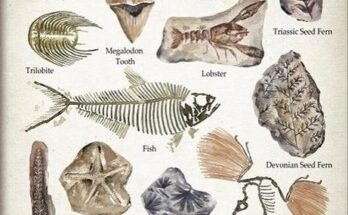
Finding marine fossils—such as shells, corals, ammonites, trilobites, fish, or even whale skeletons—in arid deserts seems counterintuitive today. Deserts are dry, hot, and far from any ocean. However, these discoveries reveal Earth’s dynamic geological history: many current deserts were once shallow seas, ocean floors, or coastal environments millions of years ago. Over time, tectonic plate movements, changes in sea levels, and erosion transformed underwater seabeds into dry land, exposing ancient marine fossils.
Marine organisms died, sank to the seafloor, and were buried by sediments like mud, sand, or lime. These layers compressed into sedimentary rock, preserving the remains as fossils. Later geological processes—such as uplift from plate collisions, falling sea levels, or continental shifts—lifted these rocks above water. Erosion from wind and rare rains in deserts stripped away overlying material, revealing the fossils on the surface. Deserts are especially good for fossil hunting because sparse vegetation and thin soil expose bedrock, unlike vegetated areas where fossils remain buried or damaged by roots.
Key Geological Processes Behind the Phenomenon
- Ancient Oceans and Shallow Seas — During periods like the Cretaceous or Eocene, higher global sea levels flooded continental areas, creating vast inland seas or epicontinental seas teeming with marine life.
- Sedimentation and Burial — Dead marine creatures were rapidly buried, preventing decay and enabling fossilization.
- Tectonic Uplift and Sea-Level Changes — Plate tectonics raised landmasses, while sea levels dropped, turning seabeds into dry terrain.
- Erosion in Arid Environments — Deserts’ lack of plant cover and intense weathering expose fossils without much disturbance.
Famous Examples of Marine Fossils in Deserts
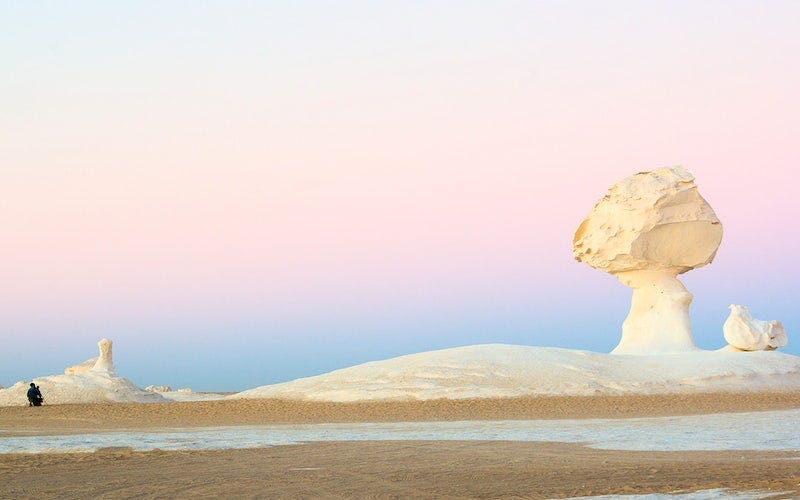
- Sahara Desert (Egypt, Morocco, Mali) — The Sahara was once covered by the Tethys Sea or Trans-Saharan Seaway. Wadi Al-Hitan (“Valley of the Whales”) in Egypt’s Western Desert contains hundreds of ancient whale skeletons (Basilosaurus and Dorudon, ~40 million years old), along with sharks, crocodiles, turtles, and sirenians. These primitive whales document the transition from land to fully marine life. Other sites yield trilobites, ammonites, and giant catfish fossils.
Whale skeletons in the Egyptian Sahara:
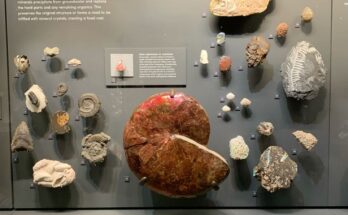
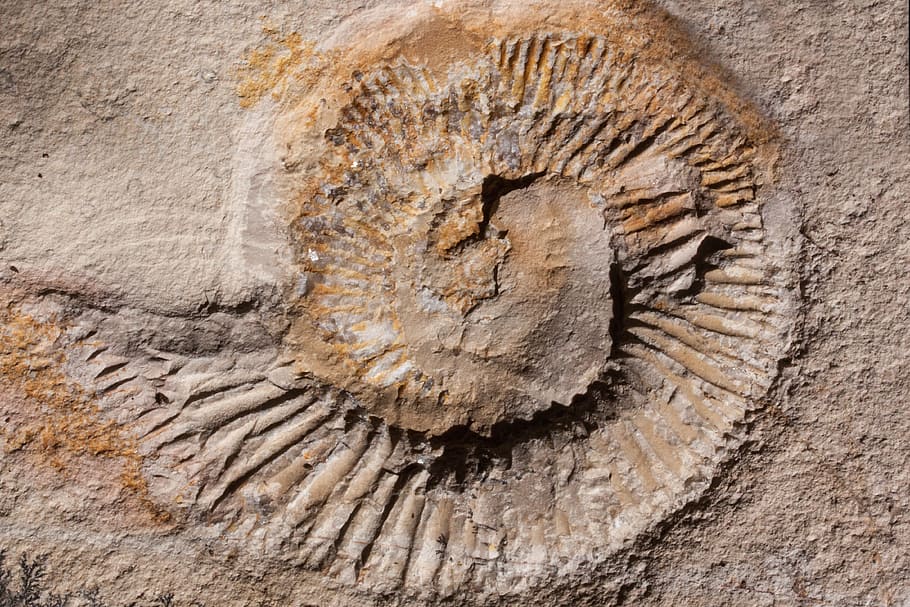
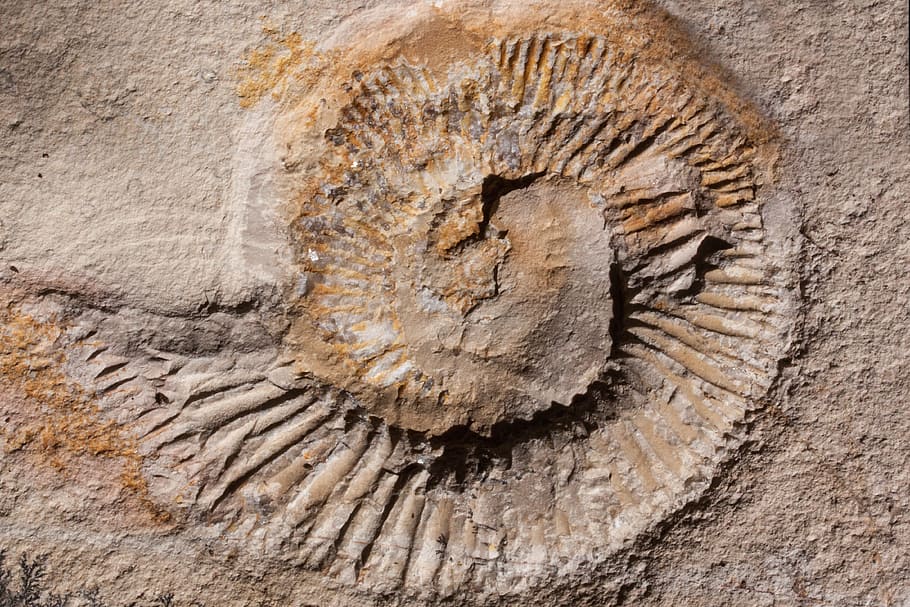
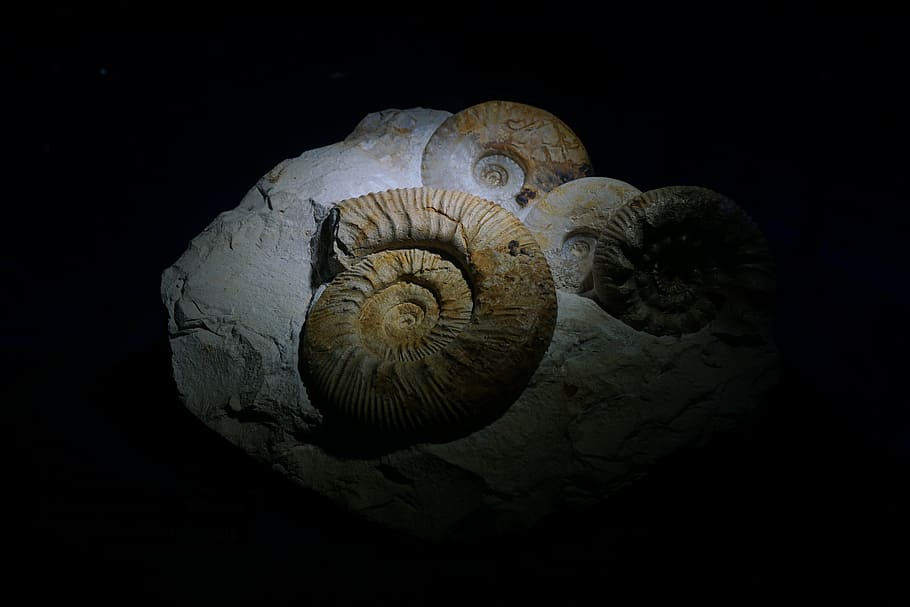
Marine ammonites and shells in desert settings:

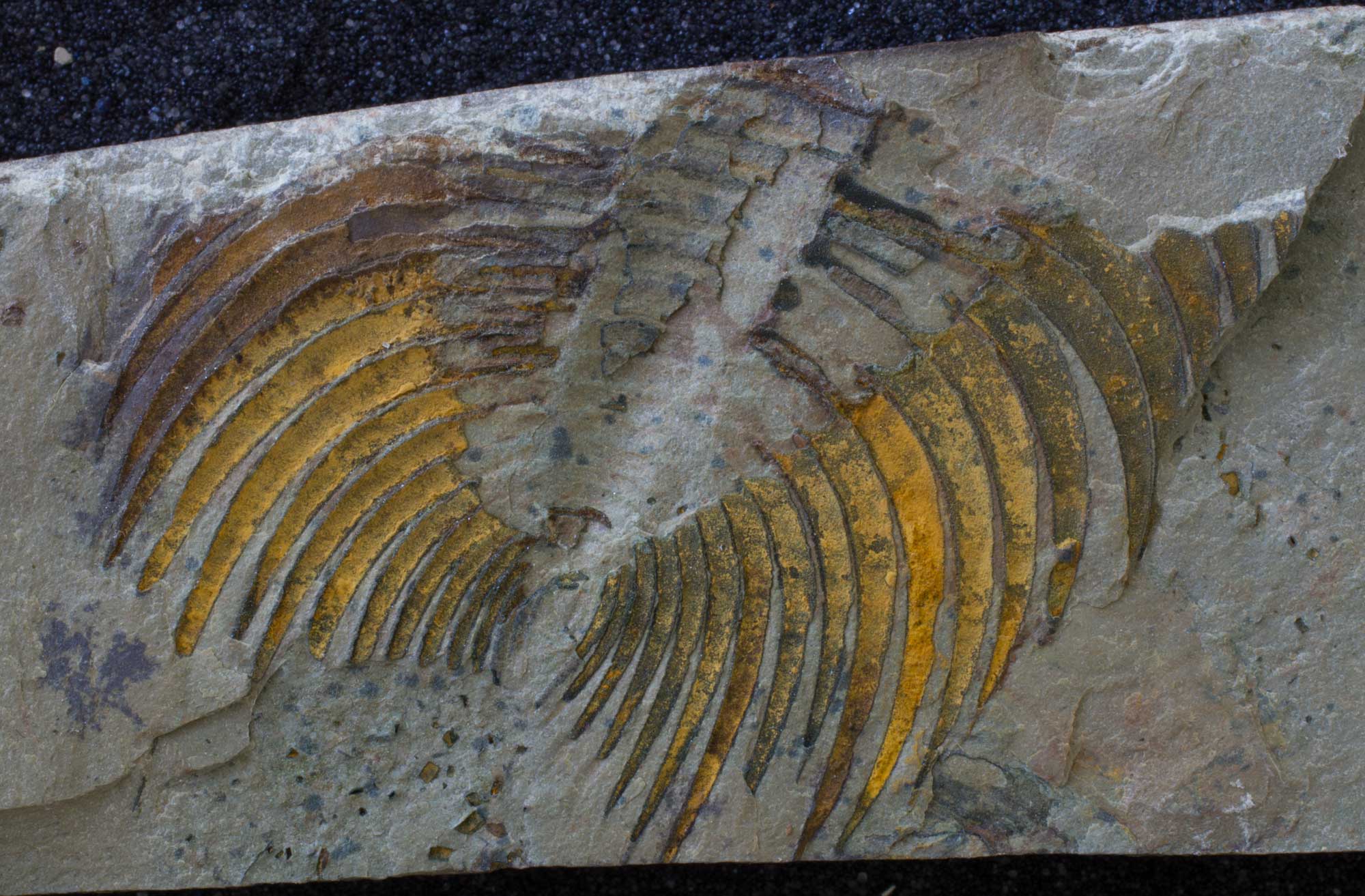
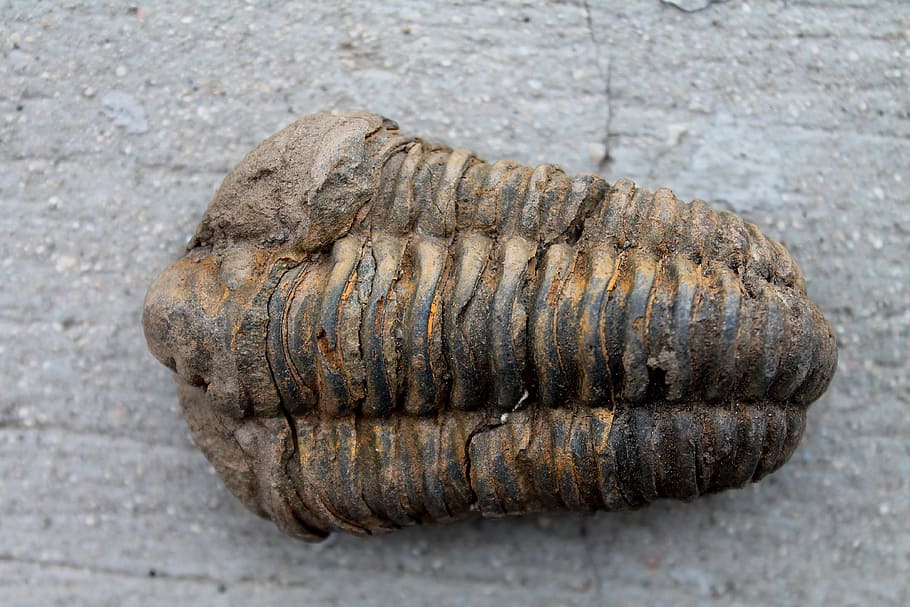
- Mojave Desert (California, USA) — This region preserves marine fossils from ancient shallow seas, including Cambrian trilobites, Devonian to Permian corals, brachiopods, and horn corals in limestone formations like the Monte Cristo Formation.
Trilobite fossils from desert exposures:


- Other Deserts — The Atacama Desert in Chile holds Miocene marine bonebeds with whales, aquatic sloths, and seabirds. Parts of the Arabian Peninsula and Australian deserts show similar marine sedimentary deposits and fossils.
These finds highlight dramatic environmental shifts: what is now barren sand was once vibrant ocean ecosystems. They also provide evidence for plate tectonics, past climate changes, and evolutionary transitions (like whale origins).
For more insight, explore videos on sites like Wadi Al-Hitan or read about the Trans-Saharan Seaway. Deserts may look lifeless now, but their rocks whisper stories of ancient oceans!