Horse Myths Debunked: What’s True and What’s Not
Horses have been part of human culture for millennia, leading to a wealth of folklore, old sayings, and persistent myths. Some are harmless barn tales, but others can influence care practices in ways that aren’t ideal—or even harmful. Drawing from equine veterinary sources, behavior studies, and expert consensus (like the AAEP and recent articles), this guide tackles some of the most common myths with clear facts. Let’s separate truth from fiction!
For visuals to illustrate key points:



(These show horses comfortably lying down for essential REM sleep in safe settings.)
1. Horses Only Sleep Standing Up
Myth: Horses never lie down and get all their sleep on their feet. Fact: Horses use a “stay apparatus” (special ligaments) to lock their legs and doze lightly while standing for quick predator escape. However, they must lie down for deep REM sleep—usually in short sessions totaling a few hours over 24 hours—when they feel secure, often in a herd. Depriving them of lying down can lead to sleep deprivation and health issues.
2. Never Give a Hot/Sweaty Horse Cold Water—It Causes Colic
Myth: Cold water shocks a hot horse’s system, leading to cramps, colic, or founder. Fact: This old tale has no strong scientific backing. Horses need prompt rehydration after exercise or heat to prevent dehydration, which is far riskier. Offer cool (not freezing) water freely; most self-regulate without problems. Studies show cold hosing is one of the best ways to cool horses effectively.

(Images of horses cooling off or drinking post-exercise—hydration is key!)
3. White Hooves Are Weaker/Softer Than Dark Ones
Myth: “Four white feet, keep him not a day”—white hooves crack more easily or are inferior. Fact: Hoof quality depends on genetics, nutrition, farrier care, environment, and conformation—not color. Pigment from the coronary band determines hoof shade, but white and dark hooves have identical structure and strength when healthy. Many top athletes have white legs and perform excellently.
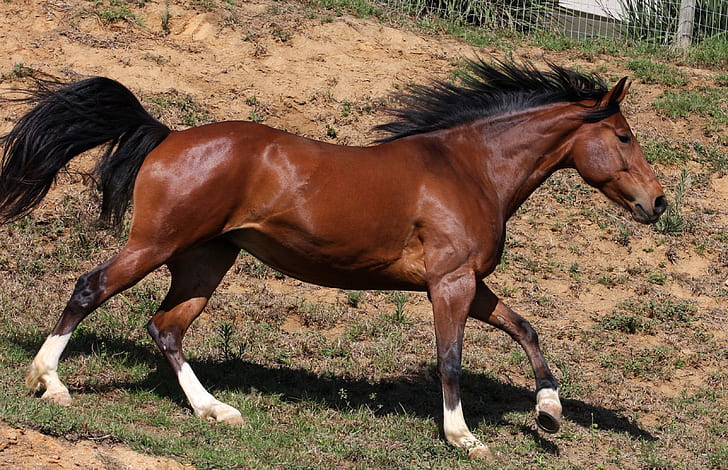

(Close-ups and examples of strong hooves regardless of color.)
4. Bucking Means the Horse Is “Bad” or Naughty
Myth: Bucking is deliberate misbehavior or rebellion. Fact: Bucking is a natural equine response to discomfort (ill-fitting tack, pain, girth issues), fear, excess energy, excitement, or frustration—not spite. It’s communication. Address underlying causes with vet checks, saddle fitting, or training rather than punishment.



(Energetic horses in motion—bucking often signals play or release.)
5. Horses Can’t Vomit, So Colic Is Always Deadly
Myth: Horses never vomit because their anatomy prevents it, making all colic fatal. Fact: True—they have a strong cardiac sphincter preventing regurgitation, which makes colic serious (gas/buildup can’t escape upward). But not all colic is fatal; many cases (gas, mild impactions) resolve with treatment. Early vet intervention is key—colic is common but often manageable.
6. Grain Is Always Necessary for Energy, or Horses Need “Hot” Feeds to Be Lively
Myth: All horses require grain/concentrates for proper energy; high-protein feeds make them “hot” or hyper. Fact: Forage (hay/pasture) should be the foundation. Grain is supplemental for hard workers, growing youngsters, or those needing extra calories. Excess concentrates risk obesity, ulcers, or laminitis. Protein doesn’t cause “hot” behavior—sugars/starches are more likely culprits.
7. Horses Are Just Like Big Dogs
Myth: Horses bond and behave like oversized dogs. Fact: Horses are prey animals with flight responses, herd hierarchies, and subtle communication—very different from predatory dogs. They value consistency, space, and understanding equine signals over “pack loyalty.”
These myths often persist through tradition, but modern equine science provides clearer answers. Always cross-check with reliable sources like veterinarians, the AAEP, or certified equine nutritionists. Better knowledge means better care—and happier, healthier horses. Got a favorite myth you’ve heard? The equestrian world is full of them!