Tools Used in Fossil Excavation and Research
Fossil excavation and research involve a blend of fieldwork, laboratory preparation, and careful analysis to uncover and study ancient life forms preserved in rock. Paleontologists use a variety of tools tailored to different stages of the process, from initial discovery in remote sites to detailed cleaning in controlled environments. These tools have evolved over time, incorporating both traditional hand instruments and modern pneumatic devices to handle delicate specimens without damage.
Field Tools for Excavation
In the field, where fossils are first located and extracted, tools focus on breaking through rock layers (matrix) while minimizing harm to the embedded bones or impressions. Common field tools include:
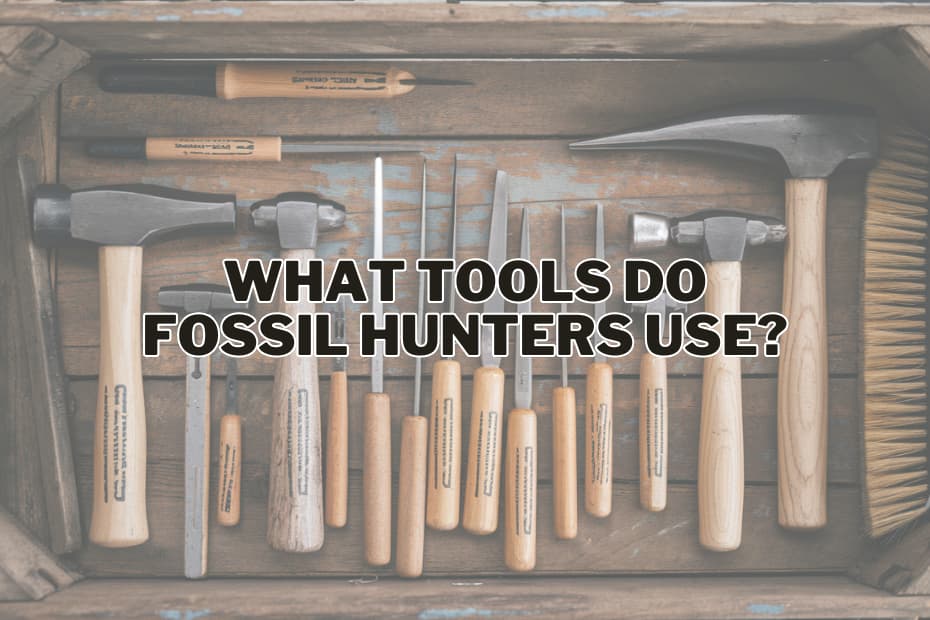
- Rock Hammers and Picks: Essential for splitting rocks and prospecting potential sites. Geologist’s picks come in modern and traditional styles, with a pointed end for prying and a flat head for striking. Masonry chisels are often recommended for safety and effectiveness in fieldwork.
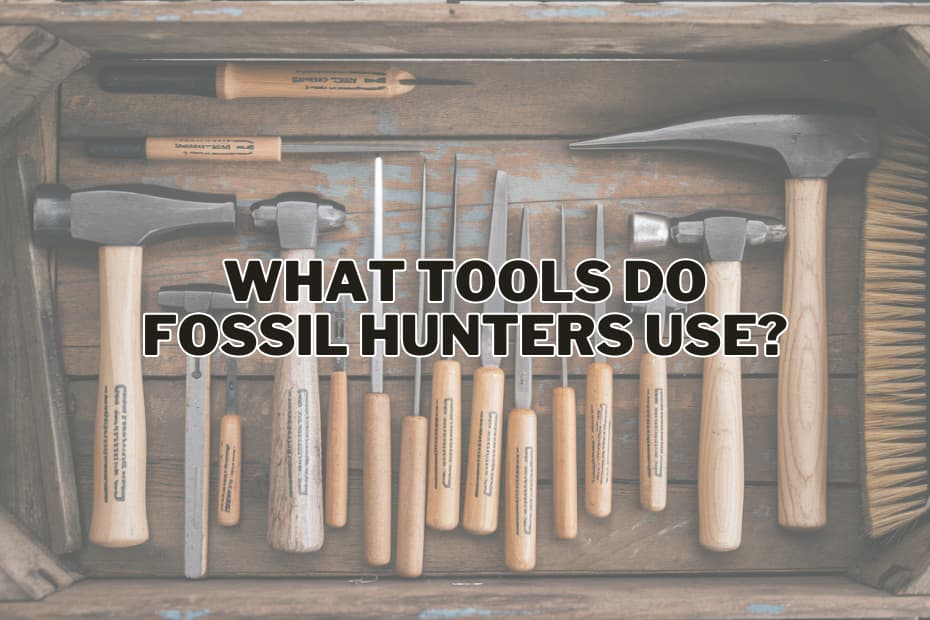
- Chisels and Probes: Various sizes of chisels, from large ones for initial quarrying to finer dental picks for precise removal of matrix around fossils. Probes help in tapping away small amounts of rock.
- Brushes and Trowels: Soft brushes sweep away dust and debris, while trowels or small shovels remove overburden (loose soil and rock above the fossil layer).
- Sledgehammers and Pry Bars: For larger slabs or harder sandstone layers, these heavy-duty tools break through tough material.
- Additional Gear: Walkie-talkies for communication in remote areas, hand lenses (magnifiers) for on-site identification, measuring tapes, compasses, and safety equipment like gloves and glasses.
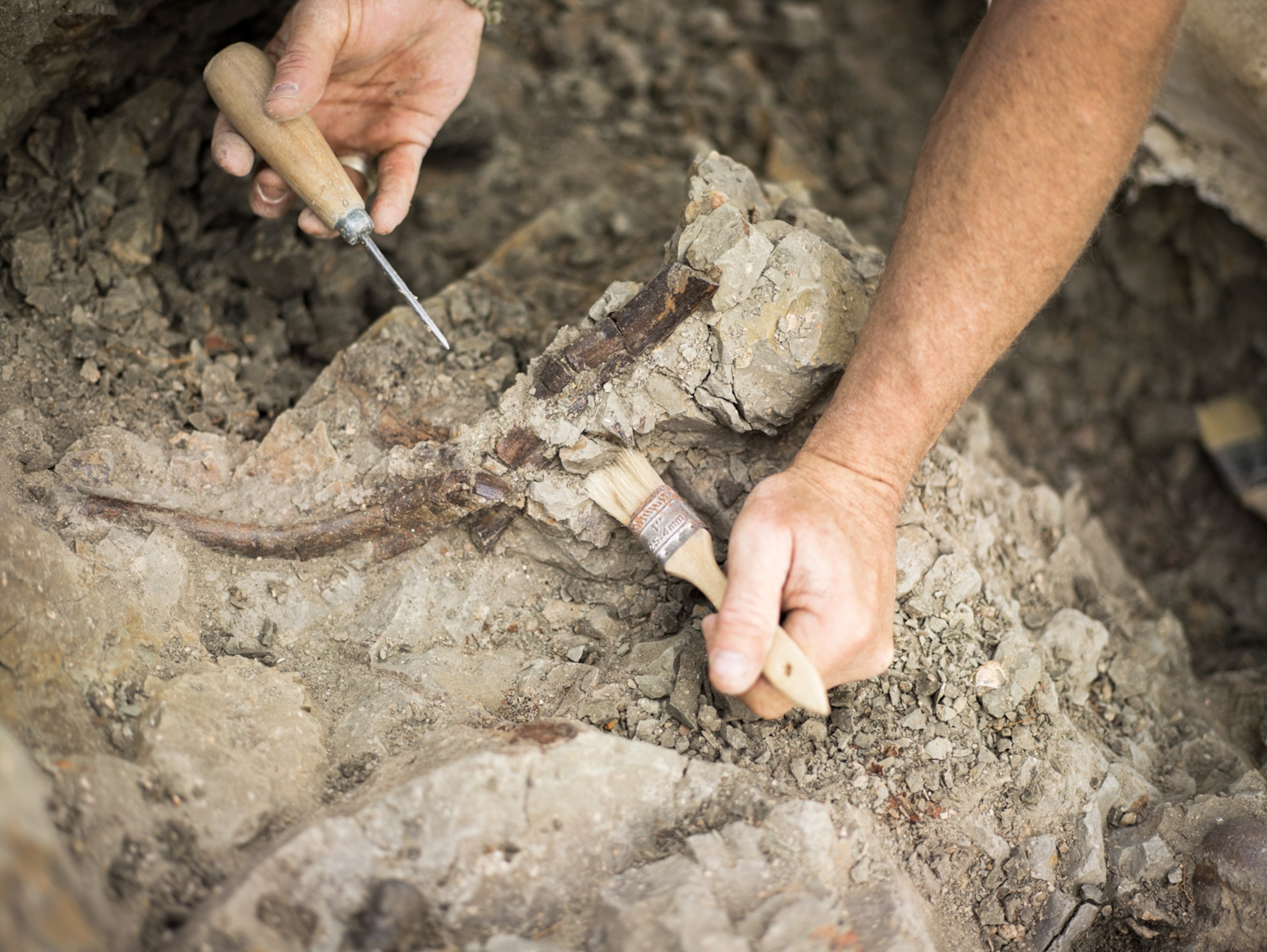
For a visual demonstration of field excavation, check out this video on how to dig for fossils: How to Dig for Fossils
Laboratory Preparation Tools
Once fossils are transported to a lab (often encased in protective plaster jackets), more precise tools are used for cleaning and stabilization. Mechanical preparation is common, emphasizing controlled removal of matrix.
- Air Scribes (Pneumatic Hammers): These compressed-air-powered tools, also called air pens or engravers, vibrate a stylus to chip away rock grain by grain. They range from heavy-duty models for bulk removal to fine ones for delicate work. Introduced in the early 1900s, they revolutionized fossil prep by providing controlled strokes.
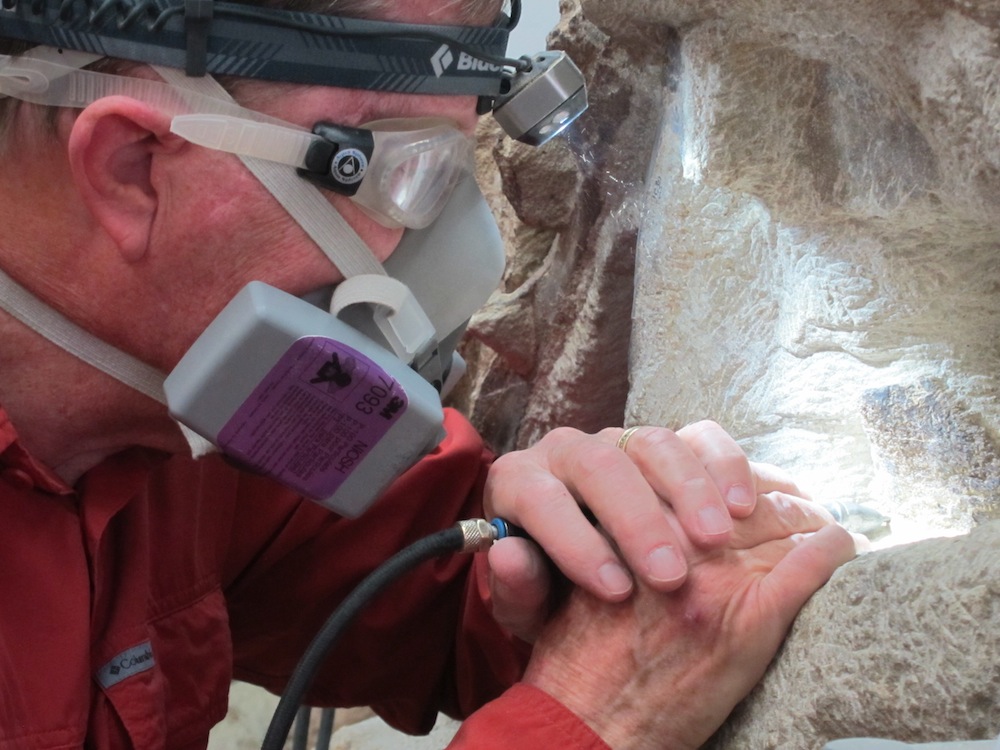
- Air Abrasives: Mini-sandblasters that use abrasive powders to erode matrix without touching the fossil. Ideal for micro-fossils or invertebrate specimens.
- Grinders and Rotary Tools: Electric or pneumatic grinders for sharpening tools or working on resistant matrices like hematite. Dental engines and lathes are used for fine detailing.
- Needles and Pins: Insect pins, awls, and carbide needles for manual scraping in early prep stages.
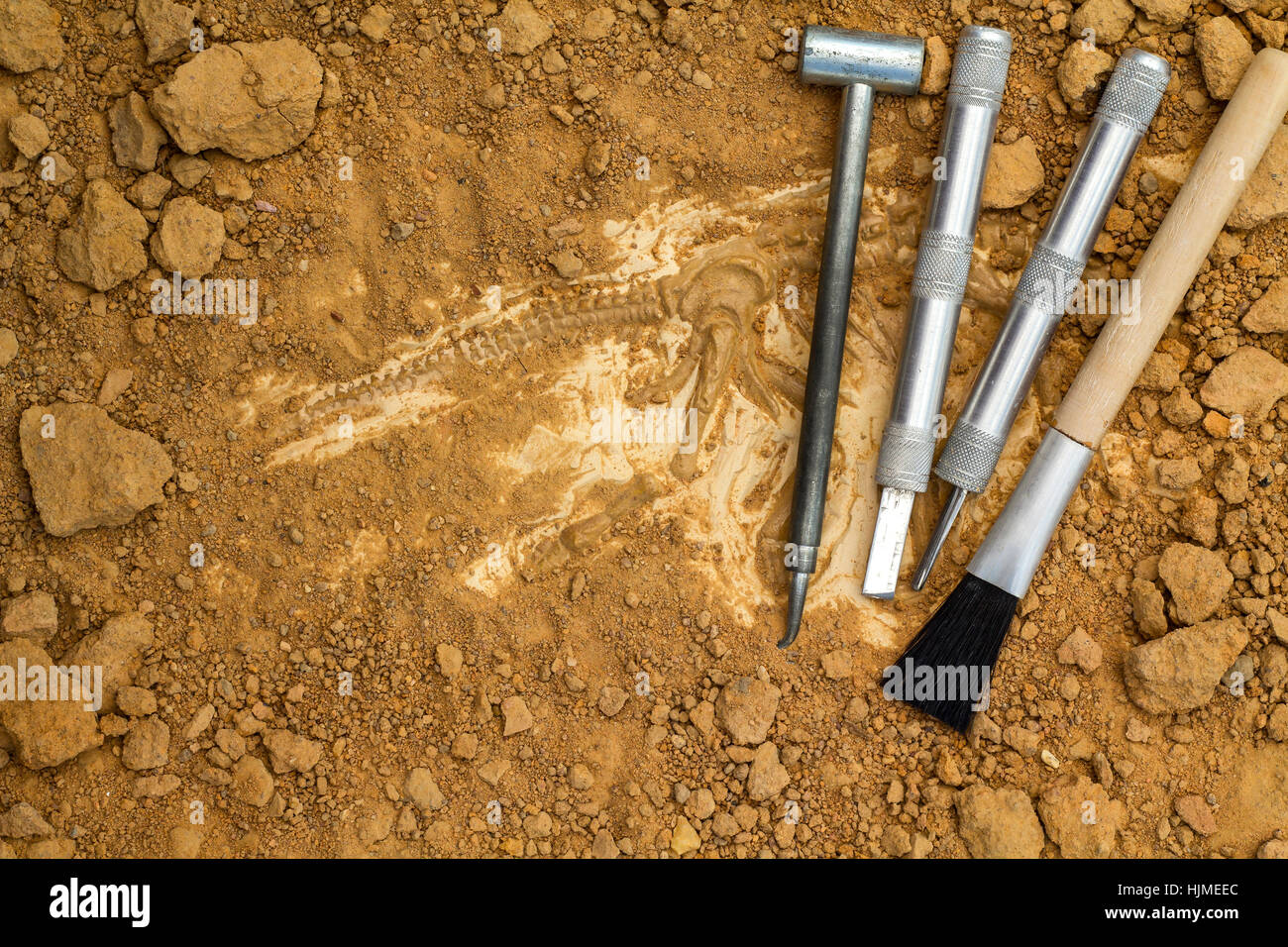
Watch this informative video on paleontologist toolkits, showcasing lab tools in action: Paleontologist Toolkits
Techniques and Considerations
Fossil preparation can be mechanical or chemical, but mechanical methods dominate due to their precision. Tools are chosen based on matrix hardness and fossil fragility— for example, jackhammers for initial quarry work, transitioning to scribes for close-up extraction. Consolidants (stabilizers) and adhesives are applied post-cleaning to preserve specimens.
Safety is paramount: Protective gear like respirators is used with pneumatic tools to avoid dust inhalation.

For more on lab processes, view this video from the American Museum of Natural History: Adam Savage Gets Tool Envy at AMNH’s Fossil Lab
Starter Kits and Resources
Beginners can start with basic kits including a rock hammer, chisels, brushes, and a backpack for transport. Advanced users might invest in brands like ZOIC PalaeoTech for specialized pneumatic tools.

Explore this PBS video on paleontologists at work for real-world excavation insights: Paleontologists at Work