Ultimate Guide to Japanese Sushi Varieties: A Comprehensive Tutorial
Introduction to Japanese Sushi
Sushi, a cornerstone of Japanese cuisine, is far more than just raw fish on rice—it’s an art form that balances flavors, textures, and presentation. Originating from ancient preservation techniques in Southeast Asia and evolving in Japan during the Edo period (1603–1868), sushi emphasizes fresh ingredients, precise preparation, and minimalism. At its core, most sushi features shari (vinegared sushi rice) paired with neta (toppings or fillings), often including seafood, vegetables, or other elements. Seaweed (nori), soy sauce (shōyu), wasabi, and pickled ginger (gari) are common accompaniments to cleanse the palate.
This tutorial draws from traditional classifications to explore the major varieties of Japanese sushi. We’ll break down each type step by step, including key components, preparation methods, variations, and serving tips. Whether you’re a home cook experimenting in your kitchen or a sushi enthusiast seeking deeper knowledge, this guide provides professional-level details to help you appreciate and recreate these dishes. Note: Always prioritize food safety by using sushi-grade fish from reputable sources and proper handling techniques to avoid health risks.

1. Nigirizushi: Hand-Pressed Sushi
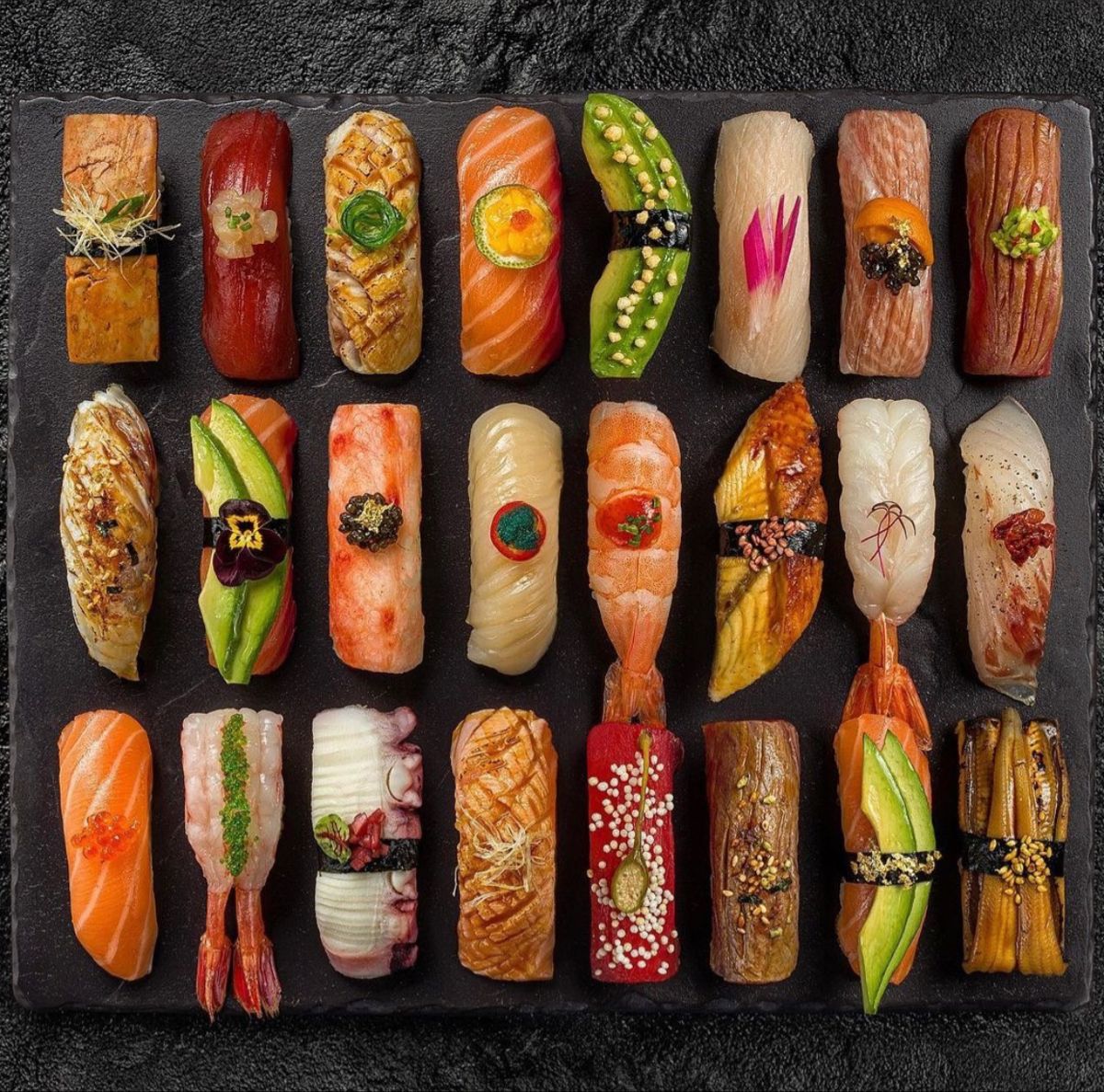
Nigirizushi, often simply called “nigiri,” is the most iconic sushi style, where a small mound of shari is hand-pressed and topped with a slice of fresh fish or seafood. The name derives from “nigiru,” meaning “to grasp” or “to squeeze,” reflecting the gentle pressing technique used to form the rice.
- Key Components:
- Shari (Sushi Rice): The base, made from short-grain Japanese rice seasoned with rice vinegar, sugar, and salt. It should be slightly warm and sticky but not mushy.
- Tane (Topping): Typically a thin slice of raw or lightly seared fish/seafood, draped over the rice. A small dab of wasabi is often placed between the rice and topping for subtle heat.
- Common Variations:
- Akami (Red Fish): Lean tuna, offering a firm texture and mild flavor.
- Shiromi (White Fish): Such as snapper or flounder, prized for its delicate, sweet taste.
- Hikarimono (Silver-Skinned): Shiny fish like mackerel or sardine, often marinated in vinegar to enhance shine and reduce fishiness.
- Ebi (Prawn): Cooked shrimp, butterflied and placed flat.
- Other Examples: Salmon, yellowtail, or eel (unagi), sometimes grilled with a sweet soy glaze.
- Preparation Tutorial:
- Cook 1 cup of sushi rice according to package instructions, then season with a mixture of 2 tbsp rice vinegar, 1 tbsp sugar, and 1 tsp salt while fanning to cool.
- Wet your hands with vinegared water to prevent sticking.
- Form an oblong rice ball (about 20g) by gently squeezing in one hand.
- Apply a thin layer of wasabi on the topping if desired, then press it onto the rice.
- Serve immediately at room temperature for optimal flavor.
- Serving Tips: Arrange on a platter with soy sauce for dipping. Eat in one bite to experience the harmony of rice and topping. Pairs well with green tea.
2. Makizushi: Rolled Sushi
Makizushi, or “maki,” involves rolling ingredients in nori with shari using a bamboo mat (makisu). This style is versatile and beginner-friendly, allowing for creative fillings.
- Key Components:
- Gu (Filling): Vegetables (e.g., cucumber, avocado), fish, or proteins rolled inside.
- Nori: Dried seaweed sheet that wraps the roll, providing a crisp texture and umami.
- Shari: Spread thinly on the nori.
- Common Variations:
- Hosomaki (Small, One Filling): Thin rolls like kappa maki (cucumber) or tekka maki (tuna).
- Ehomaki (Whole Roll): Larger, uncut rolls eaten during Setsubun festival for good luck.
- Futomaki (Large, More Fillings): Thick rolls with multiple ingredients like shiitake mushrooms, egg, and spinach.
- Temaki (Conical Shape): Hand-rolled cones, ideal for parties; fill with salmon, crab, or veggies.
- Preparation Tutorial:
- Place a nori sheet shiny-side down on a bamboo mat.
- Spread a thin layer of shari (about 100g) over ¾ of the nori, leaving a border.
- Add fillings in a line across the center (e.g., cucumber strips, tuna, avocado).
- Roll tightly using the mat, applying even pressure to form a cylinder.
- Slice into 6-8 pieces with a wet, sharp knife.
- For uramaki (inside-out rolls), reverse the nori and rice layers, then coat with sesame seeds or roe.
- Serving Tips: Cut rolls at an angle for presentation. Dip in soy sauce lightly to avoid sogginess. Great for bento boxes or appetizers.
3. Gunkanmaki: Oval-Shaped Sushi Wrapped with Nori
Gunkanmaki, meaning “battleship roll,” features an oval shari base wrapped with nori to hold loose toppings, resembling a ship’s hull.
- Key Components:
- Shari and Nori: The base and wrap.
- Tane (Topping): Loose or soft items that can’t sit on nigiri.
- Common Variations:
- Ikura (Salmon Roe): Briny, popping spheres.
- Tobiko (Flying Fish Roe): Crunchy, colorful roe.
- Kazunoko (Salted Herring Roe): Firm and crunchy.
- Uni (Sea Urchin): Creamy, oceanic custard-like gonads.
- Preparation Tutorial:
- Form an oval shari mound similar to nigiri.
- Wrap a strip of nori around it, sealing with a rice grain.
- Spoon topping (e.g., 1 tsp ikura) into the “cup.”
- Avoid overfilling to prevent spillage.
- Serving Tips: Consume quickly as nori softens. Enhances with a touch of soy sauce on top.
4. Chirashizushi: Scattered Sushi
Chirashizushi is a bowl of shari topped with scattered ingredients, offering a casual, customizable alternative to formed sushi.
- Key Components:
- Shari: The rice base.
- Sashimi: Raw fish slices, plus vegetables, eggs, and garnishes.
- Common Variations:
- Tokyo Style: Sashimi placed neatly on top of rice.
- Kansai Style: Raw or cooked ingredients mixed into the rice, often with lotus roots or shiitake.
- Preparation Tutorial:
- Prepare shari in a large bowl.
- For Tokyo style: Arrange sliced sashimi (e.g., tuna, salmon) artistically on top.
- For Kansai: Mix chopped ingredients (e.g., shrimp, omelet strips) into the rice.
- Garnish with nori strips, sesame, or pickled veggies.
- Serving Tips: Serve in individual bowls as a main dish. Ideal for using leftovers.
5. Oshizushi: Rectangular Shaped Sushi
Oshizushi, or “pressed sushi,” uses a wooden mold (oshibako) to create layered, rectangular bars—also known as “box sushi.”
- Key Components:
- Tane: Pressed fish like mackerel or eel.
- Shari: Layered and compressed.
- Common Variations:
- Iwakunizushi: Lotus roots, shiitake, fried eggs, seafood, and rice.
- Battera: Asparagus leaves, fish, and rice.
- Preparation Tutorial:
- Line the mold with plastic wrap.
- Layer toppings, then shari, pressing firmly with the lid.
- Unmold and slice into rectangles.
- Serving Tips: Cut into bite-sized pieces; travels well for picnics.
6. Inarizushi: Pouch of Fried Tofu Filled with Sushi Rice
Inarizushi features sweet, fried tofu pockets (inari age) stuffed with shari, named after the fox god Inari.
- Key Components:
- Inari Age: Deep-fried tofu simmered in soy, sugar, and mirin.
- Shari: Plain or mixed with sesame/seeds.
- Preparation Tutorial:
- Blanch tofu pockets in hot water to remove oil.
- Simmer in dashi, soy, sugar broth for 10 minutes.
- Stuff with shari, folding the open end.
- Serving Tips: Serve with gari, wasabi, and shōyu. Vegetarian-friendly.
Final Tips for Mastering Sushi at Home
- Ingredients Sourcing: Use fresh, high-quality items; consult local fishmongers for sushi-grade options.
- Tools Needed: Bamboo mat, sharp knife, rice cooker, wooden paddle.
- Etiquette and Pairings: Eat with chopsticks or hands; alternate with gari. Pair with sake or miso soup.
- Common Mistakes to Avoid: Over-seasoning rice, using warm fish, or rolling too loosely.
This guide equips you to explore sushi’s diversity. Experiment, respect traditions, and enjoy the process! For advanced techniques, consider online videos or classes from certified sushi chefs.