Fixing Drawings How to Fix a Bad Drawing Instead of Restarting
We’ve all been there: hours into a drawing, and suddenly it feels “ruined”—proportions off, values wonky, anatomy weird, or a big mistake glaring back at you. The urge to scrap it and start fresh is strong, but most “bad” drawings can be salvaged with smart fixes. Learning to rescue work builds resilience, sharpens problem-solving, and often leads to better final pieces than if you’d restarted.
Here are proven techniques to turn a failing drawing around—whether digital or traditional.
1. Step Back & Diagnose – Fresh Eyes First
Put the piece away for 10–30 minutes (or flip it upside down, mirror it, or take a photo). Fresh perspective reveals issues like wonky proportions or unbalanced composition that you missed up close.
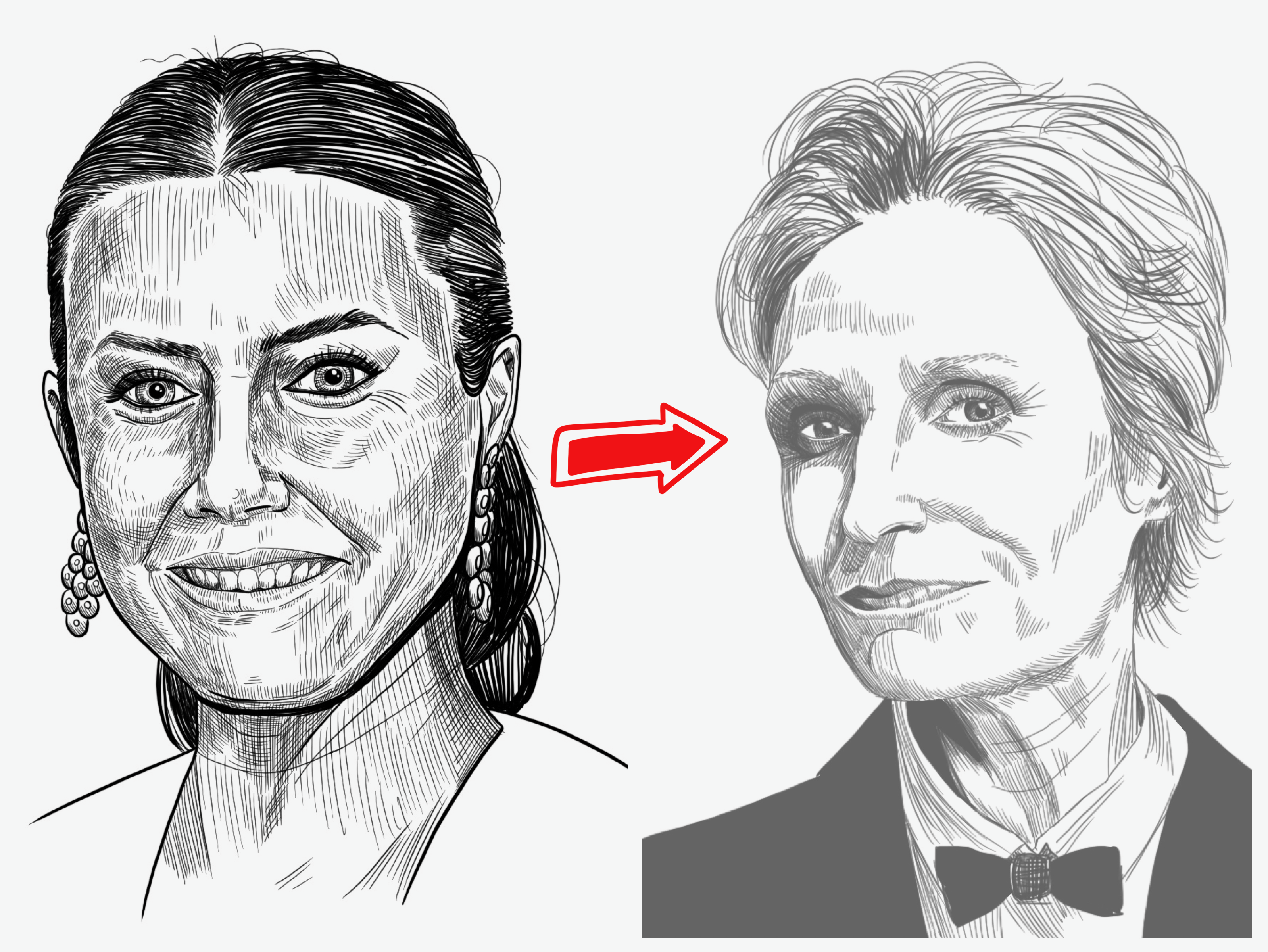

This simple trick often shows the fix is smaller than you think.
2. Fix Proportions & Structure – Use Grids, Measuring, or Tracing
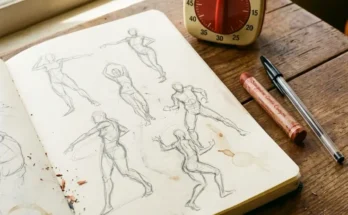
For anatomy/pose issues: overlay a grid, use the “head unit” method, or trace key lines on a new layer (digital) or tracing paper (traditional). Redraw problem areas lightly over the original.

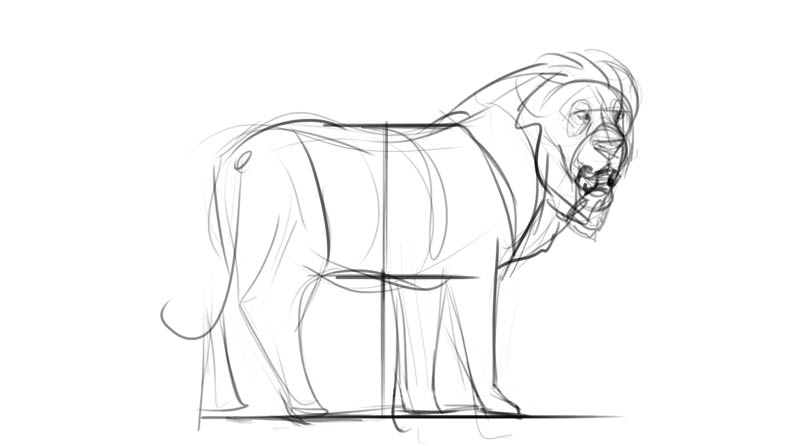
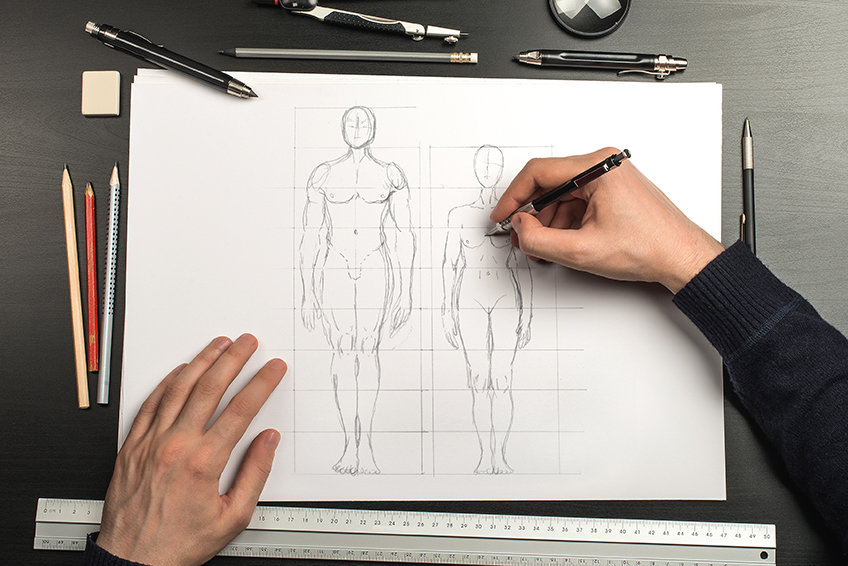
Adjust one section at a time—fix the torso length, then limbs follow.
3. Erase & Redraw Selectively – Don’t Nuke Everything
Use kneaded erasers for soft lifts, precision erasers for details. In digital: mask/erase on new layers or use undo history. Redraw over faint remnants for better flow.


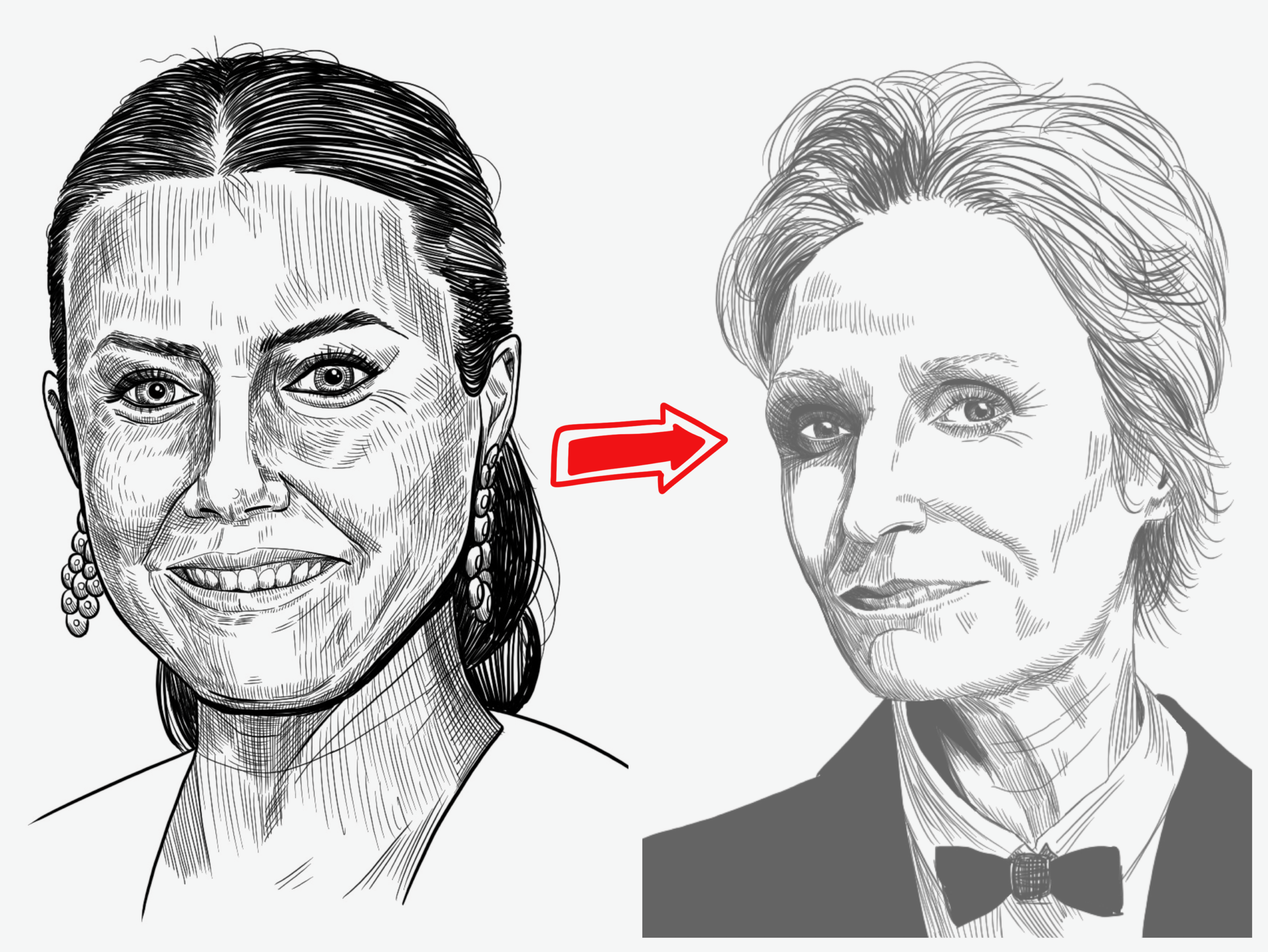
Before/after examples show how targeted fixes transform the piece.
4. Adjust Values & Contrast – Make It Pop
Many “bad” drawings suffer from flat values. Push darks darker, lights lighter, add rim lighting or core shadows. Digital: use levels/curves adjustment layers; traditional: layer hatching or glazing.

This often rescues pieces that feel “off” without major redrawing.
5. Embrace & Incorporate Mistakes – Turn Errors into Features
Cover a bad area with new elements (e.g., add fabric, shadows, background objects). Or go abstract/experimental—turn a wonky face into stylized expression.
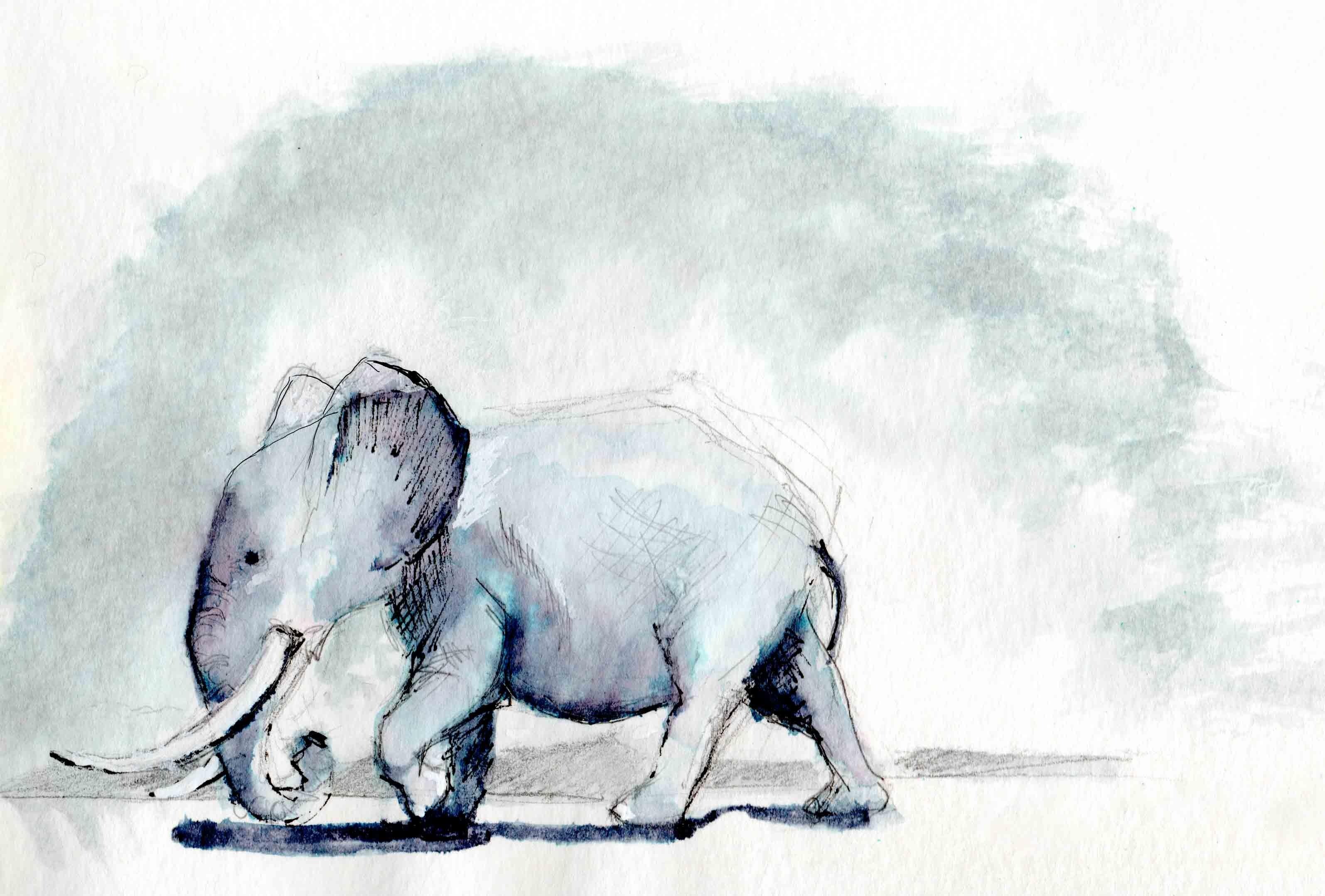
Some of the coolest art comes from happy accidents.
6. For Ink/Pen: Cover & Correct
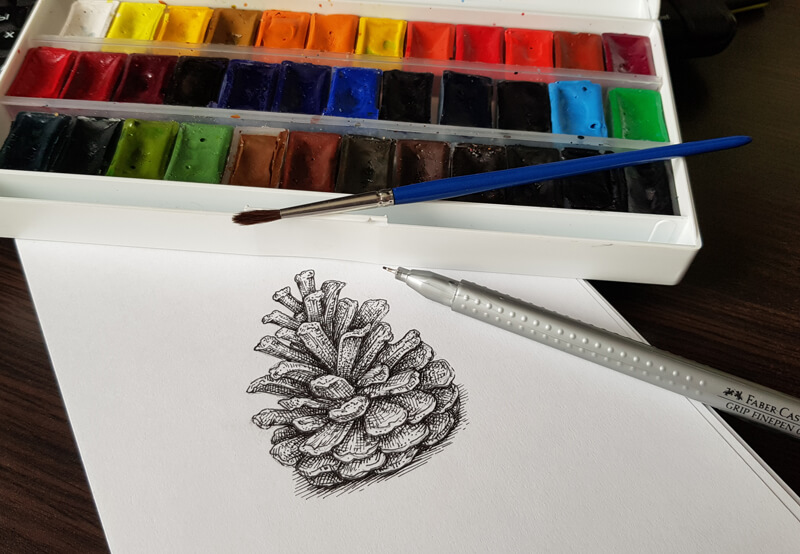
Use white gel pens, opaque white ink, or gouache to paint over mistakes, then redraw.
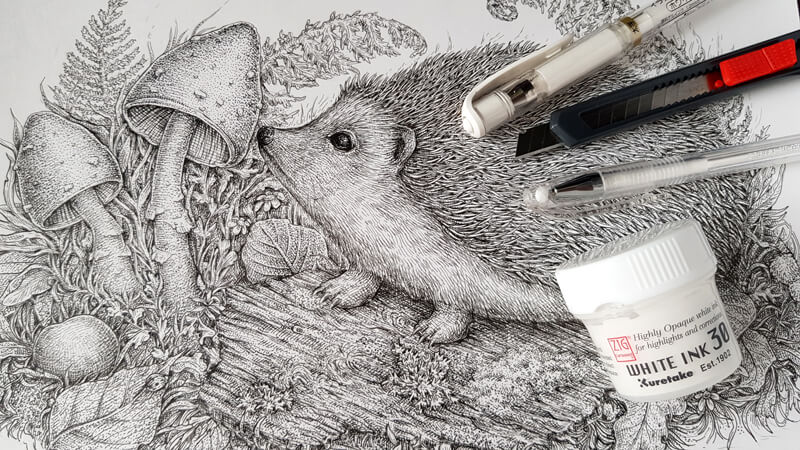
It adds texture and character.
Video Recommendations – Watch real salvages in action:
- “3 CREATIVE WAYS TO FIX A DRAWING (when you think it is ruined!)” → https://www.youtube.com/watch?v=7oBC3-ud4aE (practical creative fixes)
- “How I FIXED my RUINED drawing and what went wrong” → https://www.youtube.com/watch?v=5Dso7a6Xz_g (pastel example, great analysis)
- “These Easy Tips SAVED my RUINED Drawing!” → https://www.youtube.com/watch?v=N9f0En9-sfs (quick, beginner-friendly rescues)
- “HOW TO FIX YOUR BAD ART” → https://www.youtube.com/watch?v=EhSbtuY1Ps4 (step-by-step on an old drawing)
- “How I Fix Common Drawing Mistakes” → https://www.youtube.com/watch?v=OfSdmGRXUZM (realistic fixes without full erase)
Next time frustration hits, pause and try one fix—you’ll save time, materials, and build mad skills. What’s the biggest issue you’re dealing with in your current drawing? Share if you want specific advice! ✏️🔄