Art References How to Use References the Right Way
Using references is one of the smartest, fastest ways to level up your art—it’s not cheating; it’s how almost every professional artist works. The key difference between beginners who improve slowly and those who skyrocket? How they use references. Done right, references train your eye, build visual library, and help you create original, believable work. Done wrong (like blind copying), your art stays stiff or derivative.
Here are the best practices to use references effectively and ethically—turning them into fuel for your unique style.
1. References Are Tools, Not Blueprints – Study, Don’t Copy
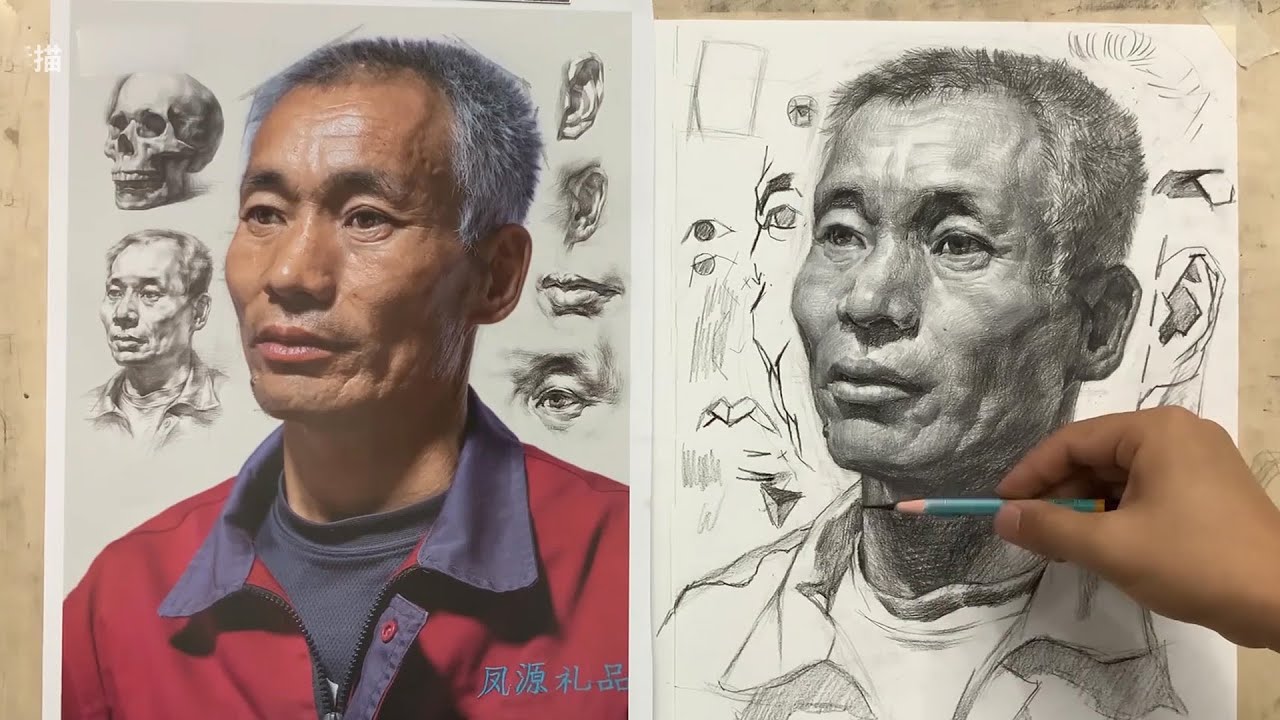
The biggest mistake: tracing or copying line-for-line without understanding. Instead, analyze the reference: break down shapes, proportions, lighting, values, edges, and why it works. Then interpret it in your own way.

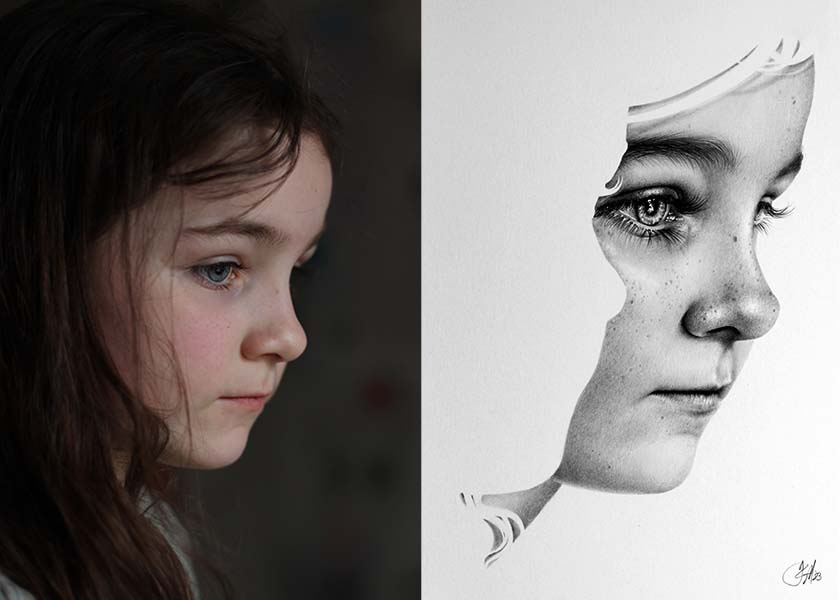

See the transformation? No ref → brief glance → full study. The right side feels alive because it’s interpreted, not duplicated.
2. Use Multiple References (Mood Boards & Combinations)
Never rely on one photo—that leads to stiff, literal copies. Gather 5–10 images for pose, lighting, clothing, colors, etc., and combine them.
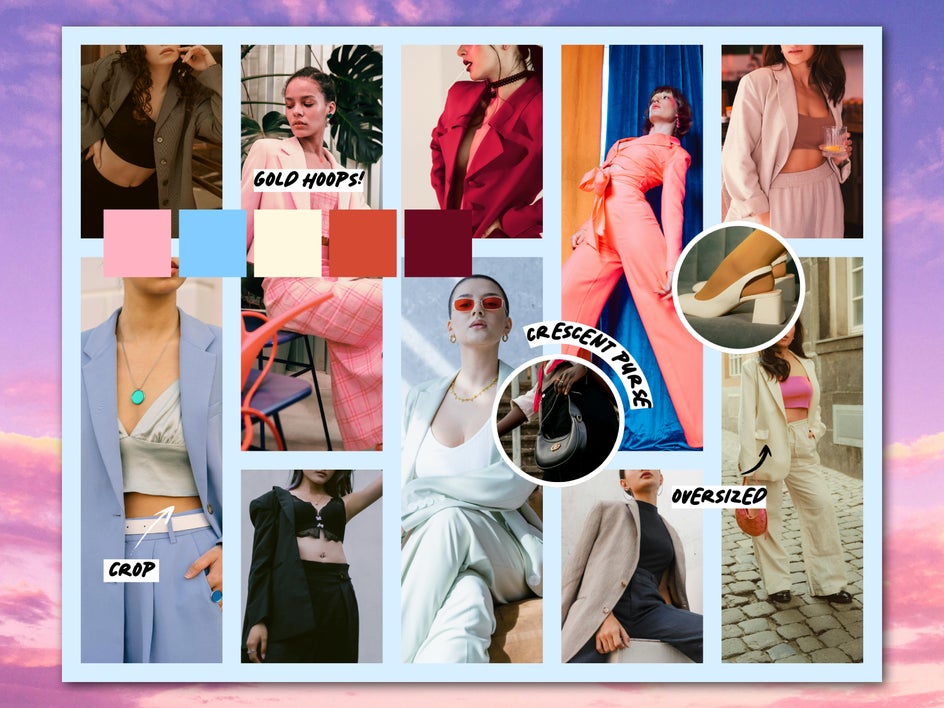
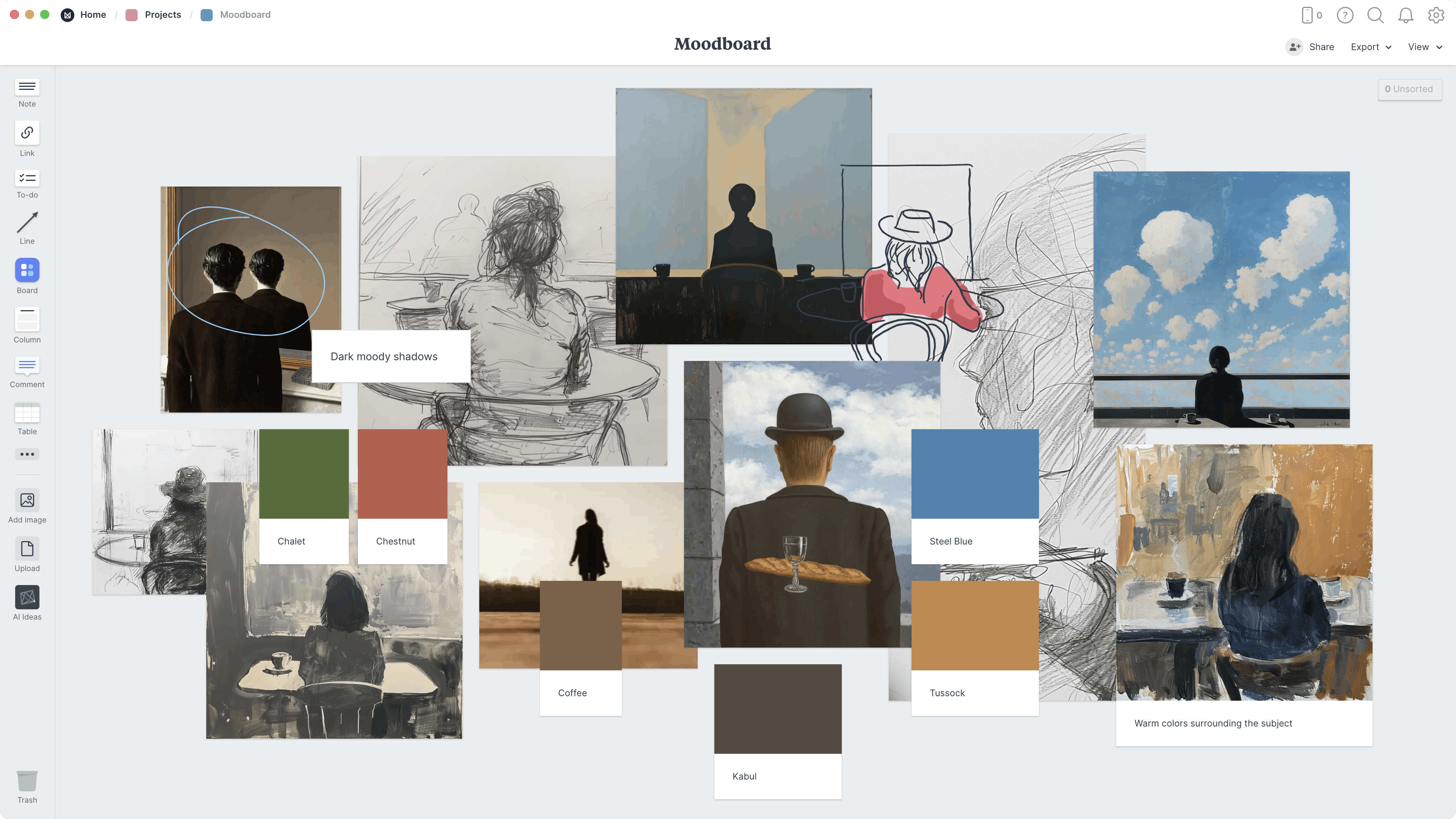

Mood boards help you steal “ingredients” (angles, vibes, details) without stealing the whole “recipe.” Tools like Pinterest, Milanote, or PureRef are perfect for this.
3. Grid Method for Accuracy (Especially Portraits & Complex Scenes)
For precise proportions (great for beginners), overlay a grid on your reference and canvas. It trains observation without tracing.

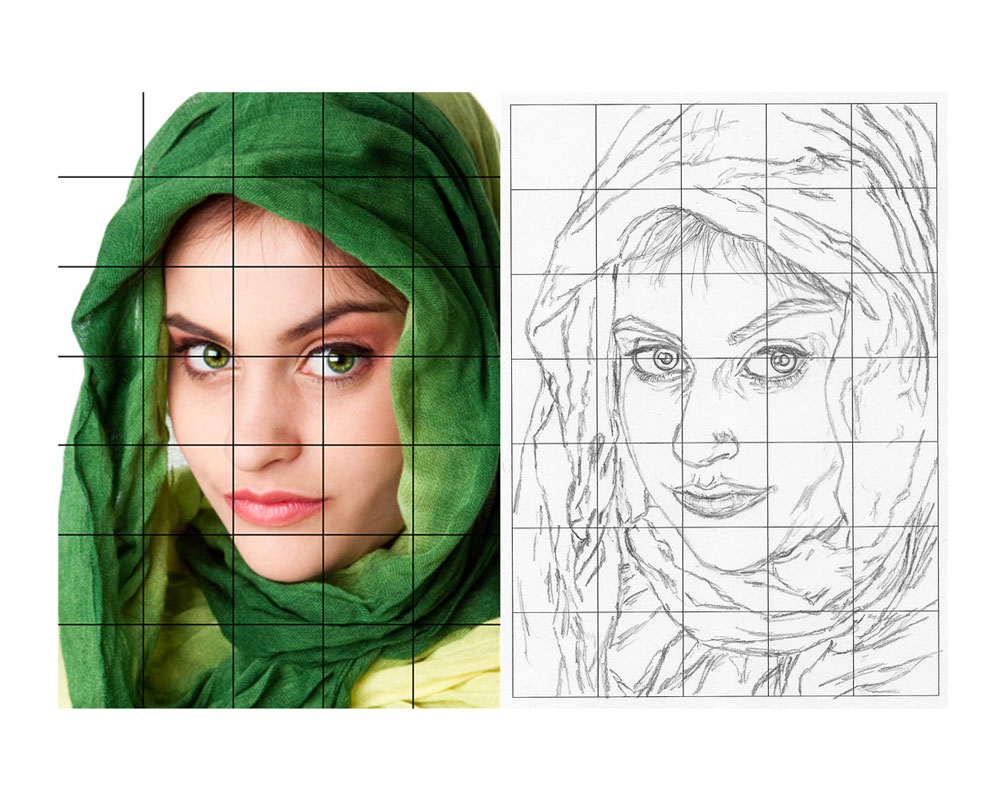
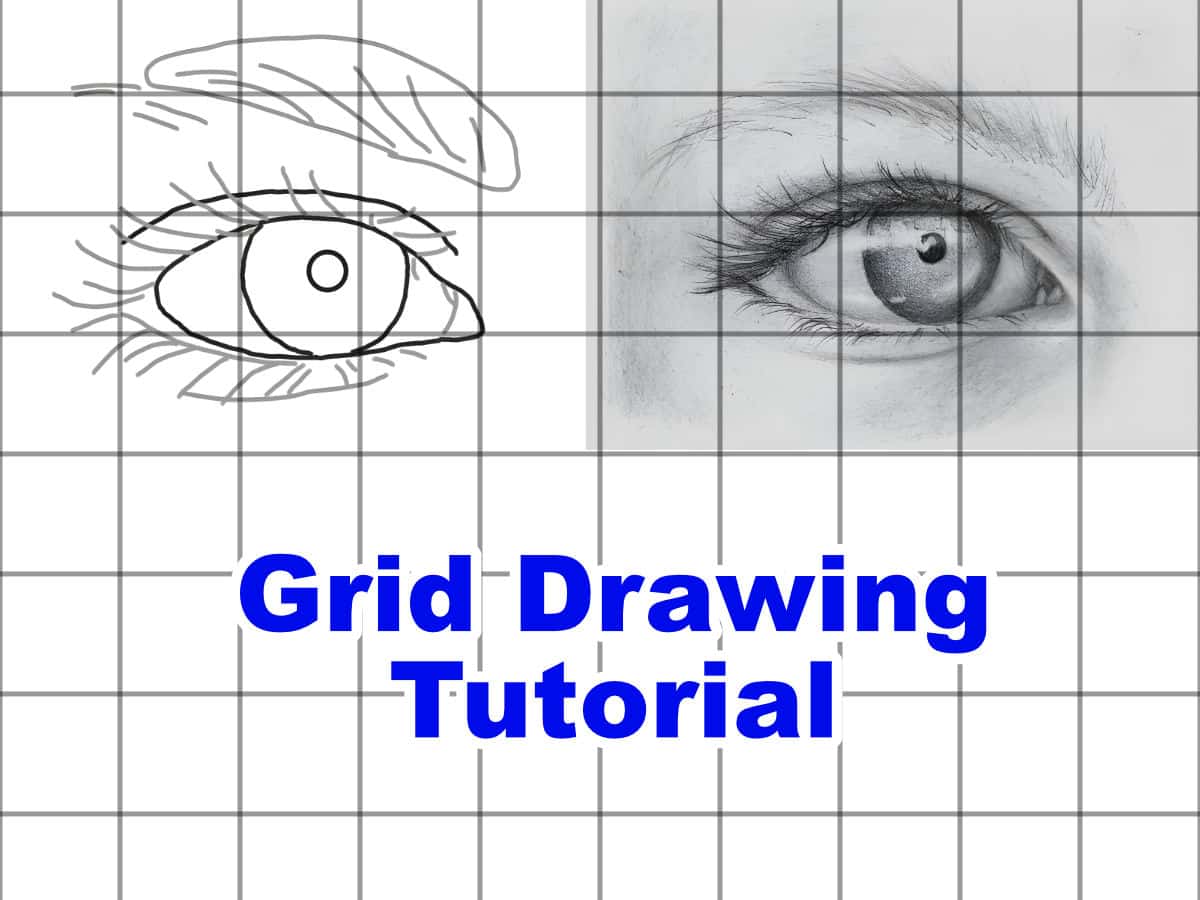
Start loose, then refine—it’s a stepping stone to freehand mastery.
4. Flip, Simplify, & Abstract – Avoid Literal Copies
To make it original:
- Flip the reference horizontally/vertically
- Squint to see big shapes/values only
- Simplify details first
- Change angles, lighting, or combine with your imagination
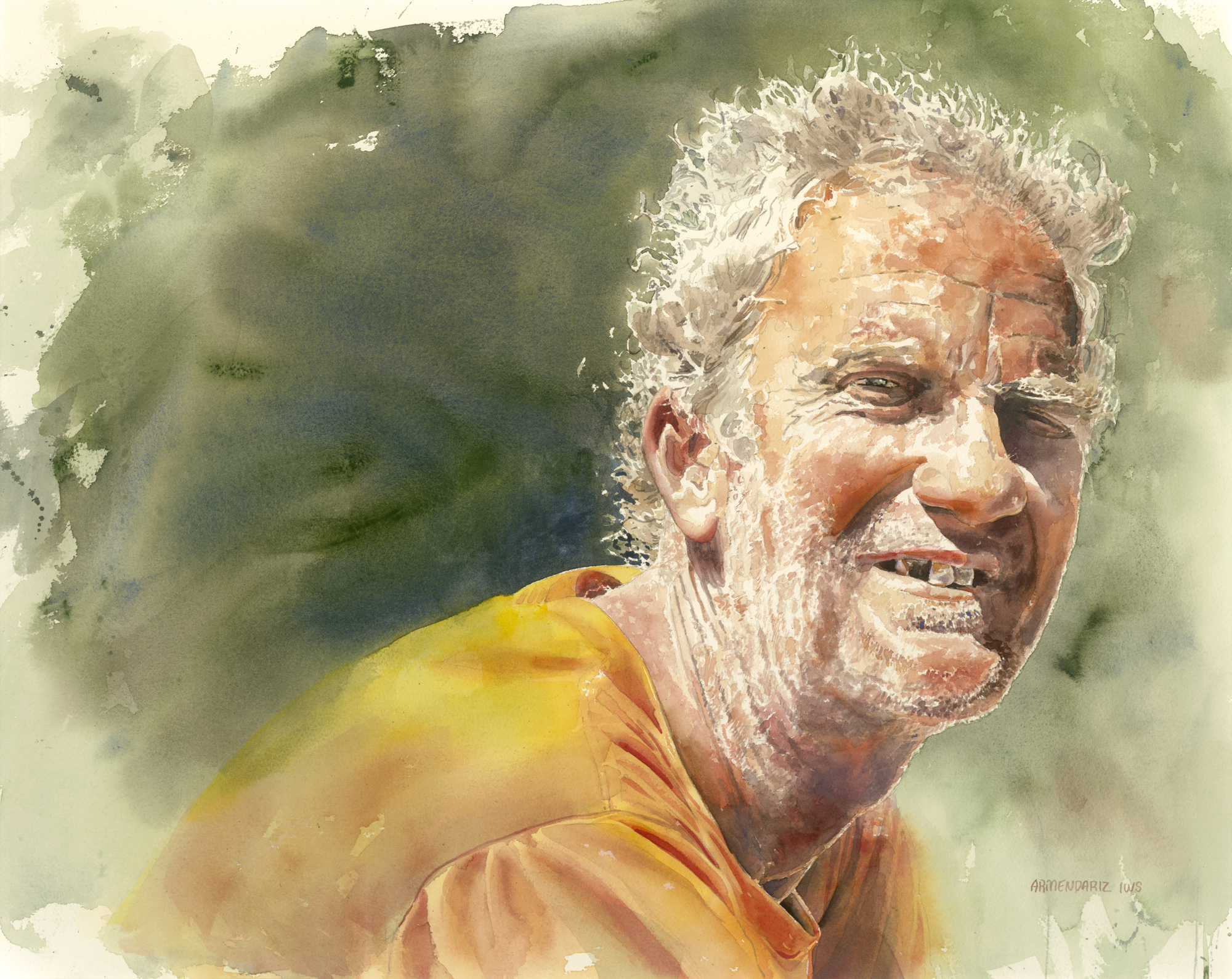


This keeps your work fresh and yours.
5. Before & After – See the Power of Smart Referencing
Progress shots show massive jumps when you use refs thoughtfully vs. guessing.


Consistent, smart reference use builds intuition over time.
Video Recommendations – Watch these for demos and mindset shifts:
- “Steal like an artist – how to use references the right way” → https://www.youtube.com/watch?v=4rN_Yg81tPY (great on combining sources ethically)
- “[TUTORIAL] How to CORRECTLY Reference Art!” → https://www.youtube.com/watch?v=OUTISe3j6Ac (practical tips to avoid copying)
- “The Right Way to Use References” → https://www.youtube.com/watch?v=h-Xrv4N_Bj4 (theory + real workflow)
- “How to Draw from Reference PROPERLY like RossDraws” → https://www.youtube.com/watch?v=OBwOmW8g0sE (pro-level mindset)
- “HOW I DRAW FROM REFERENCE- Easy Tutorial” → https://www.youtube.com/watch?v=o2_ajdOd82c (step-by-step process)
Bottom line: References accelerate growth when you study and transform them. Use them every session—your art will thank you. How do you usually use refs? Trying any of these tips next? Share your progress! 📸✏️