Horse Myths Debunked: What’s True and What’s Not
Horses have inspired countless stories, old wives’ tales, and misconceptions over centuries—from ancient folklore to modern barn gossip. Many myths stem from outdated practices, misunderstandings of equine biology, or Hollywood portrayals. Believing them can lead to improper care, safety risks, or missed opportunities to better understand these amazing animals. This guide debunks 10 of the most common horse myths with evidence-based facts from equine experts, veterinarians, and behavior studies.

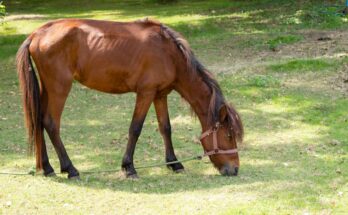
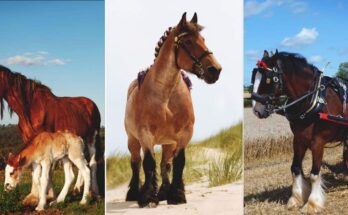
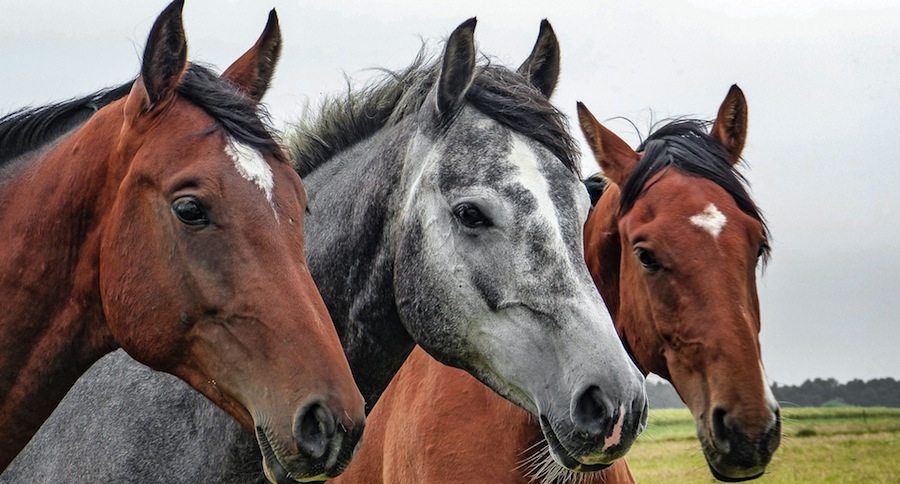
For visual examples of horses in various states (relaxed, alert, or resting), here are some illustrative images:
1. Horses Sleep Standing Up Their Entire Lives
Myth: Horses never lie down and sleep only on their feet. Fact: Horses can doze lightly while standing thanks to a “stay apparatus” (a system of ligaments and tendons that locks their legs), allowing quick escape from predators. However, they require REM (deep) sleep lying down for full rest and health—typically a few hours every few days, often in short bursts when feeling safe in a group.
2. Horses Can’t See Colors (They’re Colorblind)
Myth: Horses see only in black and white. Fact: Horses have dichromatic vision (two color receptors), seeing blues and yellows well but struggling with reds and greens, which may appear as grays or browns. They see more than black and white but less vibrantly than humans—explaining why they might spook at objects that blend oddly to them.
3. Never Let a Hot Horse Drink Cold Water or You’ll Cause Colic
Myth: Giving a sweaty horse cold water right after exercise leads to cramps or colic. Fact: Modern veterinary consensus debunks this. Horses need hydration immediately after work to replace fluids and cool down. Withholding water risks dehydration. Offer cool (not ice-cold) water freely; most horses self-regulate intake without issues.
4. White Feet/Hooves Are Weaker Than Dark Ones
Myth: “One white foot, buy him; four white feet, go without him”—white hooves are soft or prone to problems. Fact: Hoof strength depends on genetics, diet, farrier care, environment, and conformation—not pigment. White hooves aren’t inherently weaker; many top performance horses have white legs and thrive with proper management.
5. Horses Are Like Big Dogs
Myth: Horses think and behave like oversized canines. Fact: Horses are prey animals (herbivores with flight instincts), while dogs are predators. Their communication, social structure, and reactions differ vastly—horses rely on subtle body language, herd hierarchy, and caution, not pack loyalty like dogs.
6. You Can’t Teach an Old Horse New Tricks
Myth: Older horses are too set in their ways to learn. Fact: Horses of any age can learn with patience, positive reinforcement, and clear cues. While younger ones may pick up faster, seniors often benefit from mental stimulation and can adapt well—many continue competing or learning into their 20s.
7. Bucking Means the Horse Is “Bad” or Misbehaving
Myth: Bucking is deliberate rebellion or naughtiness. Fact: Bucking is a natural response to pain, fear, excitement, discomfort (e.g., ill-fitting saddle), or excess energy. It’s communication, not spite—address the root cause (vet check, tack fit, training) rather than punishing the behavior.
8. Horses Must Be Stabled in Bad Weather
Myth: Horses need barns during rain, cold, or storms for protection. Fact: Horses are hardy and adapted to outdoor life with natural shelter (trees, run-ins). They tolerate cold well if fed adequately (forage generates heat). Constant stabling can lead to boredom, respiratory issues, or stiffness—turnout is healthier unless extreme conditions apply.
9. Grain/Concentrates Are Essential for Energy
Myth: All horses need grain for proper nutrition and energy. Fact: Most horses thrive on forage (hay/pasture) as the foundation—grain is supplemental for high-work, growing, or hard-keepers. Overfeeding grain risks colic, ulcers, or obesity; many do fine without it, especially with good forage and minerals.
10. Horses Never Lie Down If They’re in Pain (e.g., Colic)
Myth: A colicking horse should never lie down, or it will twist the gut. Fact: Rolling violently signals severe pain (possibly already twisted gut), but gentle lying down isn’t harmful. Vets often allow or encourage calm recumbency for comfort—focus on quick veterinary intervention instead of forcing the horse up.
These myths persist through tradition, but science and observation reveal the truth. Always consult equine vets, certified trainers, or resources like the American Association of Equine Practitioners (AAEP) for guidance. Understanding facts helps you provide better care, build stronger bonds, and enjoy horses safely. If you’ve heard a wild one lately, share it—debunking keeps the equestrian world accurate!