Art Supplies Explained: What You Really Need
Starting your art journey doesn’t require a huge investment or dozens of fancy tools. The key is quality basics that let you practice consistently without frustration. Focus on drawing and sketching first (the foundation for most art forms), then expand as you discover your preferences. Beginners often overbuy—start minimal, experiment, and upgrade only what you love using.
Here’s a breakdown of what you really need, why each item matters, and beginner-friendly recommendations. These essentials support gesture, anatomy, perspective, and reference-based drawing from previous guides.
1. Sketchbook / Drawing Paper
The surface you draw on is crucial—it affects how your marks look, how well you can erase, and how your work holds up over time.
- Why you need it: A dedicated sketchbook encourages daily practice. Look for acid-free paper to prevent yellowing, medium weight (60–90 lb / 90–150 gsm) for versatility with pencils.
- Beginner pick: 9×12″ or A4 size spiral-bound sketchbook (easy page flipping). Brands like Strathmore, Canson, or even a basic one from an office store work great. Avoid super thin printer paper for heavy shading—it tears easily.
- Tip: Start with cheap paper for warm-ups; save nicer sheets for “finished” sketches.

A cozy sketchbook setup with pencils ready for daily drawing practice.
2. Graphite Pencils
These are your main tool for lines, shading, and building values.
- Why you need them: Different hardness levels (grades) create a full range of tones—from light sketches (hard) to deep shadows (soft).
- The scale explained:
- H (hard): Lighter marks, precise lines (e.g., 2H, HB—great for construction lines).
- B (soft/black): Darker, richer tones (e.g., 2B–6B for shading).
- Start with: HB (standard), 2B, 4B, 6B—a small set covers most needs.
- Beginner pick: Affordable sets like Staedtler Mars Lumograph, Faber-Castell, or Derwent. Avoid super-cheap no-name brands—they break easily.

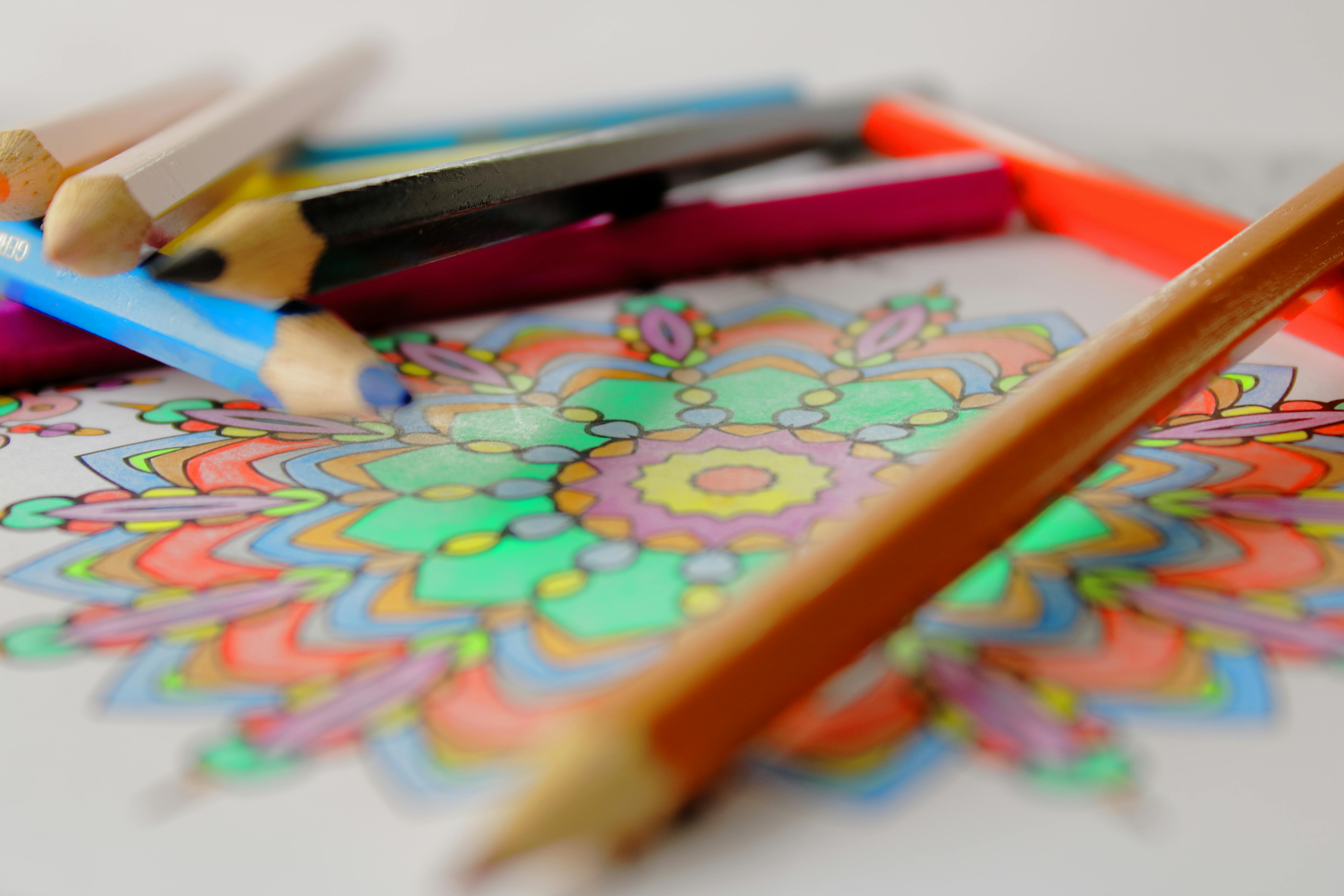
Graphite pencils in various grades showing the range from light to dark marks—essential for value control.
3. Erasers
Erasers aren’t just for mistakes—they’re tools for lifting graphite, creating highlights, and softening edges.
- Types explained:
- Kneaded eraser (putty-like): Moldable, lifts graphite gently without residue—perfect for subtle adjustments and highlights.
- Vinyl / Plastic eraser (white): Clean, precise erasing without damaging paper—great for big corrections.
- Avoid pink “school” erasers—they smear and leave marks.
- Beginner pick: One kneaded (General’s) + one vinyl (Pentel Hi-Polymer or Prismacolor).
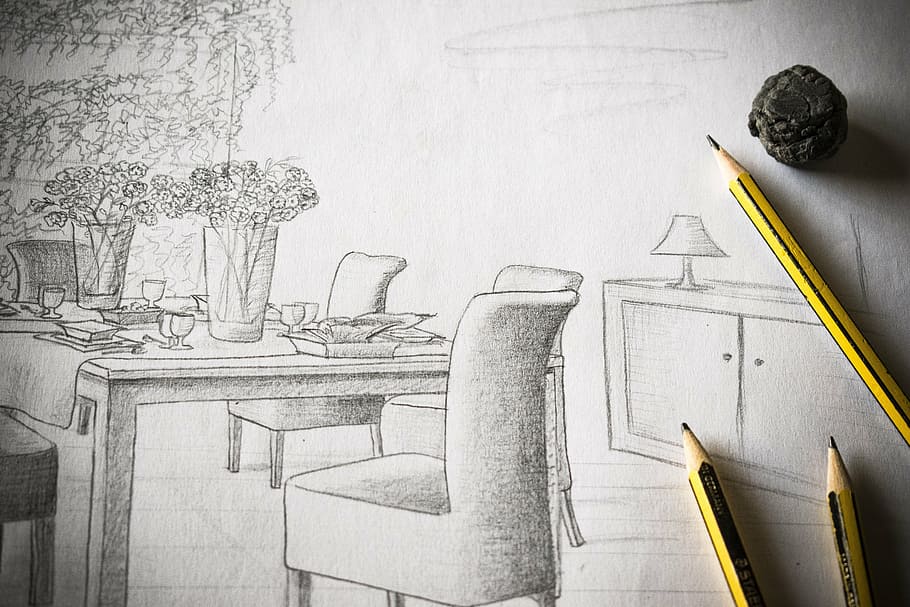
Kneaded and vinyl erasers in action—see how they lift graphite cleanly for highlights and corrections.
4. Pencil Sharpener
A dull pencil ruins precision.
- Why you need it: Keeps points sharp for fine details and clean lines.
- Beginner pick: Manual handheld sharpener (metal blade for longevity) or a simple electric one. A craft knife works too for controlled sharpening.

Sharp pencils ready to go—notice the precise points for detailed work.
5. Optional but Super Helpful Starter Add-Ons
- Blending stumps / tortillons: For smooth shading gradients (paper rolled into points).
- Ruler or straightedge: For perspective lines and clean measurements.
- Pencil case or pouch: Keeps everything organized.
What You DON’T Need Right Away
- Fancy brands (Prismacolor, Caran d’Ache) — great later, but student-grade works fine.
- Tons of colors or specialty tools (inks, markers, paints) — master dry media first.
- Expensive easels or storage — a table and box suffice.
Quick Starter Kit Summary
- Sketchbook (9×12″)
- Graphite pencils (HB, 2B, 4B, 6B)
- Kneaded + vinyl erasers
- Pencil sharpener
Total cost: Often under $20–30 at places like Amazon, Blick, or even Walmart/Target.
Practice daily with these basics—draw from life, references, or imagination. As you progress (gesture, anatomy, perspective), you’ll naturally want to add tools like charcoal, ink pens, or colored pencils. The real “supply” is consistent practice!
For more inspiration, check out beginner supply roundups on YouTube (channels like Proko or The Virtual Instructor) or Reddit’s r/ArtistLounge threads.
Grab these essentials, start simple, and enjoy the process—your art skills will grow faster than your supply collection! ✏️📓