Plant Fossils and Their Importance to Earth’s History

Introduction
Plant fossils, preserved remains of ancient vegetation such as leaves, stems, roots, pollen, seeds, and wood, offer an invaluable window into Earth’s deep past. The field of paleobotany studies these fossils to reconstruct ancient ecosystems, track climate changes, and understand the evolution of plant life. Plants have profoundly shaped our planet by producing oxygen, sequestering carbon, stabilizing soils, and providing the foundation for terrestrial food webs. Their fossils reveal how life colonized land, transformed atmospheres, and influenced major geological events, making them essential for piecing together Earth’s environmental and biological history.
For a visual introduction to plant fossils and paleobotany, watch this educational video: Plant Fossils: A Peek Into Earth’s Past (search for relevant clips from sources like National Park Service or Smithsonian).
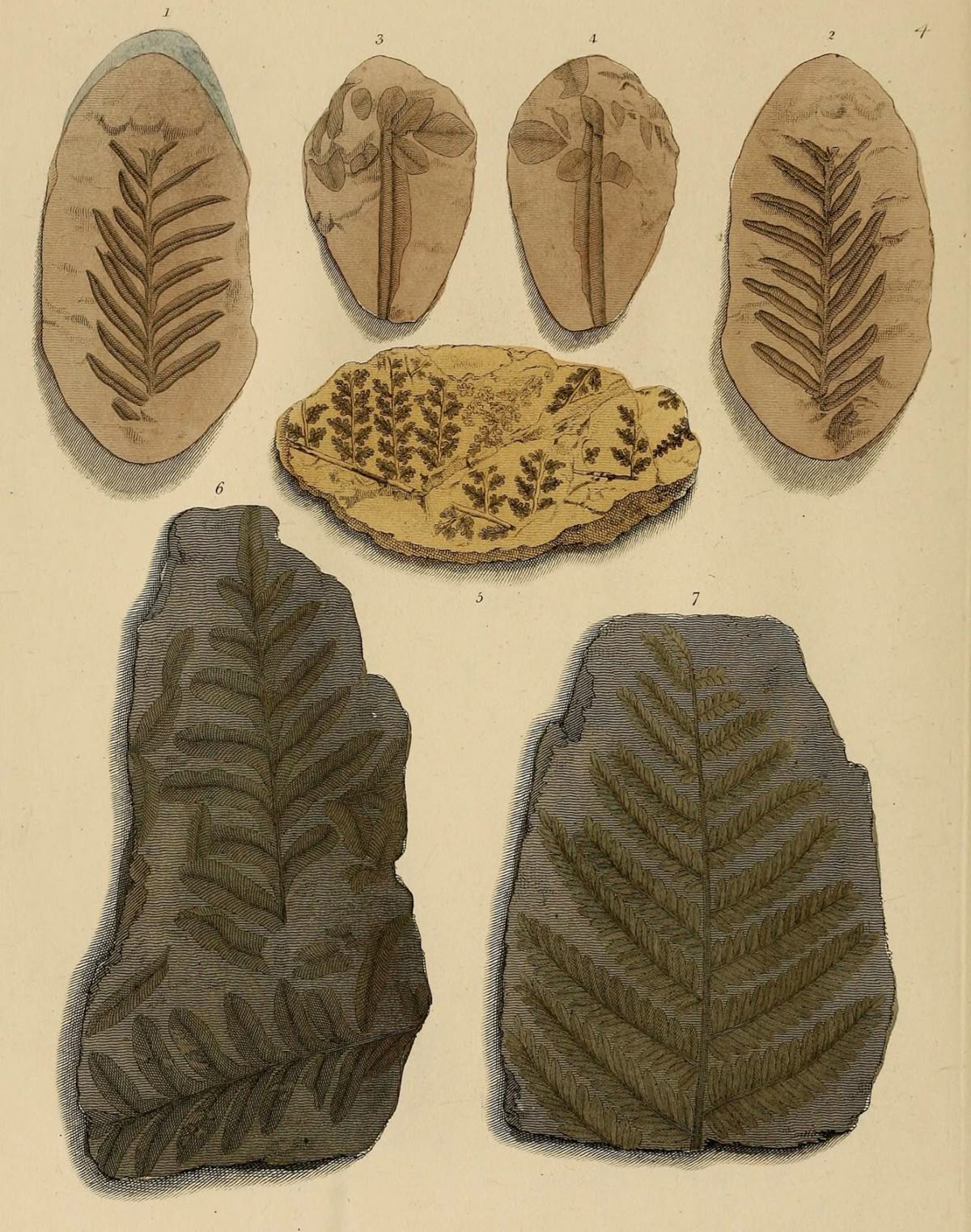
(Example: Fossilized leaf impressions from ancient plants, showing detailed venation patterns preserved over millions of years.)

The Timeline of Plant Evolution Through Fossils
The fossil record documents the gradual colonization of land by plants, starting from simple forms to complex forests and flowering species.
- Earliest Evidence (Ordovician-Silurian, ~485–419 million years ago): The oldest undisputed land plant fossils appear in the Ordovician, with evidence of primitive vascular plants like Cooksonia in the Silurian. These small, leafless, branching stems represent the transition from aquatic algae to terrestrial life.
(Example: Reconstruction or fossil of Cooksonia, one of the earliest known land plants.)
- Devonian Period (~419–358 million years ago): This era saw the rise of forests with trees like Archaeopteris (early seed plants) and ferns. Fossils show the development of leaves, roots, and wood, enabling taller growth and greater carbon sequestration.
- Carboniferous Period (~358–299 million years ago): Known as the “Age of Coal,” massive swamp forests of lycopods, horsetails, and seed ferns dominated. Their burial formed vast coal deposits, and fossils indicate high oxygen levels supporting giant insects.
(Example: Fossilized Lepidodendron tree trunk from Carboniferous coal swamps, with scale-like bark patterns.)
- Permian and Beyond: Glossopteris flora in the Southern Hemisphere provided key evidence for continental drift, as identical fossils appear on now-separated continents like South America, Africa, India, and Antarctica.
- Cretaceous Period (~145–66 million years ago): The sudden rise of angiosperms (flowering plants), which quickly became dominant, is documented by early fossils showing flowers, fruits, and diverse leaves.
To explore the full timeline of plant evolution, view this informative video: Timeline of Plant Evolution.
Key Importance of Plant Fossils
Plant fossils contribute to our understanding of Earth’s history in several critical ways:
- Reconstructing Ancient Climates and Environments: Leaf shapes, stomatal density, and growth rings in fossil wood reveal past temperatures, rainfall, and CO₂ levels. For instance, broad leaves indicate wet climates, while needle-like forms suggest arid conditions.
- Evidence for Continental Drift and Plate Tectonics: The distribution of Glossopteris fossils across Gondwana continents supported Alfred Wegener’s theory of continental drift.
- Oxygen and Carbon Cycle Changes: Early land plants increased atmospheric oxygen and drew down CO₂, cooling the planet and enabling animal diversification. Carboniferous forests contributed to coal formation, locking away carbon for millions of years.
- Evolutionary Insights: Fossils show transitions, such as from seed ferns to angiosperms, and adaptations like vascular tissue and seeds that allowed plants to thrive on land.
- Resource Exploration: Identifying ancient plant types helps locate coal, oil, and natural gas deposits formed from plant remains.
(Example: Fossilized Glossopteris leaves, iconic for proving continental connections in Gondwana.)
(Example: Amber-preserved ancient plant material or pollen grains, offering detailed microscopic views.)
Notable Examples of Plant Fossils
- Cooksonia: Tiny, early vascular plants from the Silurian, showing the first steps toward land adaptation.
- Archaeopteris: Devonian “progymnosperm” with fern-like leaves and tree-like structure, bridging seedless and seed plants.
- Glossopteris: Permian tongue-shaped leaves that linked southern continents.
- Early Angiosperm Fossils: From China and elsewhere, showing primitive flowers and fruits from the Early Cretaceous.
For more on these iconic fossils, watch: The Evolution of Land Plants.
Conclusion
Plant fossils are far more than remnants of ancient greenery—they are records of transformative events that oxygenated the atmosphere, cooled the climate, built soils, and paved the way for animal life on land. By studying them, scientists gain insights into past ecosystems, predict future responses to climate change, and appreciate how plants have been engineers of Earth’s history for over 470 million years. Ongoing discoveries continue to refine this picture, highlighting the enduring legacy of ancient vegetation in shaping our world today.
For a deeper dive into how plant fossils reveal Earth’s changing landscapes, check out this video: Paleobotany: Decoding Earth’s History Through Plants.