Fossils That Provide Evidence for Evolution
Introduction
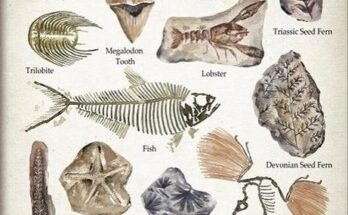
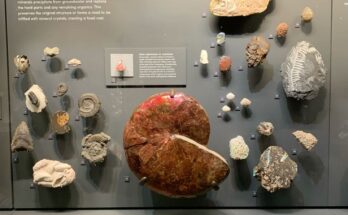
The fossil record serves as a chronological archive of life on Earth, spanning over 3.5 billion years and illustrating how species have changed over time through evolutionary processes. Fossils, which are preserved remains or traces of ancient organisms, provide snapshots of past life forms that differ from those alive today, showing a clear progression of adaptation and diversification. This evidence supports the theory of evolution by demonstrating descent with modification, where organisms adapt to their environments, leading to new species. Transitional fossils, in particular, bridge gaps between major groups, revealing intermediate forms that highlight evolutionary transitions.
For a visual overview of how fossils form and contribute to our understanding of evolution, watch this educational video: Fossils & Evidence For Evolution.
Transitional Fossils: Key Examples
Transitional fossils are crucial because they exhibit traits from both ancestral and descendant groups, filling in the evolutionary “missing links.” Here are some prominent examples that underscore the evidence for evolution.
Tiktaalik: From Fish to Land-Dwelling Tetrapods
One of the most compelling transitional fossils is Tiktaalik roseae, discovered in 2004 in the Canadian Arctic. Dating back about 375 million years, this creature lived during the Devonian period and shows features intermediate between fish and early tetrapods (four-limbed vertebrates). It had fins with wrist-like bones capable of supporting weight on land, scales and gills like a fish, but also a neck and ribs suggesting it could move out of water. This fossil illustrates the evolutionary shift from aquatic to terrestrial life, as early vertebrates adapted to shallow waters and eventually land environments.

To learn more about fossil formation and transitional species like Tiktaalik, check out this video: Fossils 101 | National Geographic.
Archaeopteryx: Linking Dinosaurs to Birds
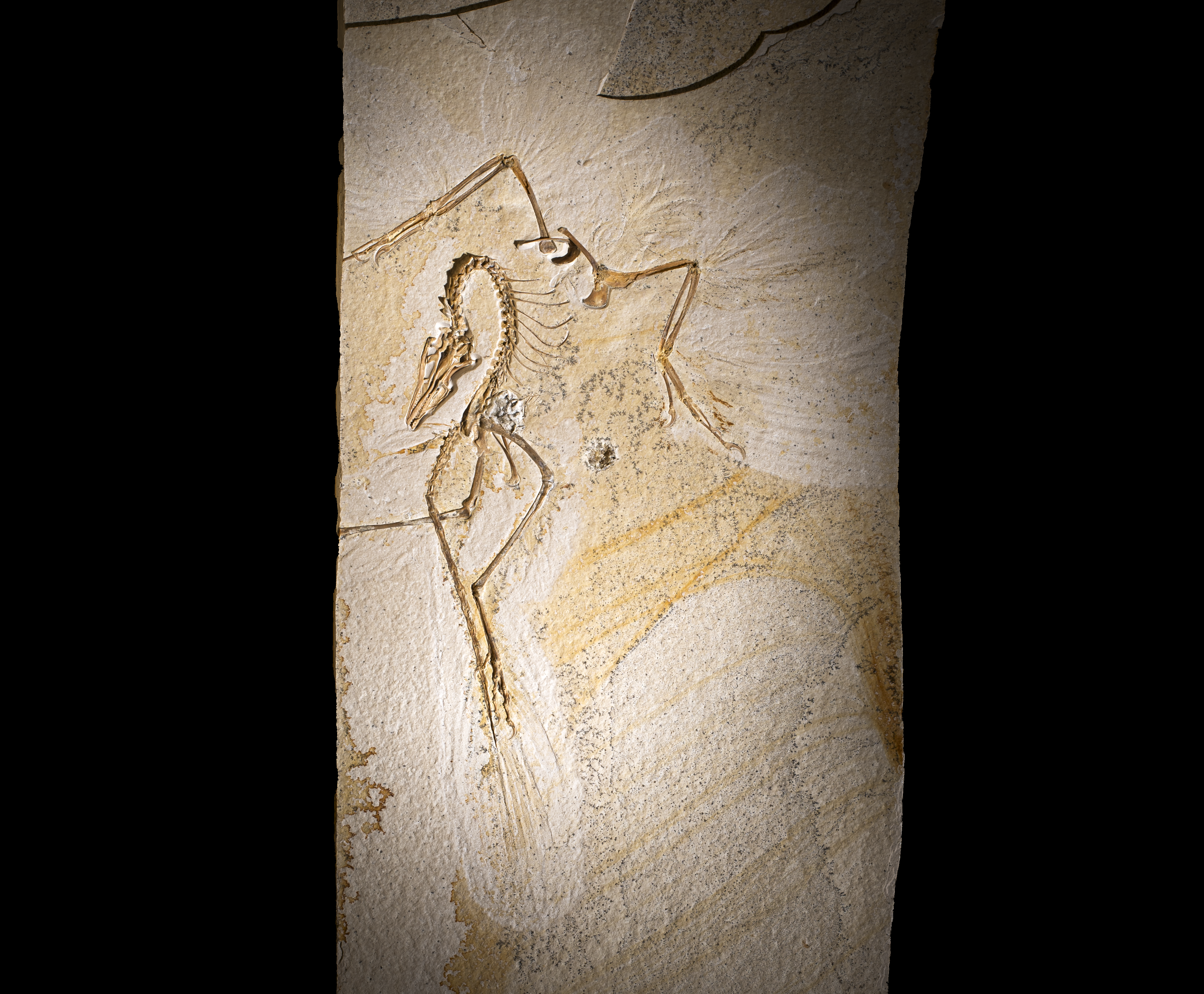
Discovered in 1861, just two years after Charles Darwin published On the Origin of Species, Archaeopteryx is a classic transitional fossil from the Late Jurassic period (about 150 million years ago). Found in Germany, it combines reptilian features like teeth, claws, and a long bony tail with avian traits such as feathers, wings, and a wishbone (furcula). This supports the evolution of birds from theropod dinosaurs, showing how flight feathers evolved before modern birds appeared. Multiple specimens confirm its role in bridging these groups.
For an introduction to evolution using fossils like Archaeopteryx, view this video: Evolution and Fossil Evidence.
Whale Evolution: Ambulocetus and Land-to-Sea Transition
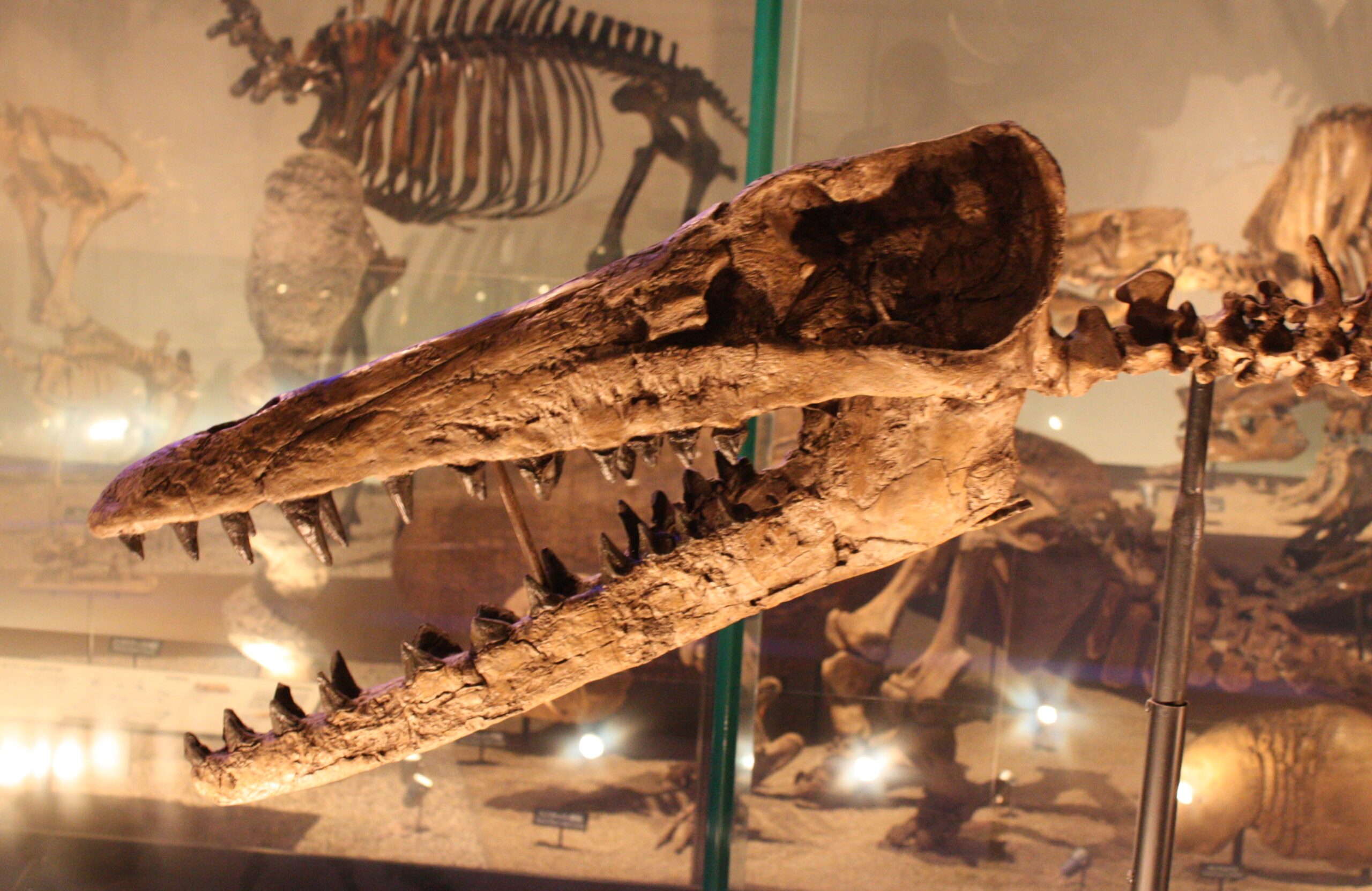
The evolution of whales from land-dwelling mammals is well-documented through fossils like Ambulocetus natans, which lived around 49 million years ago in what is now Pakistan. This “walking whale” had limbs adapted for both swimming and walking, a long snout with teeth, and ear structures intermediate between land mammals and modern whales. It represents a stage where early cetaceans (whale ancestors) transitioned from terrestrial habitats to fully aquatic ones, with later fossils showing reduced hind limbs and streamlined bodies. This sequence demonstrates how mammals returned to the sea over millions of years.

Explore the fossil record’s role in tracing such transitions in this video: The Fossil Record Video For Kids.
Human Evolution: Lucy (Australopithecus afarensis)
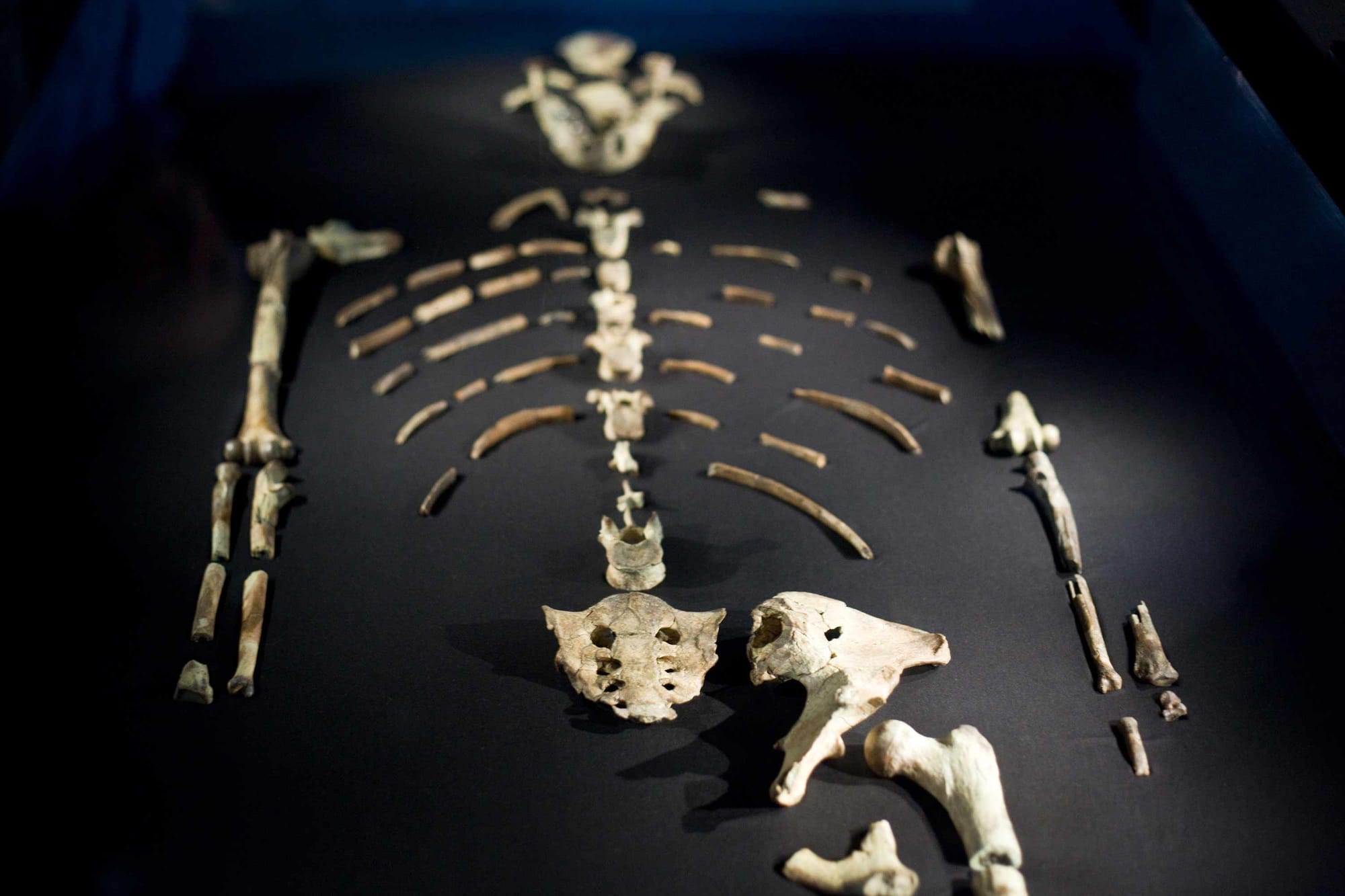
In human evolution, the fossil known as “Lucy” (Australopithecus afarensis), discovered in 1974 in Ethiopia and dated to about 3.2 million years ago, provides key evidence. This partial skeleton shows bipedal adaptations like a human-like pelvis and knee joints, but also ape-like features such as a small brain and long arms. It bridges earlier apes and later hominins, illustrating the gradual shift toward upright walking and larger brains in our lineage. Thousands of similar fossils further map human evolutionary changes in body size, diet, and locomotion.
Conclusion
The fossil record, with its consistent sequence of organisms appearing and disappearing over geological time, offers irrefutable evidence for evolution. From ancient cyanobacteria to complex transitional forms, it shows life’s diversity arising through natural selection and adaptation. While gaps exist due to the rarity of fossilization, the available evidence paints a coherent picture of systematic change. Ongoing discoveries continue to refine our understanding, reinforcing evolution as a foundational scientific principle.