Wild Horses vs Domestic Horses: Key Differences Explained
Horses captivate us in both their wild and domestic forms, but the terms often get confused. True “wild” horses—never domesticated—are rare today. The only surviving truly wild horse is Przewalski’s horse (takhi), native to the steppes of Central Asia. Most “wild” horses seen today, like American mustangs, Australian brumbies, or New Zealand Kaimanawa, are actually feral—descendants of domesticated horses that escaped, were released, or strayed and adapted to live freely.
This guide compares feral/wild horses (focusing on mustangs as the most iconic example) with domesticated horses across key areas: origins, behavior, physical traits, diet/health, lifespan, and human interaction. While genetically similar (all Equus caballus except Przewalski’s), environment and selective breeding create notable differences.
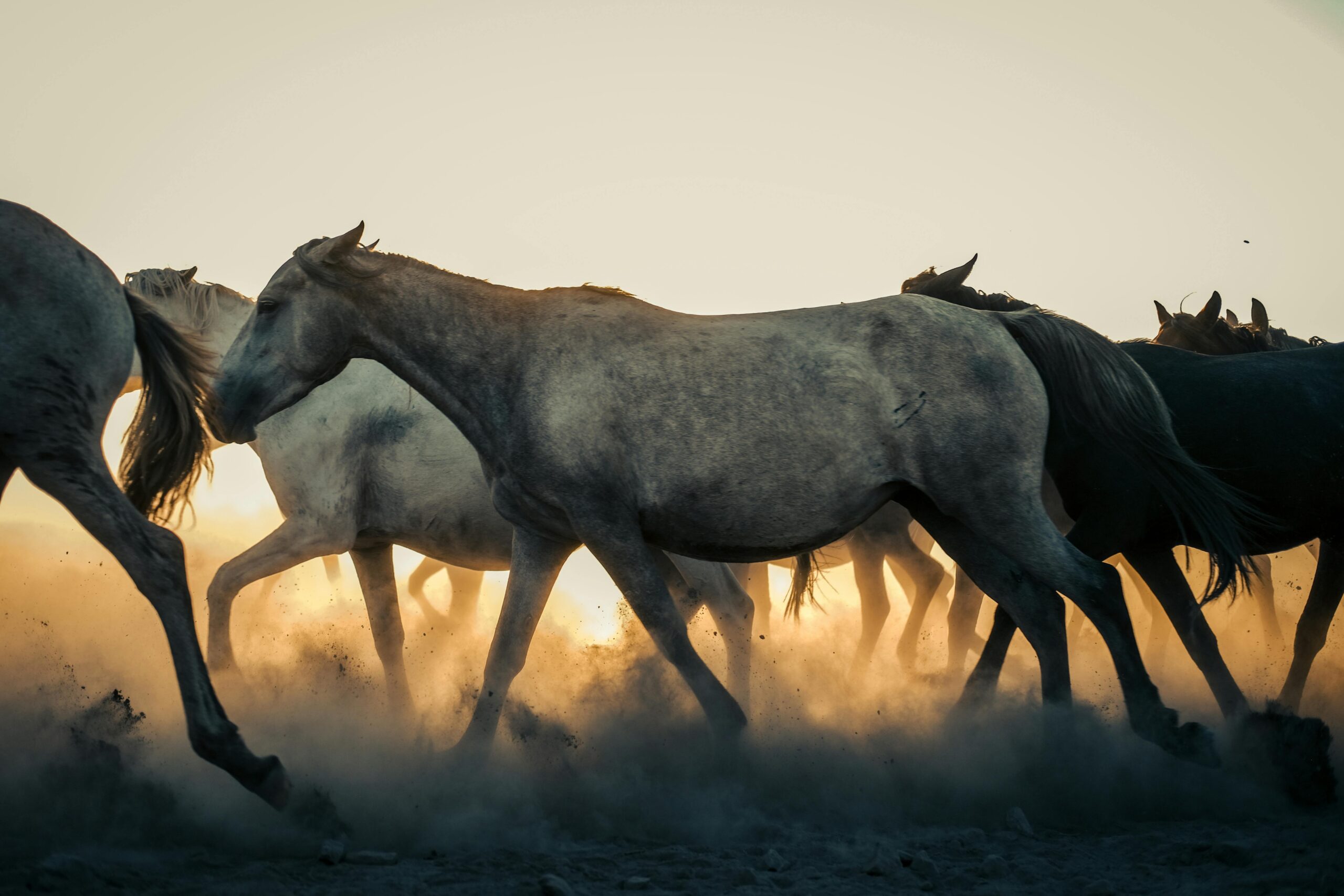
For visuals of free-roaming horses in their natural habitat:
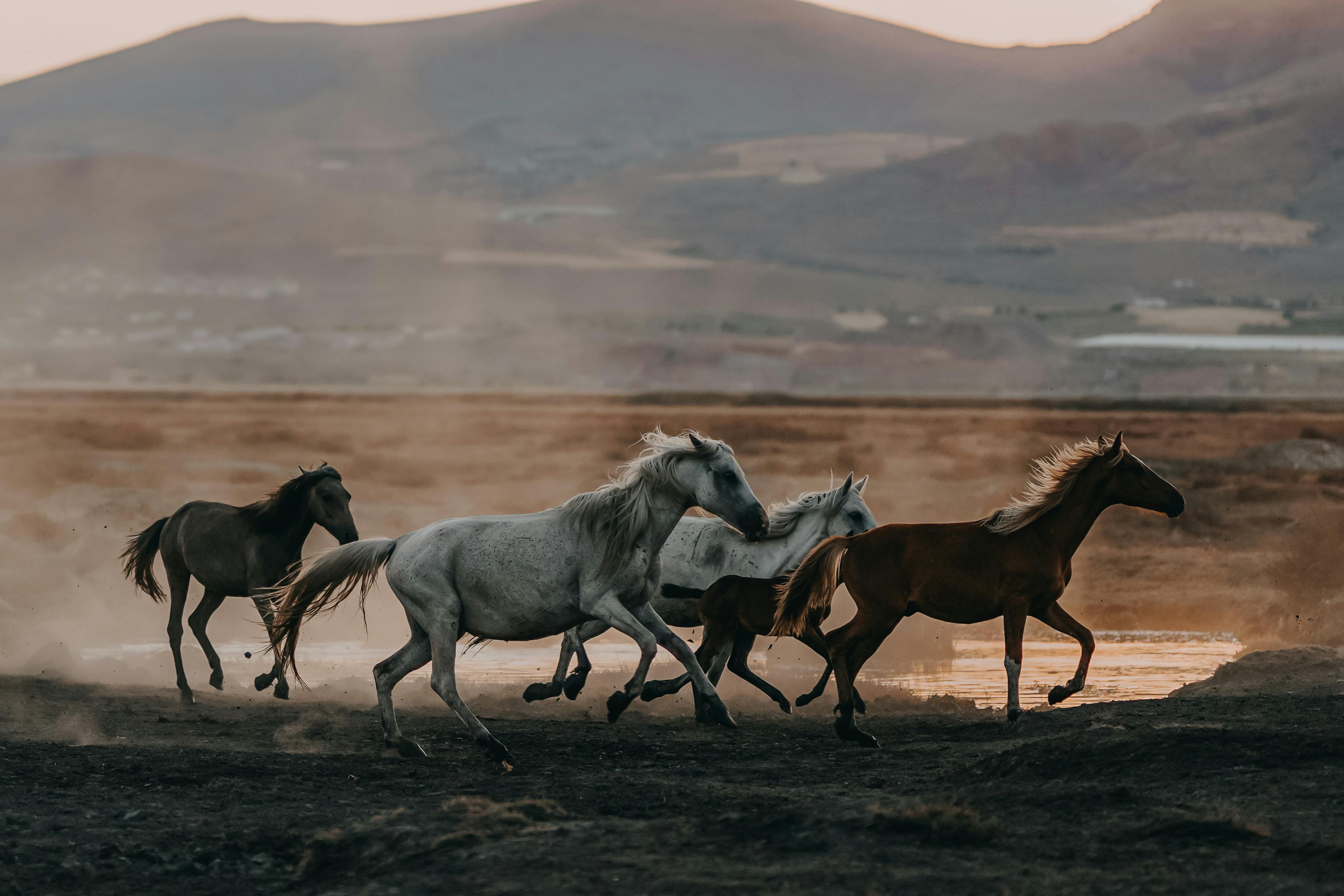


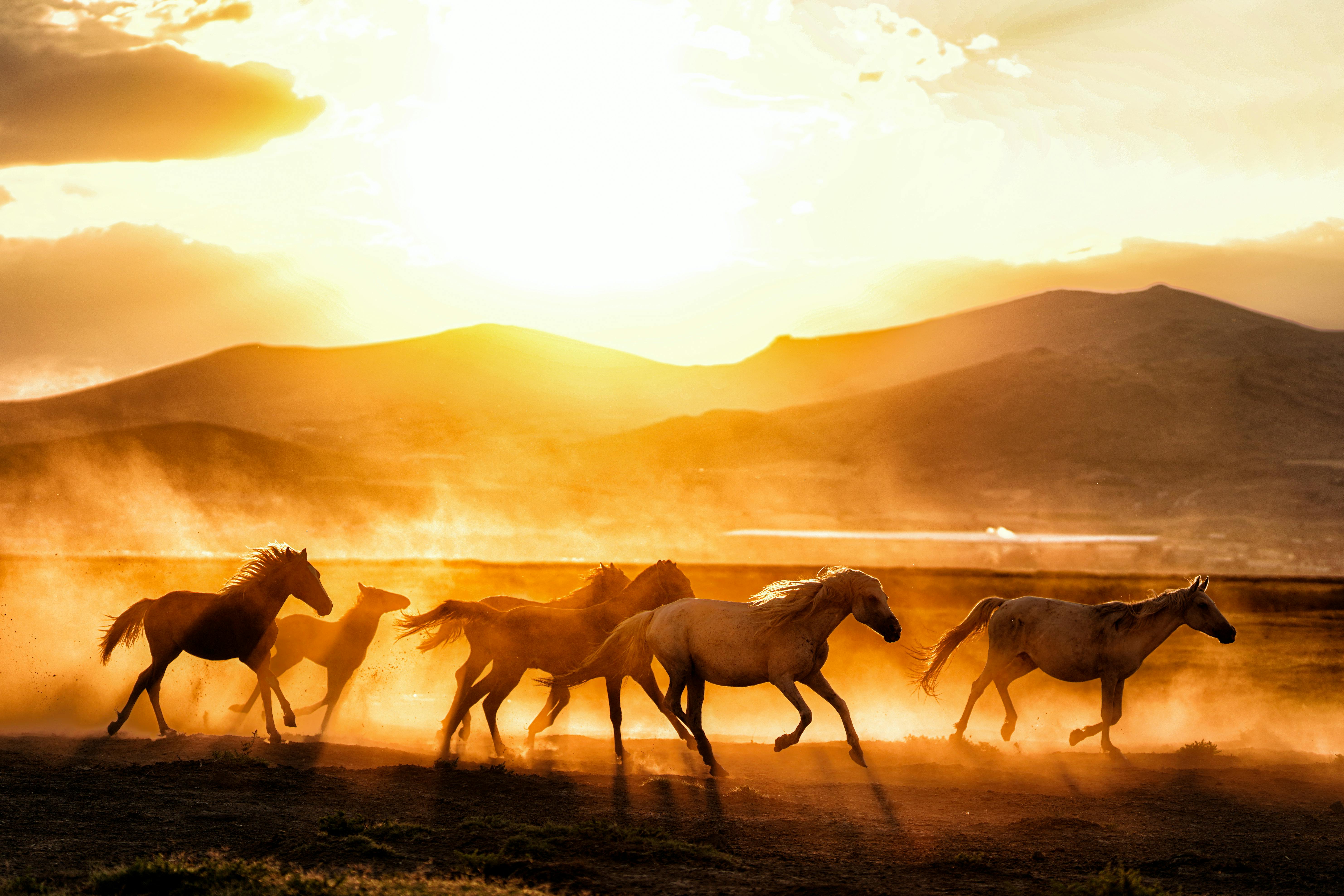
(These capture herds moving freely across vast landscapes, showcasing natural energy and group dynamics.)
1. Origins and Classification
- Wild/Feral Horses: Feral horses descend from domesticated stock (e.g., Spanish horses brought to the Americas). Przewalski’s are the last genetically distinct wild species/subspecies, with 66 chromosomes vs. 64 in domestic horses. Mustangs trace back to escapes/releases in the 1500s–1800s.
- Domestic Horses: Selectively bred by humans for thousands of years for traits like speed, strength, temperament, or color—resulting in breeds from Thoroughbreds to Clydesdales.
2. Behavior and Social Structure
- Wild/Feral: Highly alert prey instincts; strong flight response. Live in natural bands (5–15 horses) led by a dominant stallion with mares and foals. Constant movement (up to 20+ miles/day) for forage/water. More independent, less trusting of humans—often flee at sight/smell. Show “survival” behaviors like vigilant herding.
- Domestic: More trusting and adaptable to humans due to handling from birth. Often live in managed groups or alone. Behaviors shaped by training, stabling, and feeding schedules—can include learned cues, reduced flight distance, and calmer responses.
3. Physical Characteristics
- Wild/Feral: Hardy, compact builds adapted to harsh environments—thicker coats in winter, tougher hooves from natural wear on rough terrain. Often smaller/sturdier (e.g., mustangs average 13–15 hands). Natural manes/tails, varied colors from survival pressures.
- Domestic: Vary widely by breed—taller, refined, or massive builds. Hooves often need shoeing/trimming due to softer ground or work. Selective breeding creates specialized features (e.g., arched necks in Arabians, feathered legs in drafts).

(A herd of feral mustangs grazing in rugged terrain, highlighting natural adaptation.)
4. Diet, Health, and Care
- Wild/Feral: Trickle graze on sparse, varied forage—moving constantly prevents overeating. Natural hoof self-trimming on rocky ground. Fewer parasites/diseases due to natural selection, but vulnerable to drought, predators, or overpopulation. No vet care—survival of the fittest.
- Domestic: Controlled diet (hay, pasture, grain supplements). Regular hoof care, vaccinations, deworming, dental floats. Better nutrition/health management extends life, but risks like obesity, laminitis, or ulcers from confinement/feed changes.
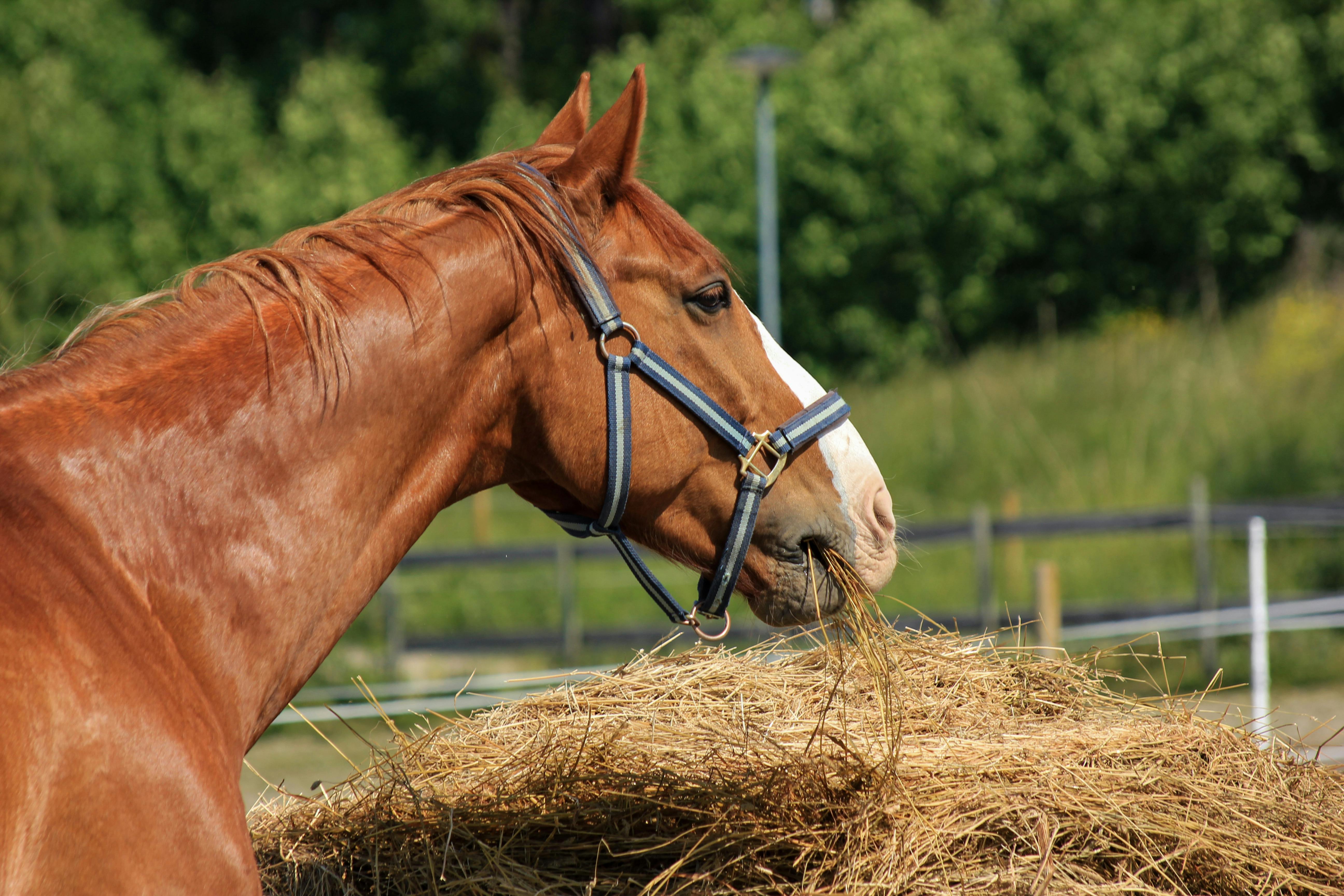


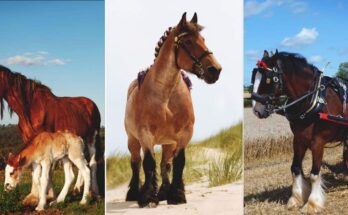
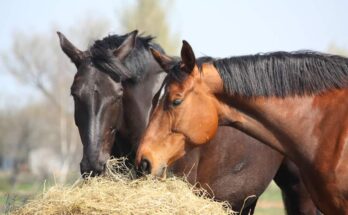
(Examples of domestic horses in managed environments, with halters, saddles, or stable setups showing human care.)
5. Lifespan and Movement
- Wild/Feral: Shorter average lifespan (10–20 years, up to 36 in rare cases) due to harsh conditions, predation, or resource scarcity. Constant travel builds endurance and strong hooves/legs.
- Domestic: Longer lifespans (25–30+ years) with good care—protection from elements, predators, and consistent nutrition. Movement often limited to turnout or exercise, requiring human-provided activity.
6. Human Interaction
- Wild/Feral: Minimal to none—approach with caution; many remain wary even if captured/adopted. Training “wild” mustangs often reveals strong survival instincts but high adaptability over time.
- Domestic: Bred for partnership—gentle, trainable, and often seek human attention. Form deep bonds through handling, riding, and care.
In summary, while feral and domestic horses share the same species roots, life in freedom vs. human management shapes profound differences in instincts, resilience, and needs. True wild horses like Przewalski’s remind us of equine origins, while feral mustangs embody adaptation and freedom. For deeper dives, check videos like “Equine Health: Wild vs Domestic Horses” on YouTube, which compares hoof care, movement, and seasonal needs.
Understanding these differences enhances appreciation—whether admiring mustangs from afar in places like the American West or caring for a domestic partner at home. If you’re near San Francisco, local preserves or BLM adoption events sometimes offer glimpses of these resilient animals!