Fossils Discovered by Accident
Many of the most significant fossils in paleontology weren’t found through planned expeditions but by sheer chance—during mining operations, construction, quarrying, or everyday activities. These serendipitous discoveries have reshaped our understanding of ancient life, from human ancestors to dinosaurs and marine reptiles. Accidental finds often occur in industrial settings where large amounts of rock are exposed quickly, revealing hidden treasures that might otherwise remain buried for millions more years.
Here are some of the most famous examples of fossils discovered accidentally, highlighting how luck, combined with curiosity, has advanced science.
1. Borealopelta markmitchelli (Nodosaur) – The “Best-Preserved Armored Dinosaur”
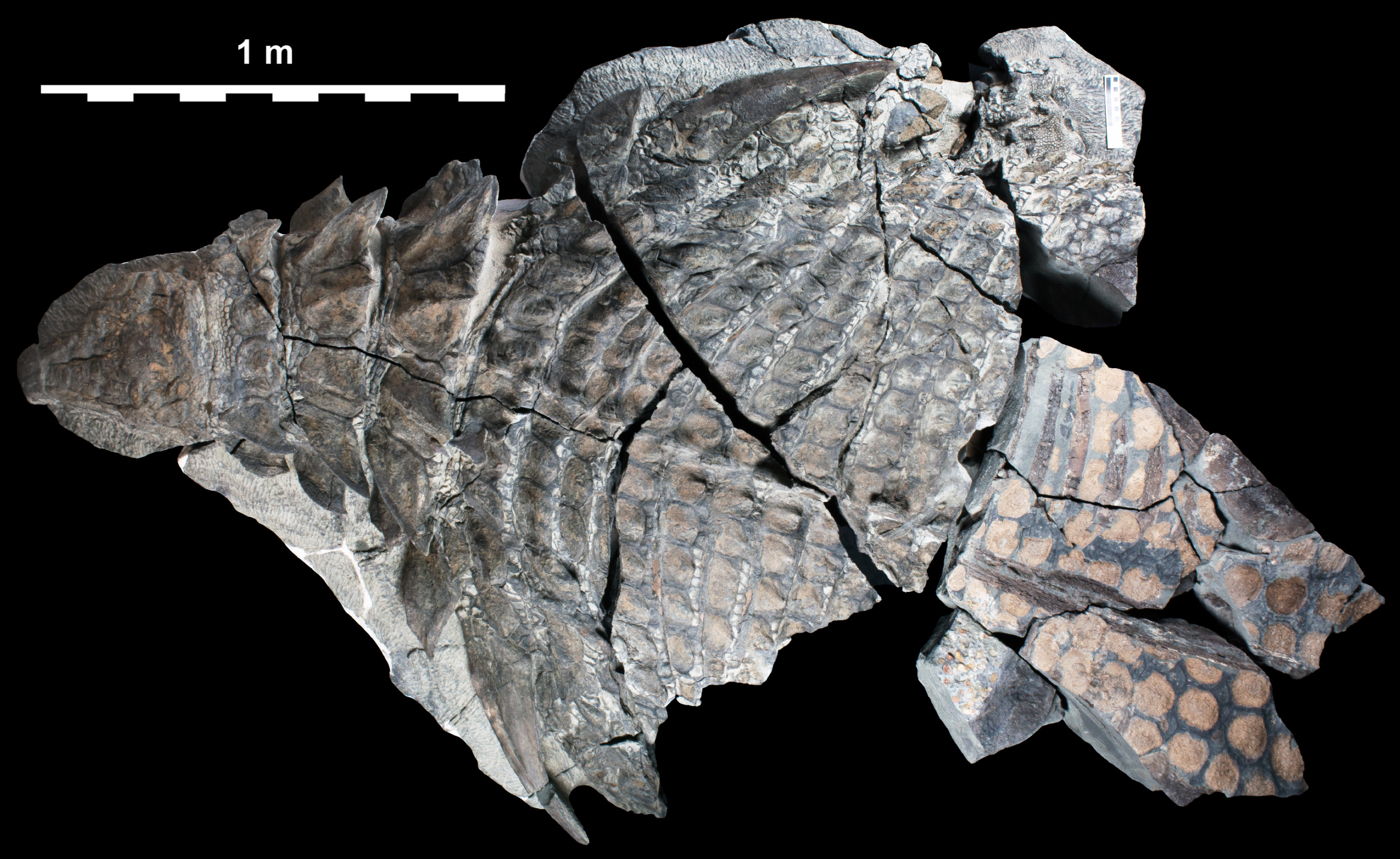
In 2011, miners at a Fort McMurray oil sands mine in Alberta, Canada, accidentally uncovered one of the most perfectly preserved dinosaur fossils ever found. This 110-million-year-old nodosaur was mummified so well that its armor, skin, and even stomach contents were intact, providing an unprecedented 3D view of what these armored herbivores looked like in life.
The fossil was spotted when a heavy equipment operator noticed unusual rock during routine mining. It required careful extraction and years of preparation but has become a landmark specimen for understanding ankylosaurid dinosaurs.
Here are stunning images of the Borealopelta nodosaur fossil:

For more on this incredible find, check out this video overview: The Nodosaur: 110 Million-Year-Old Dinosaur Mummy or National Geographic’s coverage.
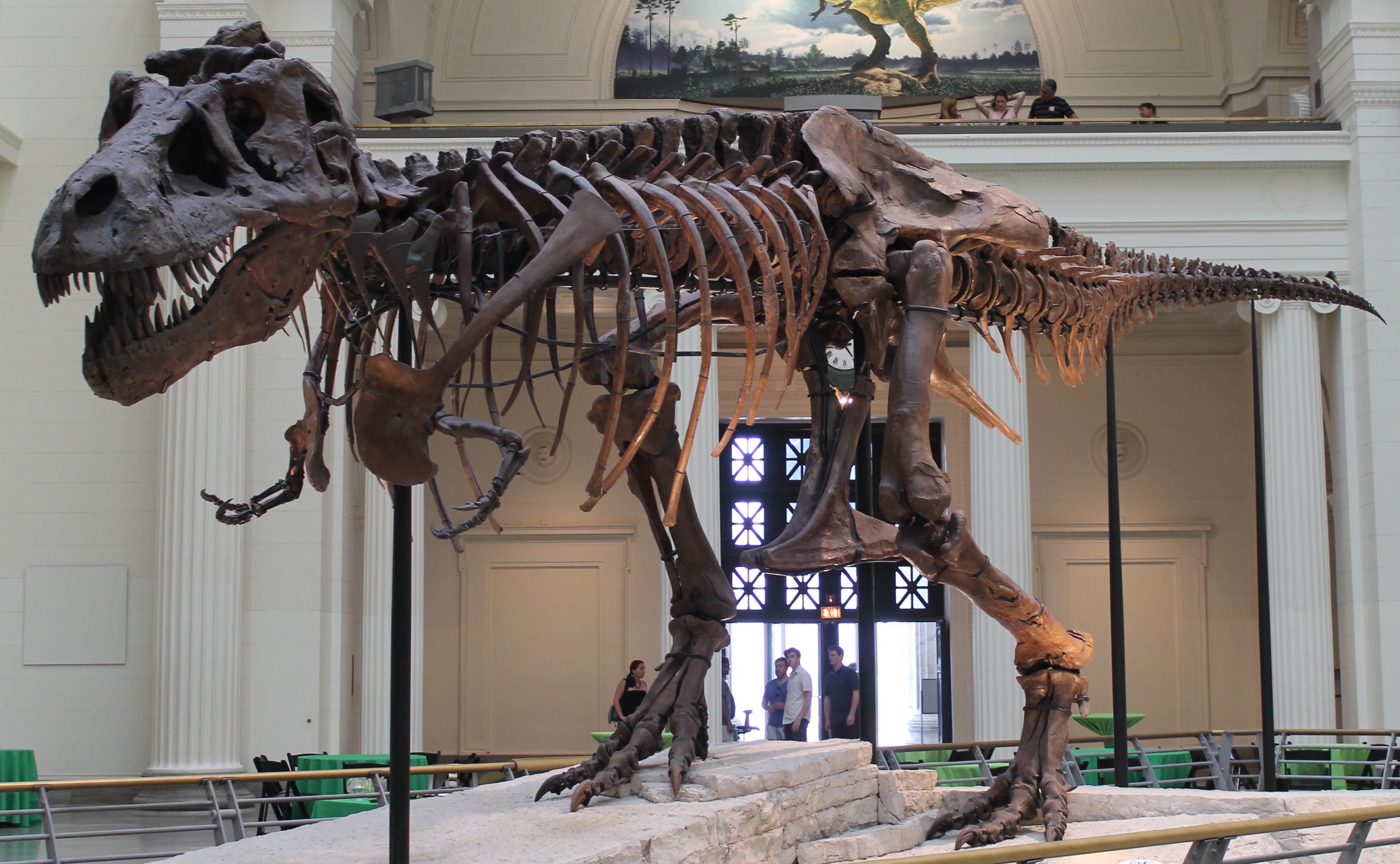
2. Sue the T. rex – The Most Complete Tyrannosaurus rex
In 1990, paleontologist Sue Hendrickson was exploring a site in South Dakota when her team vehicle got a flat tire. While waiting for repairs, she noticed bones eroding out of a hillside—leading to the discovery of “Sue,” the largest, most complete, and best-preserved T. rex skeleton ever found (over 90% complete). Named after its discoverer, this specimen revolutionized T. rex research, revealing details about growth, injuries, and pathology.
Sue is now a star exhibit at the Field Museum in Chicago.
Iconic views of Sue the T. rex skeleton:



3. Neanderthal 1 – The First Recognized Neanderthal
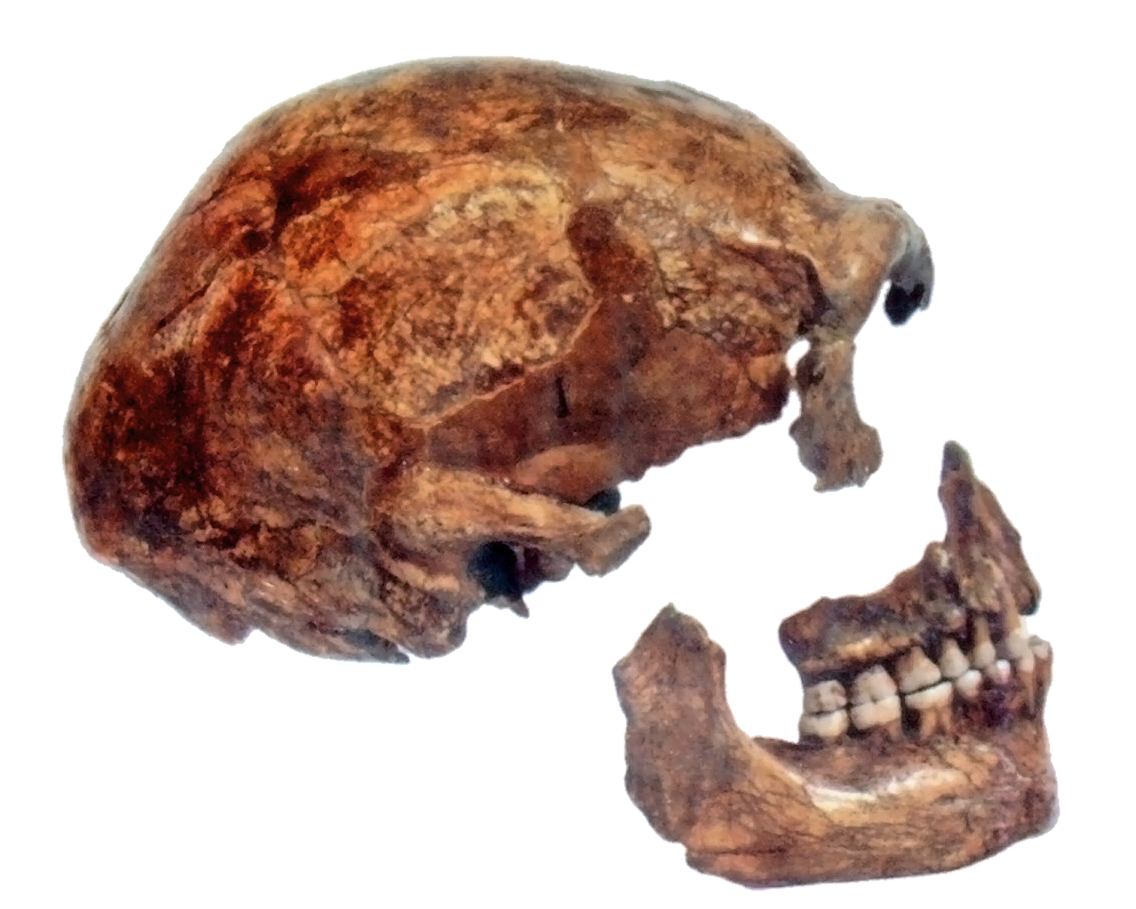
In 1856, quarry workers in Germany’s Neander Valley (Neanderthal) blasted limestone and uncovered ancient human bones in a cave. These remains, including a skullcap and limb bones, were the first fossils identified as a distinct human species (later named Homo neanderthalensis). This accidental find kickstarted modern paleoanthropology.
Early Neanderthal skull specimens:

4. Ichthyotitan severnensis – A Massive “Sea Dragon”
In 2018, a paleontologist visiting a museum collection in the UK accidentally spotted jaw fragments from a giant ichthyosaur (marine reptile) that had been misidentified for decades. Further study revealed it as Ichthyotitan, one of the largest animals ever, rivaling blue whales in size from the Triassic period.
This highlights how even museum specimens can yield surprises through re-examination.
5. Archaeopteryx – The “Missing Link” Between Dinosaurs and Birds
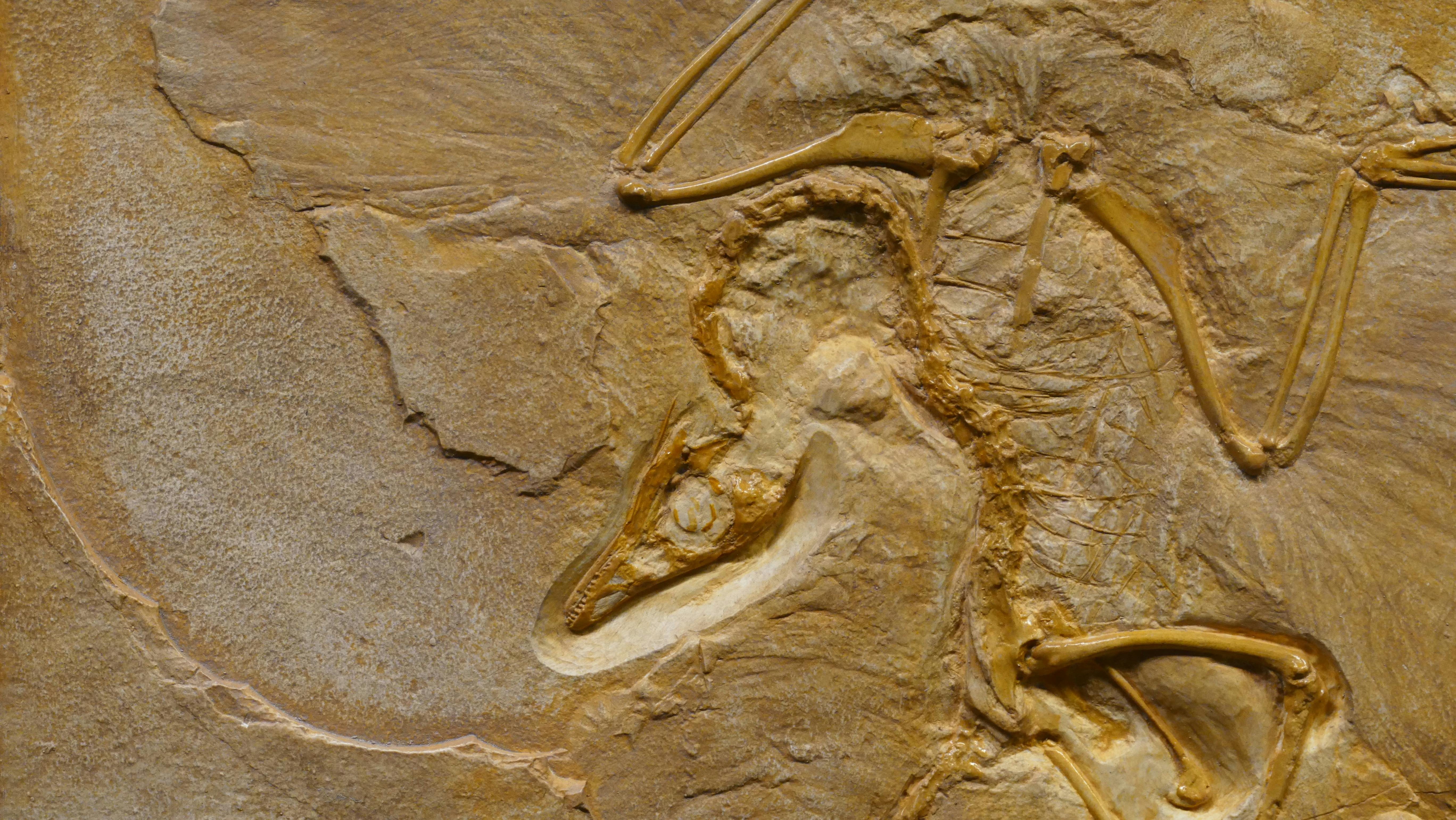
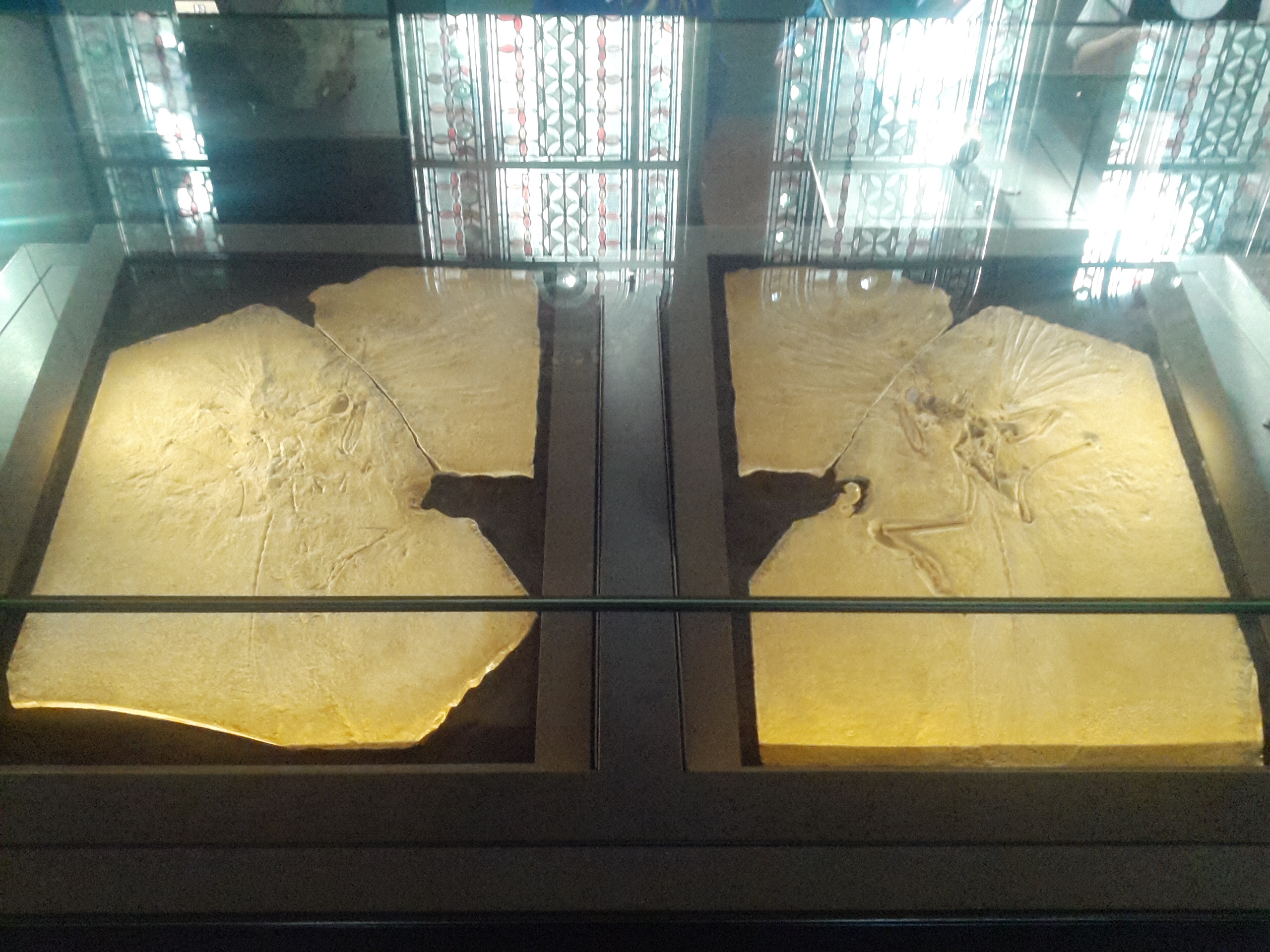
In 1861, a quarry worker in Germany split a limestone slab and found an exquisitely preserved feathered skeleton with teeth and a long tail—Archaeopteryx. This accidental discovery provided crucial evidence for Darwin’s theory of evolution, showing transitional features between reptiles and birds.
Famous Archaeopteryx fossils:

Other Notable Accidental Finds
- Thrinaxodon and Broomistega (Triassic “cuddle”): A protomammal and amphibian preserved together in a burrow, discovered in South Africa.
- Various hominid fossils (e.g., Taung Child): Often found in mining blasts or quarries.
- Giant millipede or dinosaur bones: Unearthed on beaches, in rubble, or by children tripping over exposures.
These stories show that while targeted searches yield many fossils, accidents—often in quarries, mines, or during routine work—have delivered some of the most groundbreaking specimens. They remind us that Earth’s history is still being uncovered in unexpected places.
If you’re exploring fossil-rich areas like quarries or badlands, keep an eye out—you might make the next big accidental discovery! For inspiration, watch documentaries on these finds or visit museums displaying them.