Horse Body Language: Understanding Horse Body Language and Behavior
Horses are highly communicative animals that rely primarily on body language rather than vocalizations to express emotions, intentions, and states of mind. As prey animals, they are subtle communicators—small changes in posture, ears, eyes, tail, or mouth can signal everything from relaxation and curiosity to fear, pain, aggression, or discomfort. Learning to read these cues is essential for safe handling, building trust, and preventing accidents. Context matters: always consider the whole body, environment, and situation rather than isolated signals.
This guide covers the most common and important signs, grouped by body part, with explanations of what they typically mean. Observe your horse in different scenarios to become fluent in their “language.”
For visual learning, check out these helpful videos:
- READING HORSE BODY LANGUAGE & BEHAVIOR – A detailed breakdown of ears, eyes, tail, and more.
- Other equine behavior tutorials on platforms like YouTube often feature slow-motion examples for better understanding.
1. Ears: The Most Expressive Feature
Horses’ ears act like radar dishes, rotating up to 180 degrees to pinpoint sounds. Their position reveals attention and mood.
- Ears forward or pricked: Alert, curious, interested, or focused on something ahead. This is a positive, attentive sign.


- Ears relaxed to the side or slightly back (but not pinned): Relaxed, content, or dozing. Often seen when resting or enjoying grooming.
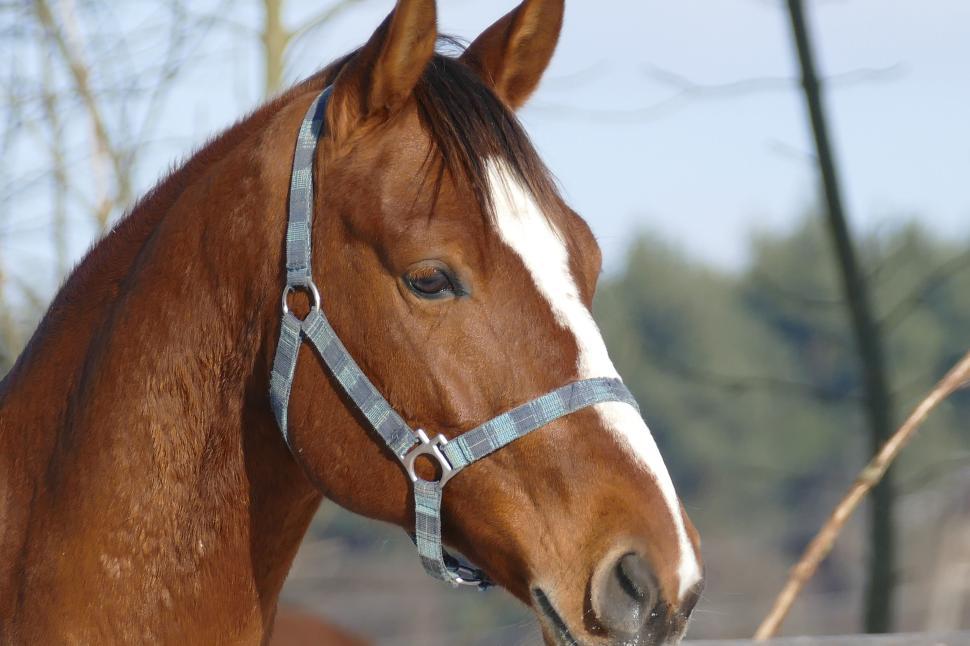
- Ears rapidly flicking or swiveling: Heightened anxiety, confusion, alertness to multiple stimuli, or trying to locate a sound.
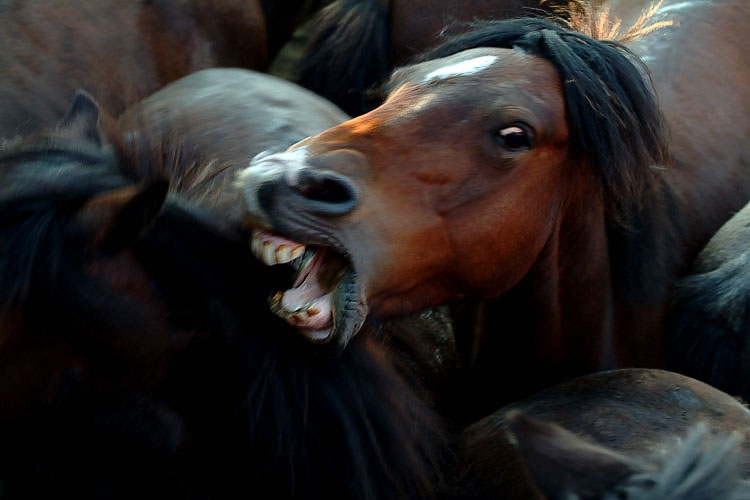
- Ears pinned flat back against the neck: Strong warning—irritation, anger, aggression, fear, or pain. The horse may bite, kick, or charge. Approach with caution!

2. Eyes: Windows to Emotion and Health
The eyes show focus, fear, or pain. Watch for the amount of white visible (sclera) and pupil size.
- Soft, half-closed or droopy eyes: Relaxation, contentment, or sleepiness. A sign of trust.
- Wide-open eyes with whites showing (especially if tense): Fear, alarm, pain, or extreme stress. The horse feels threatened.
- Fixed stare or tense eye muscles: Discomfort, pain, or aggression. In pain (e.g., colic or injury), eyes may appear strained.
3. Tail: More Than a Fly Swatter
Tail position and movement convey mood clearly.
- Relaxed, gently swishing or hanging low: Content and calm.
- Tail clamped tightly to the body: Fear, cold, or severe discomfort.
- Tail held high and arched: Excitement, alertness, or playful energy (common in stallions or during play).
- Rapid swishing or wringing: Irritation, frustration, anger, or discomfort (e.g., from flies, girth pain, or rider cues).

4. Head and Neck Position: Overall Attitude
The head carriage reflects confidence, submission, or tension.
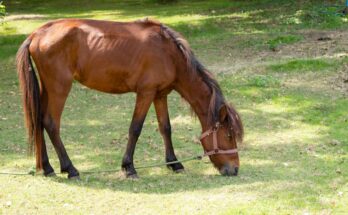
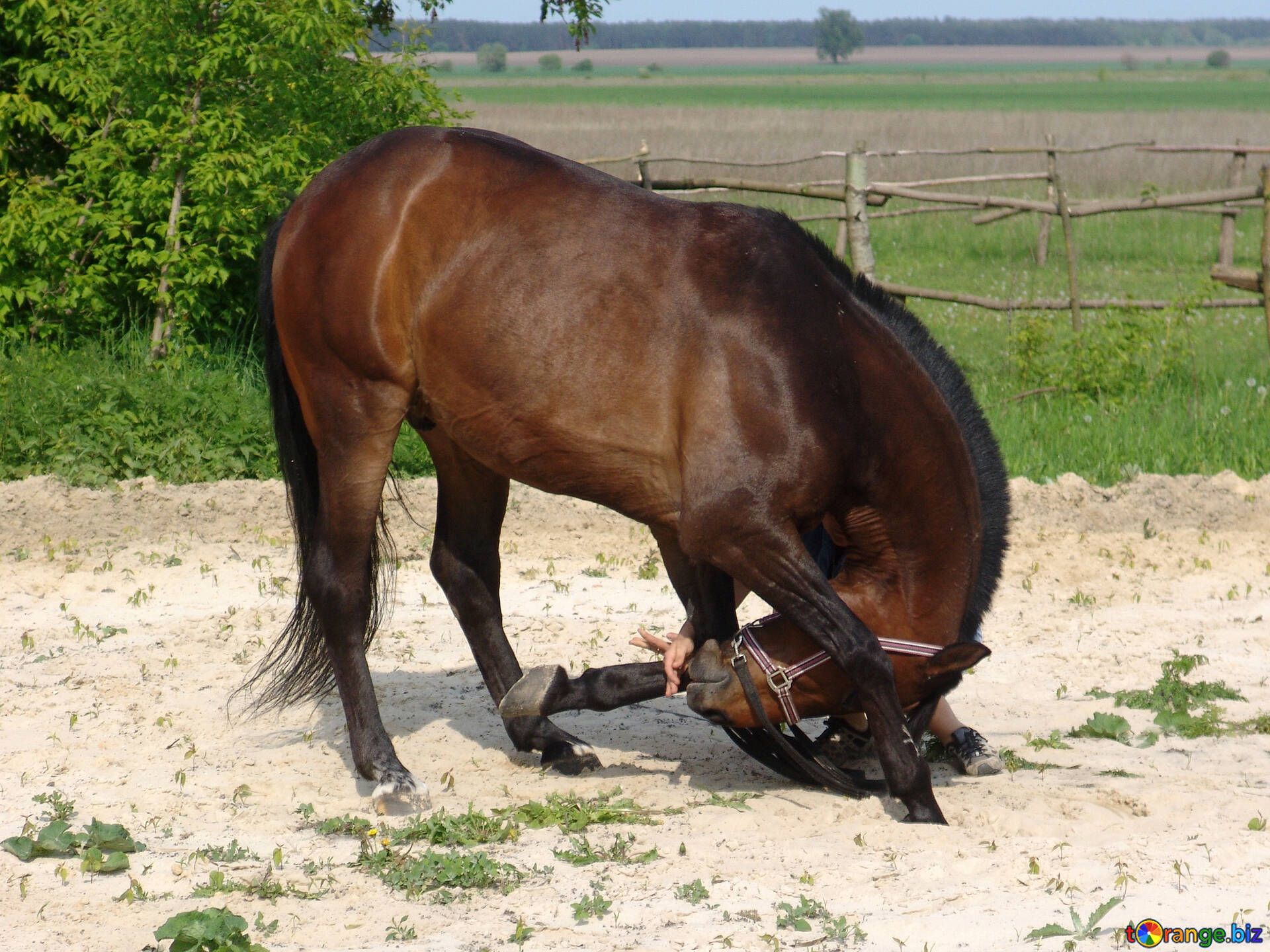
- Head lowered, neck relaxed: Calm, submissive, or relaxed—often during grazing or friendly interaction.
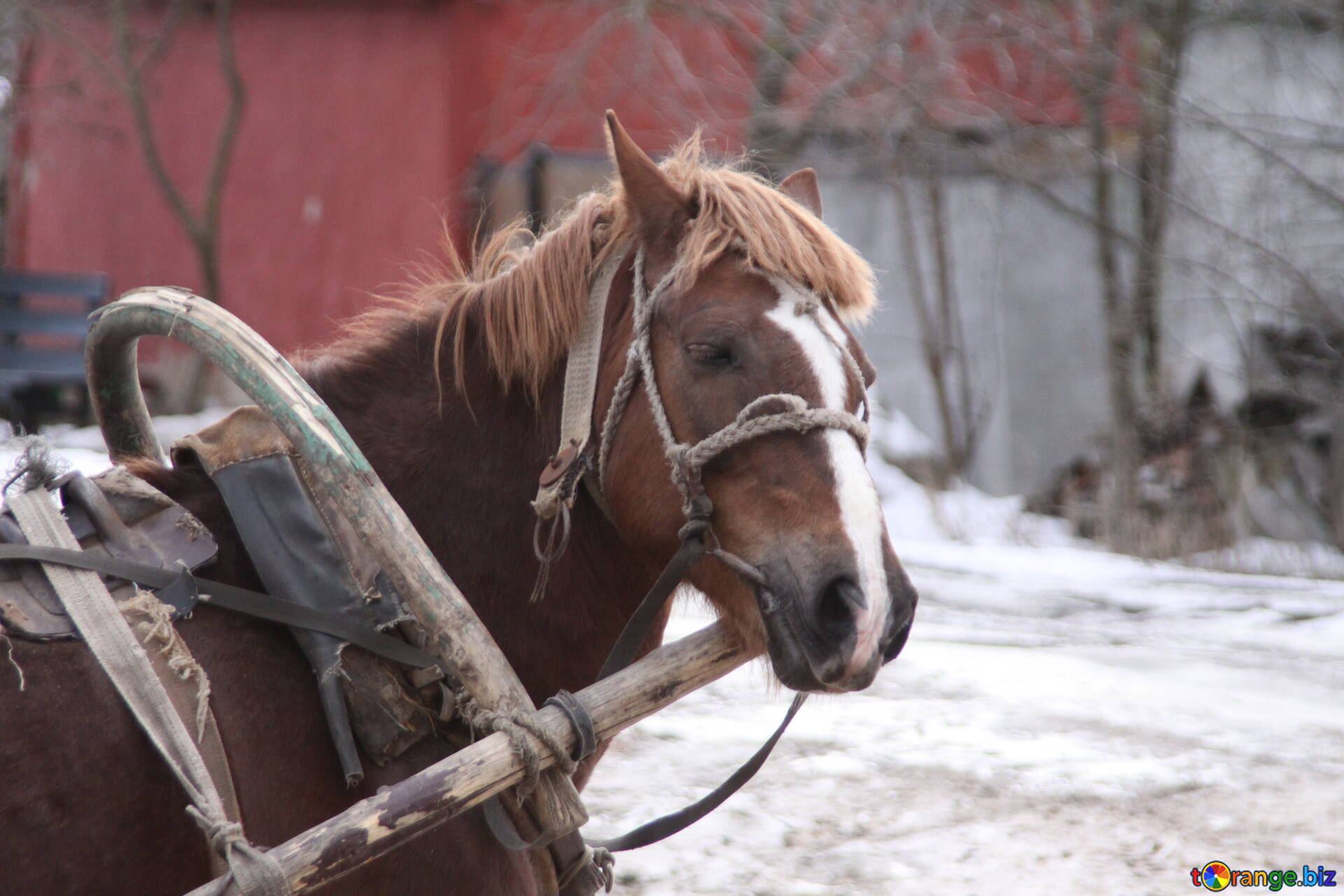
- Head high, neck arched: Alert, curious, or dominant. Can turn to fear if combined with other tense signs.
- Head turned away or avoidance: Discomfort or not wanting interaction.
5. Mouth and Facial Expressions
Subtle but telling.
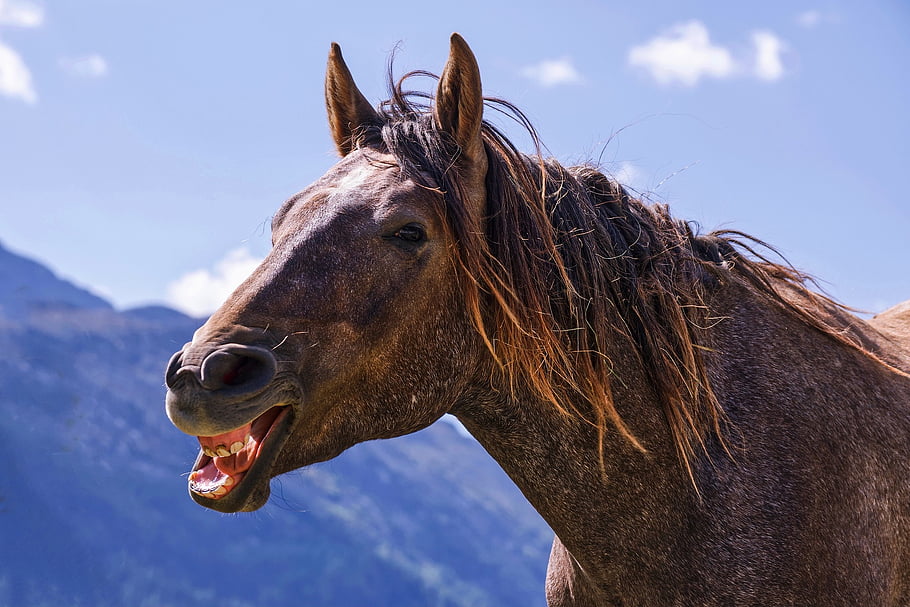
- Licking and chewing, yawning: Relaxation, stress release, or processing information (a “calming signal”).

- Showing teeth (snapping or baring): Threatening aggression or pain response.
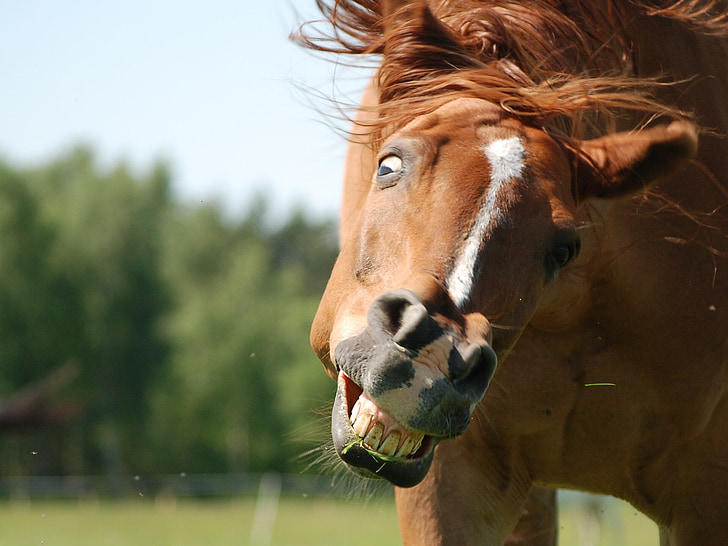

- Tight muzzle, square nostrils: Tension or discomfort.
6. Overall Posture and Legs
The full body tells the story.
- Relaxed stance, resting one hind leg, soft muscles: Happy, content, and at ease.
- Stiff, rigid body, weight shifted back: Fear, pain, or readiness to flee/fight.
- Pawing or lifting a leg: Impatience, frustration, or preparation to kick/strike.
Quick Reference: Common Combinations
- Relaxed and happy: Ears forward/side, soft eyes, lowered head, gentle tail swish, licking/chewing.
- Alert but calm: Ears pricked forward, head up moderately, relaxed posture.
- Stressed/anxious: Flicking ears, wide eyes, raised head, tail swishing.
- Aggressive/warning: Pinned ears, showing teeth, clamped/swishing tail, tense body—back away!
- In pain: Dull eyes, tense face, ears back, reluctance to move, sweating.
Understanding horse body language takes practice and observation. Spend quiet time watching your horse in the pasture or during grooming to learn their baseline “normal.” Resources from equine behavior experts (like Dr. Sue McDonnell or books on calming signals) can deepen your knowledge. Always prioritize safety—if unsure, give space and consult a professional trainer or vet. Building this skill strengthens your bond and keeps both you and your horse safe!