What Fossils Reveal About Earth’s Ancient Climate
Fossils serve as natural archives of Earth’s past climates, offering direct evidence of temperature, precipitation, sea levels, and atmospheric conditions over millions to billions of years. Through paleoclimatology, scientists use these “climate proxies”—such as plant leaves, pollen, marine microfossils, and animal remains—to reconstruct ancient environments. This helps explain natural climate variability, including ice ages, warm “hothouse” periods, and abrupt shifts, providing context for today’s rapid changes driven by human activity.
By analyzing fossil distribution, morphology, chemistry (like oxygen isotopes), and assemblages, researchers infer past conditions. For instance, fossils of tropical plants in now-cold regions indicate warmer global climates, while cold-adapted species in certain layers signal ice ages.
Key Fossil Proxies and What They Reveal
1. Fossil Leaves and Plant Morphology
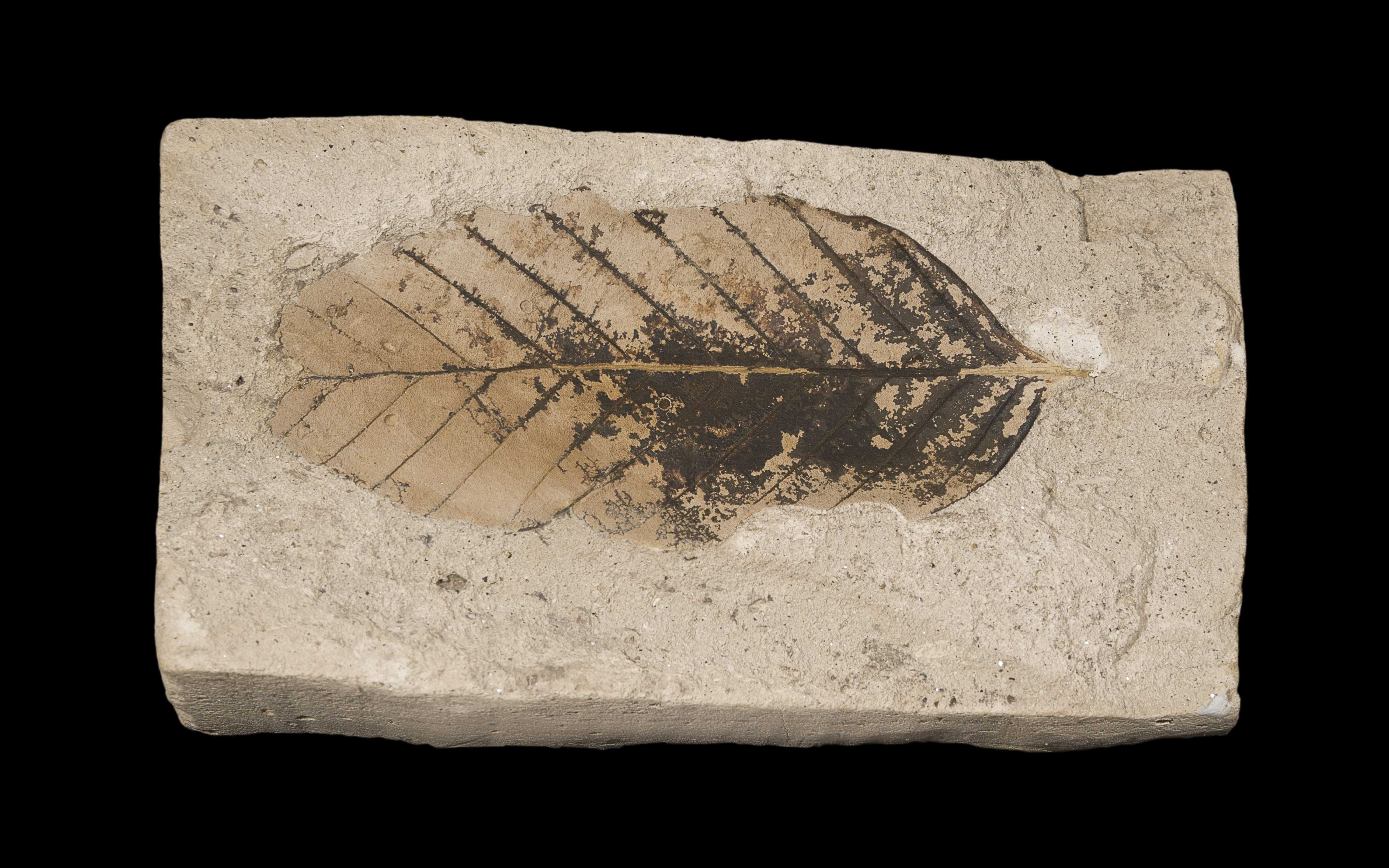
Plant leaves preserve details about temperature and rainfall. Leaves from warmer, wetter climates tend to have smooth (entire) margins and larger sizes, while those from cooler or drier areas often have toothed, jagged edges and smaller forms. Fossil palm fronds or broad-leaved plants found far north or south of their modern ranges show past warmer periods.
Examples include fossil palms in Alaska or dawn redwood (Metasequoia) in the Arctic, indicating tropical-like conditions ~50 million years ago during the Eocene.
Here are examples of fossil leaves used in paleoclimate studies:



2. Pollen and Spores (Palynology)
Pollen grains are incredibly durable and abundant in sediments. Different plant species produce distinctive pollen, so assemblages in lake or bog cores reveal shifts in vegetation—e.g., from forests to grasslands as climates dried. This tracks precipitation and temperature changes over thousands to millions of years.
Pollen from arctic plants in lower layers versus tree pollen higher up can indicate warming or cooling trends.
Visuals of pollen fossils and analysis:



3. Foraminifera and Other Marine Microfossils
Tiny shelled organisms like foraminifera (forams) live in oceans and record temperature via oxygen isotopes (δ¹⁸O) in their calcite shells. Higher δ¹⁸O indicates cooler periods (more ice-locked light oxygen-16) or glacial conditions. Forams also show ocean productivity, salinity, and sea-level changes.
Deep-sea sediment cores with stacked foram records reveal Cenozoic climate evolution, including ice age cycles.
Examples of foraminifera fossils and isotope-based climate graphs:



4. Animal Fossils and Distribution
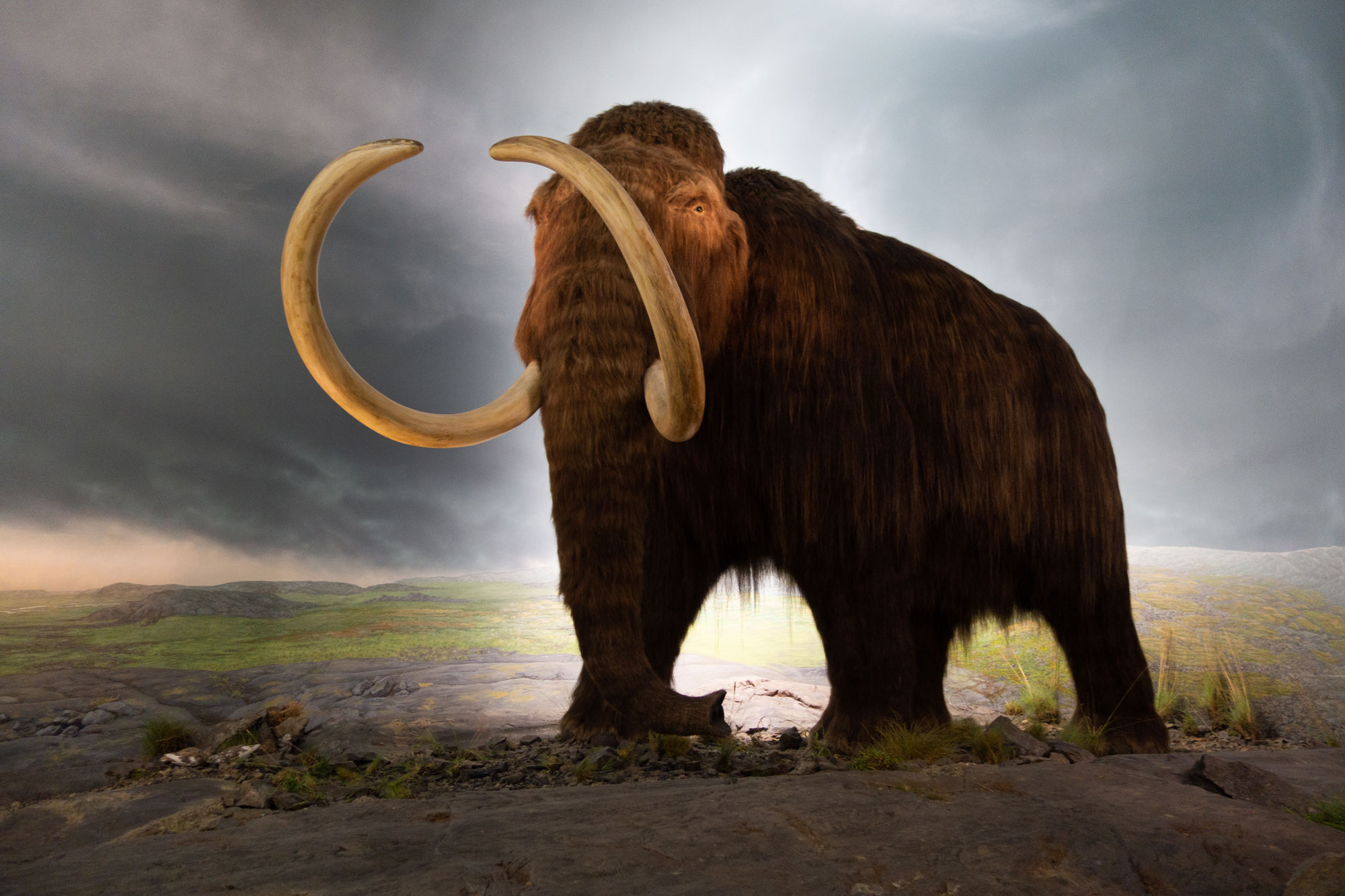
Dinosaurs and other vertebrates in polar regions (e.g., Antarctic dinosaurs) suggest warmer Cretaceous climates without permanent ice caps. Woolly mammoths and cold-adapted species indicate Ice Age conditions, while whale fossils high on cliffs show past higher sea levels from melted ice.
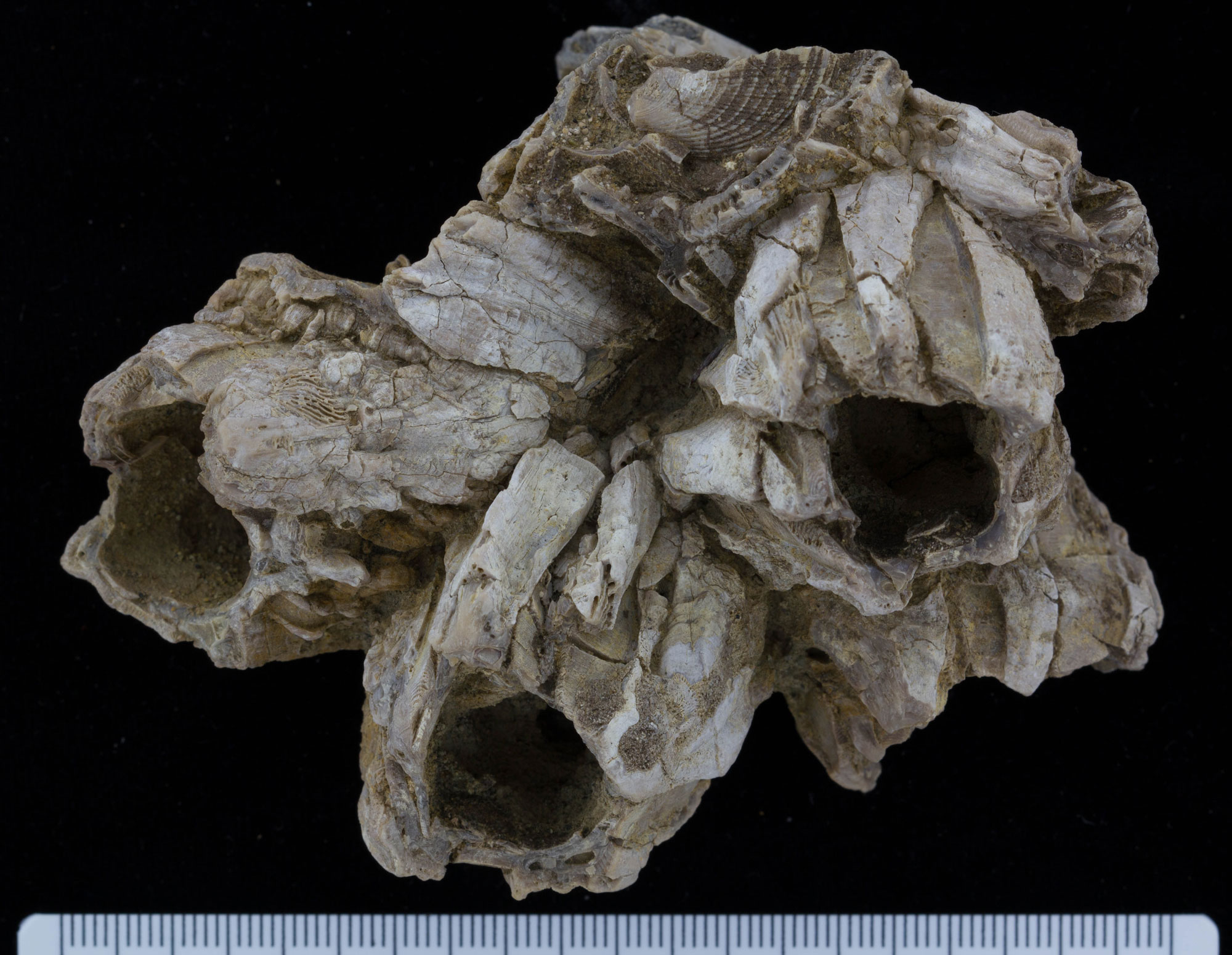
Fossil corals and reefs mark warm, shallow seas, with their distribution tracking past tropical zones.
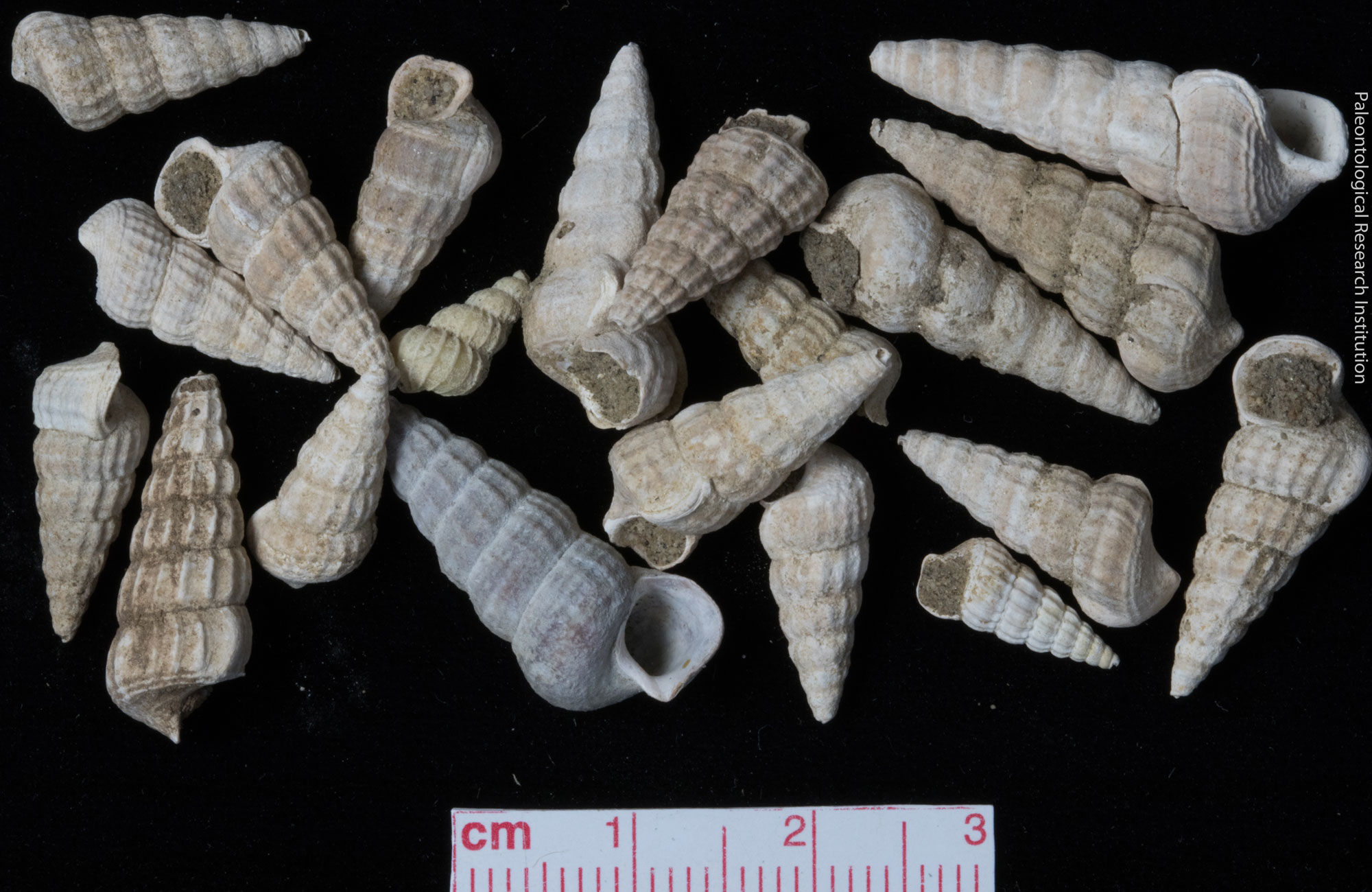
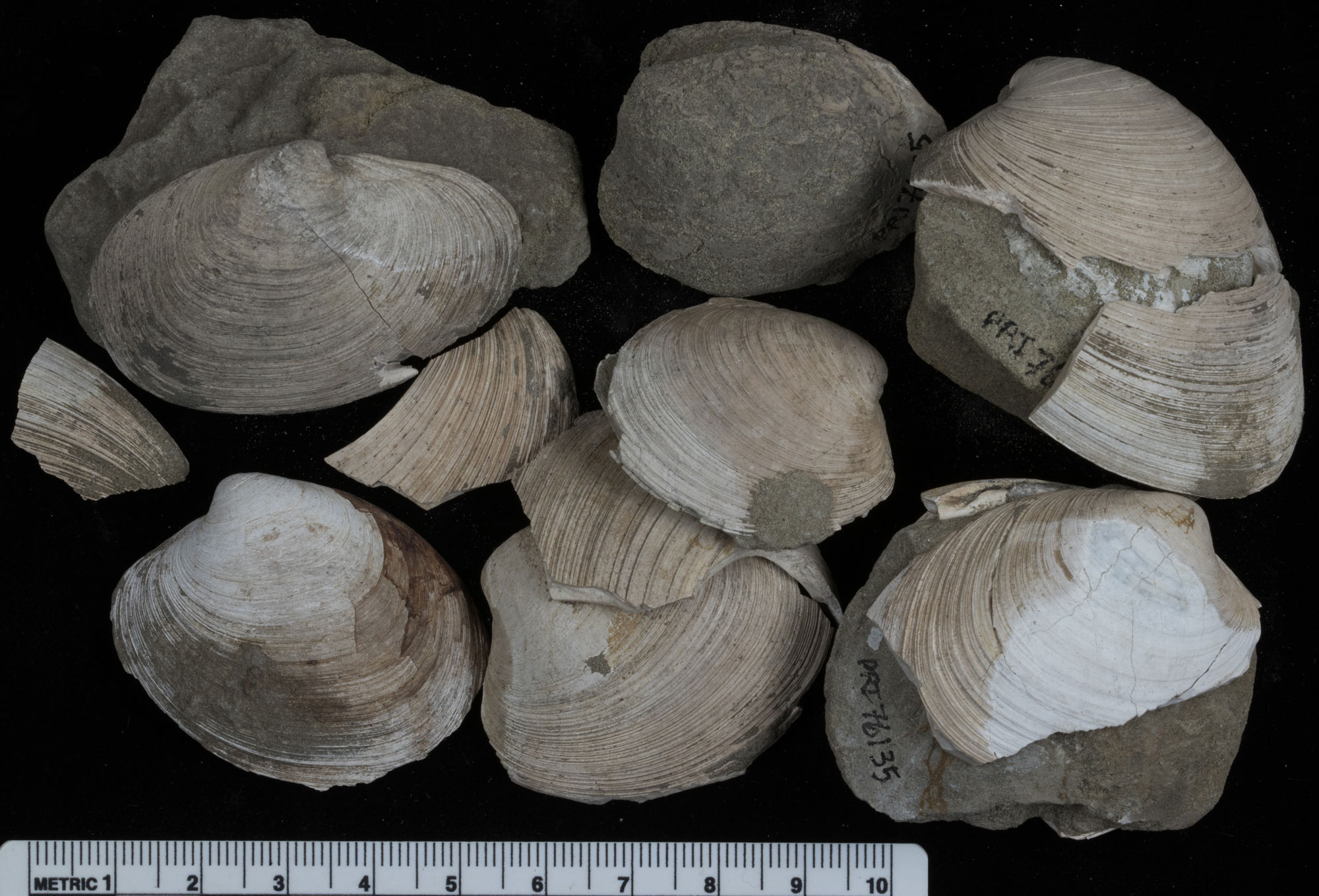
Marine fossils like corals and shells:
Cold-adapted mammal fossils from Ice Ages:
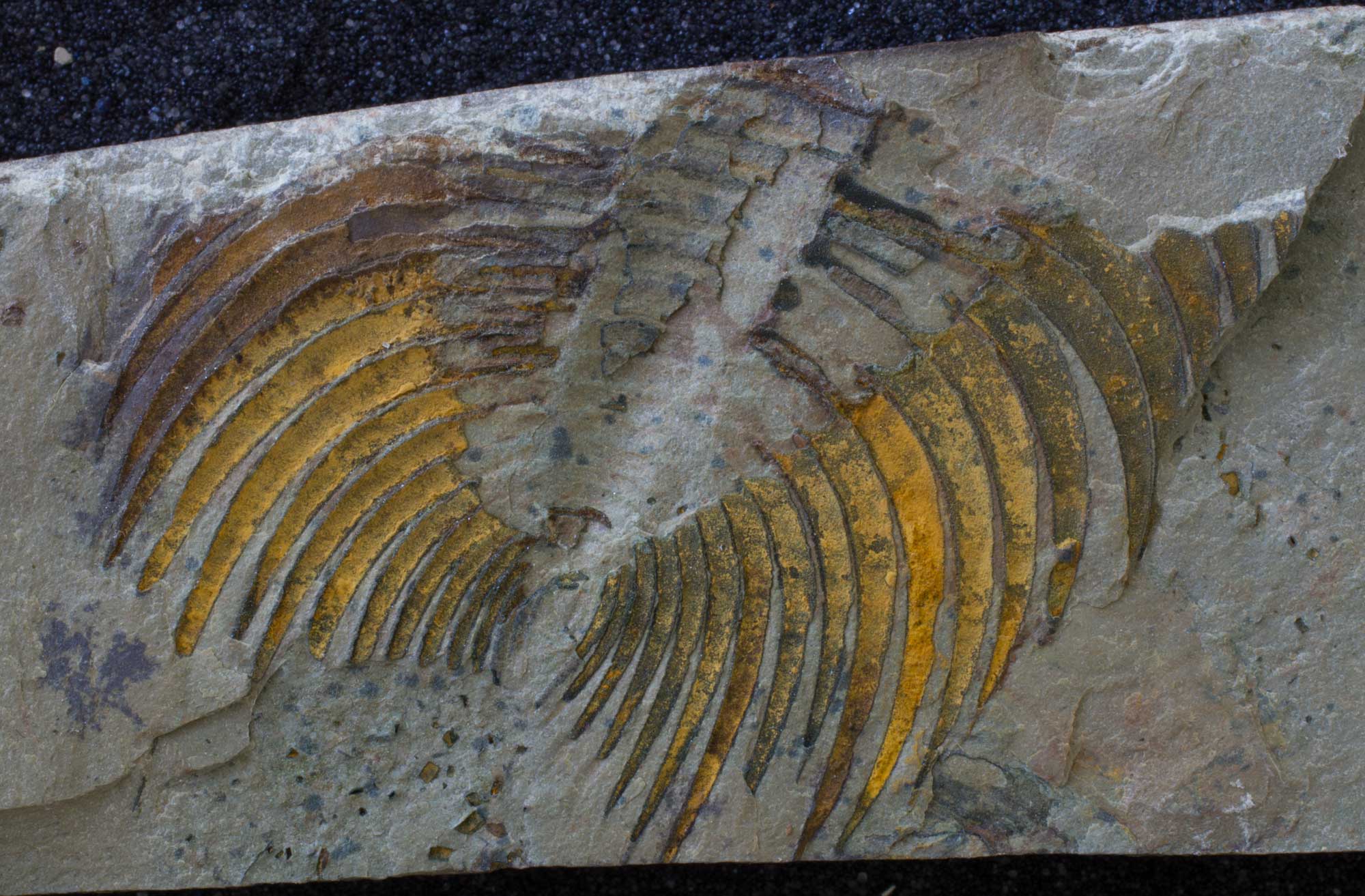
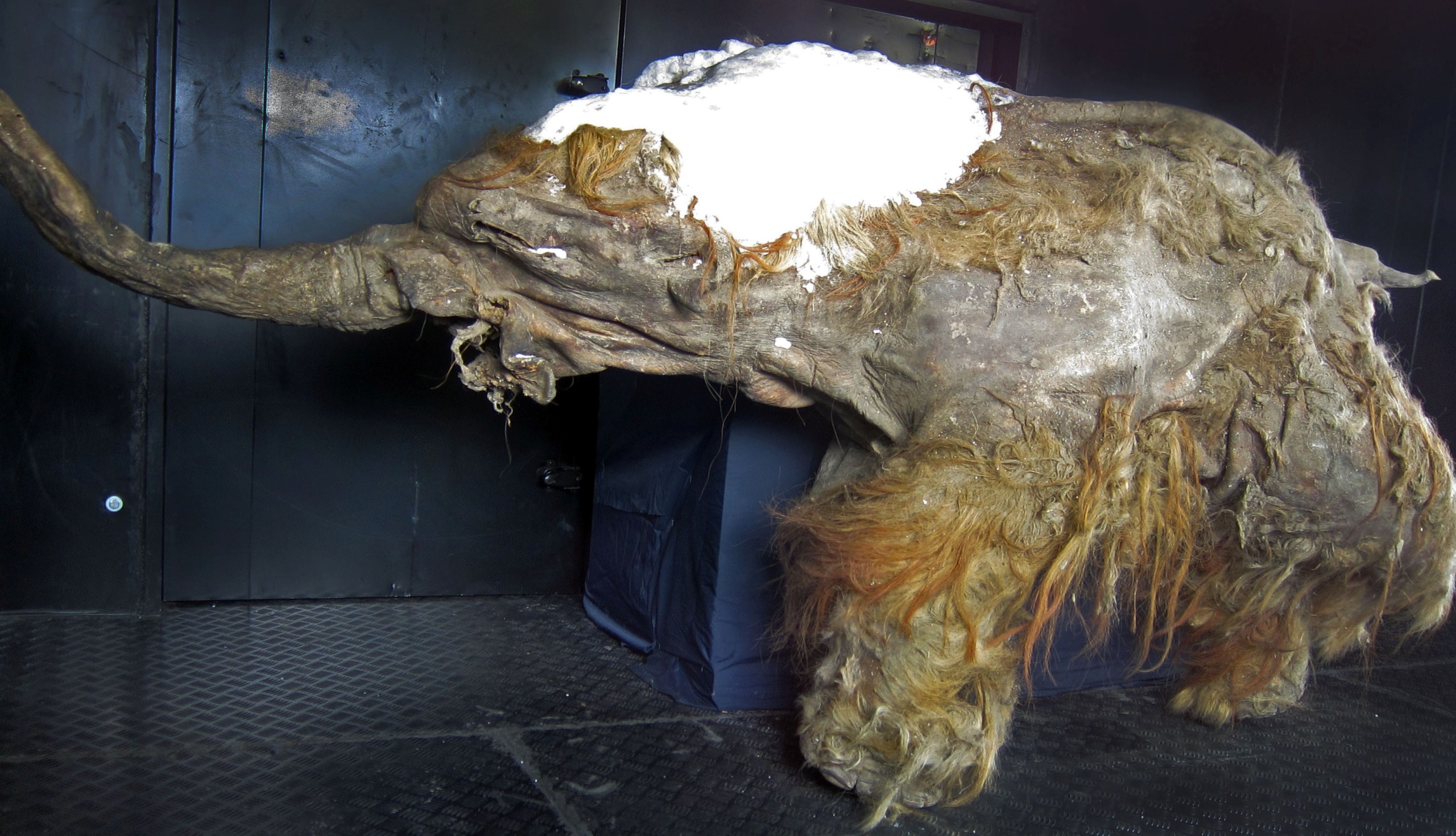
Ancient reef and seafloor fossils:


Major Insights from the Fossil Record
- Warm Periods — Eocene “hothouse” (~56–47 million years ago) with global temperatures ~14°C warmer than today, shown by tropical fossils in high latitudes.
- Ice Ages — Pleistocene glacial-interglacial cycles, tracked by foram isotopes and pollen shifts.
- Abrupt Changes — Events like the Paleocene-Eocene Thermal Maximum (PETM) caused rapid warming, revealed by microfossils and plant die-offs.
- Long-Term Trends — Fossils confirm natural drivers (e.g., orbital changes, CO₂ levels) but highlight that current warming rate is unprecedented.
Fossils not only document Earth’s climate history but also inform predictions about future changes. By understanding past responses to warming or cooling, scientists better model ecosystem shifts, sea-level rise, and biodiversity impacts today. For deeper dives, explore videos like What Fossils Reveal about Today’s Climate Change or How tiny fossils help us learn about the changing climate. Visiting natural history museums or sites with fossil-rich outcrops can bring these ancient stories to life!