The Future of Fossil Research and New Technology
Paleontology, the study of ancient life through fossils, is entering an exciting era driven by rapid technological advancements. While new fossil discoveries remain important, the real revolution lies in how scientists analyze, preserve, share, and interpret existing specimens. Emerging tools like advanced imaging, artificial intelligence (AI), 3D modeling, and digital infrastructure are transforming fossil research from a destructive, labor-intensive field into a non-invasive, data-rich, collaborative science. These innovations allow researchers to uncover hidden details, reconstruct evolutionary histories more accurately, and even apply paleontological insights to modern challenges like conservation and climate prediction.
Key Advancing Technologies Shaping the Future
1. Advanced Imaging and Non-Destructive Scanning
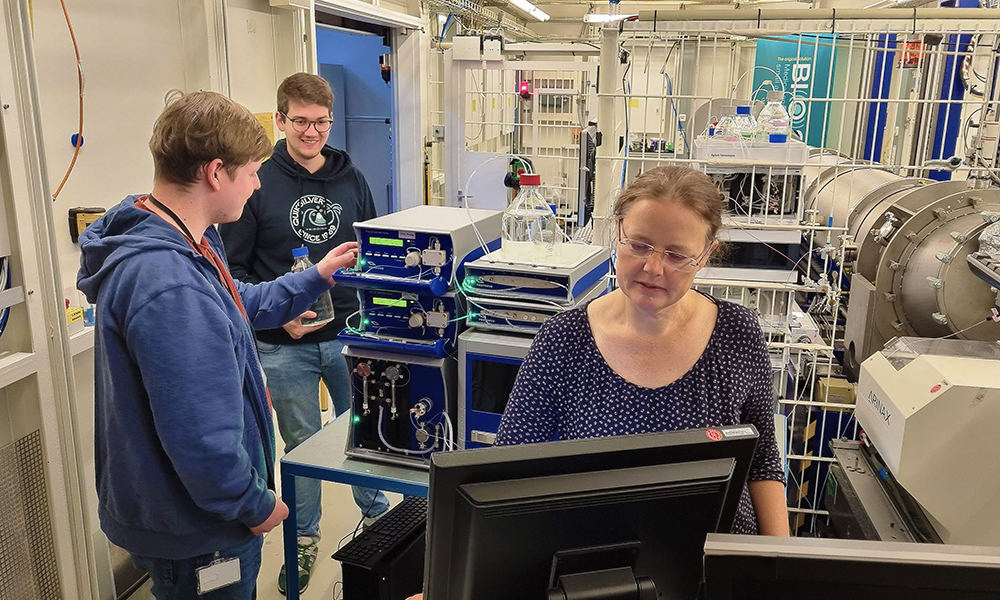
Techniques such as micro-CT (computed tomography) scanning, synchrotron X-ray imaging, and high-resolution 3D scanning enable scientists to peer inside fossils without breaking them open. These methods reveal internal structures like brain cavities, blood vessels, hearing organs, or soft tissues that were previously inaccessible.
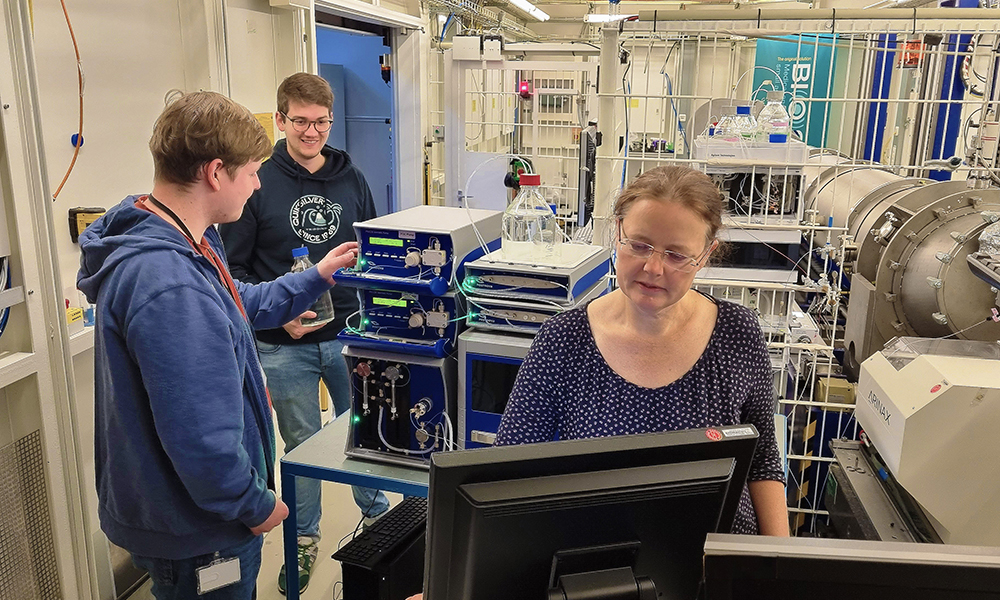
For example, CT scans have rewritten timelines for mammalian hearing evolution by showing detailed ear structures in 250-million-year-old fossils. Synchrotron facilities provide nanoscale resolution, combining physics with AI for unprecedented 3D reconstructions.
Here are visuals of CT scanning in fossil analysis:


2. 3D Scanning, Printing, and Digital Reconstruction
Low-cost 3D scanning apps and portable devices are digitizing fossil collections worldwide, creating virtual copies that never degrade. These digital models support virtual paleontology, allowing researchers to manipulate, measure, and share specimens globally without physical transport risks.
3D printing produces accurate replicas for museums, education, and research—enabling fragile originals to stay in storage while casts are displayed or studied. This technology also aids in biomechanical simulations and paleo-bioinspiration, drawing from ancient forms to inspire modern engineering.
Examples of 3D printed dinosaur reconstructions and models:


3. Artificial Intelligence and Machine Learning
AI analyzes vast datasets of fossil images, trackways, and scans to identify patterns, classify specimens, or predict fossil locations. Machine learning enhances image processing from scans, automates feature detection in complex fossils, and supports functional reconstructions of extinct animals.
Combined with remote sensing (e.g., drones for site surveys) and smartphone 3D apps, AI expands exploration frontiers, especially in remote or underexplored areas.
Illustrations of AI in paleontological analysis (conceptual applications):


4. Digital Infrastructure and Open-Access Databases
Community-driven, open-access databases are building a “digital fossil record” worth billions in research value. These platforms enable global collaboration, big-data analyses of evolutionary trends, and integration with climate models to inform future biodiversity conservation.
Paleontologists are reconstructing “fossilized functional diversity” to guide modern ecosystem restoration, while “paleo-bioinspiration” mines the fossil record (representing 99.9% of life’s history) for innovative solutions.
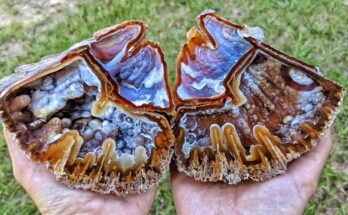
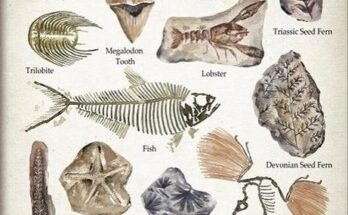
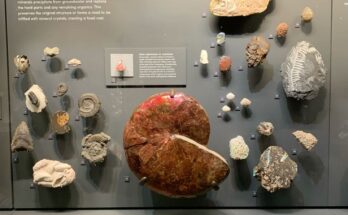
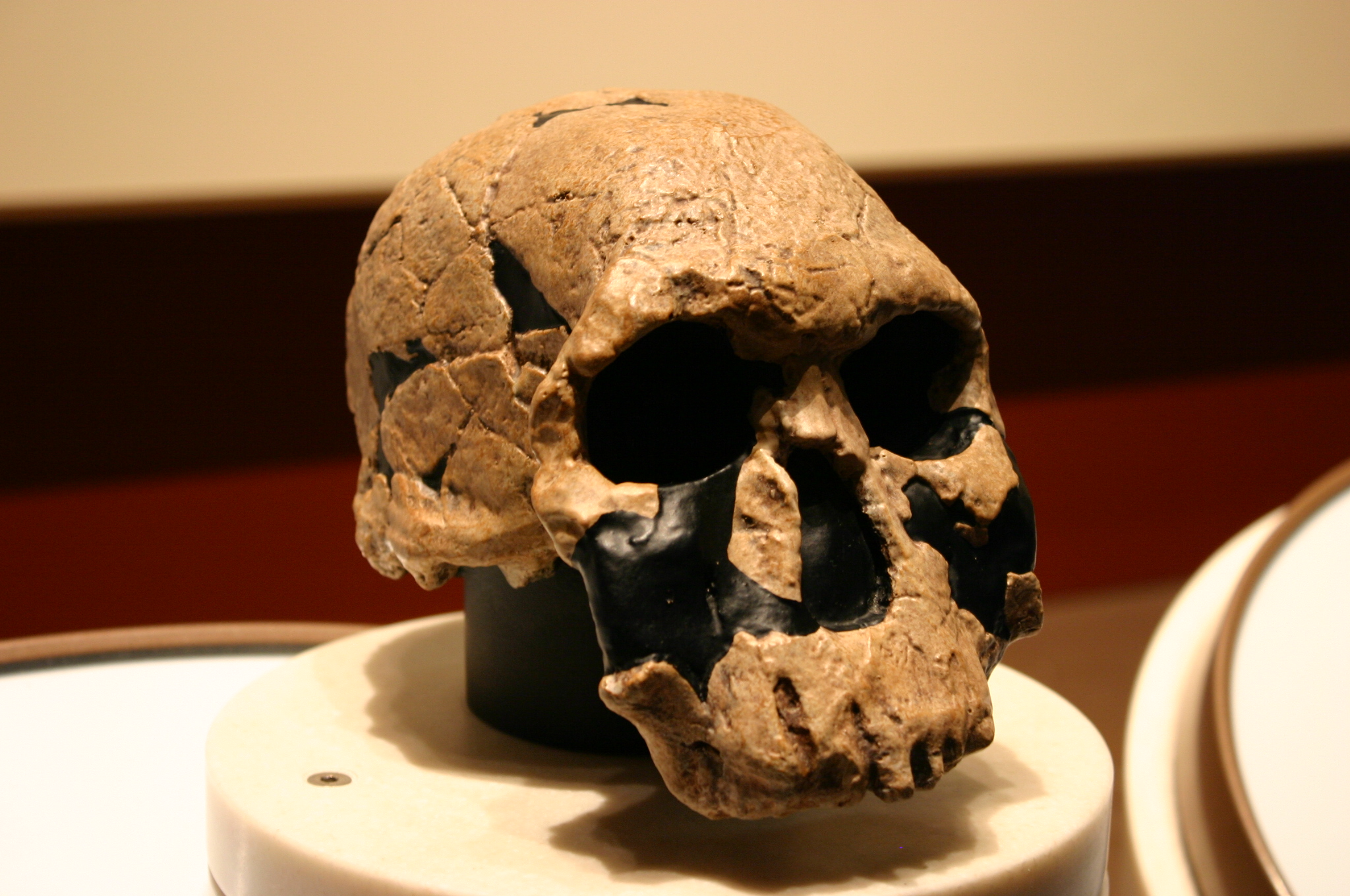
Additional fossil examples highlighting preserved details from new tech:


Field exploration with modern aids, like drones spotting dig sites:


Looking Ahead
The future promises even greater integration: fleets of low-cost scanners digitizing neglected collections, AI-driven discoveries of hidden patterns in the fossil record, and virtual reality experiences bringing extinct worlds to life. These advances not only accelerate scientific understanding but also democratize paleontology, making it more accessible and impactful for education, conservation, and interdisciplinary innovation.
As one recent perspective notes, paleontology is far more than new finds—it’s a vital tool for predicting and preparing for Earth’s future. With ongoing developments in 2025 and beyond, the field is poised to unlock even deeper secrets from our planet’s ancient past.