Types of Fossils and How Scientists Classify Them
Fossils are the preserved remains, impressions, or traces of ancient organisms that provide a window into Earth’s history. They form through various processes over millions of years, typically when organic material is buried quickly and protected from decay. Scientists study fossils to understand past life, environments, and evolutionary changes. Fossils are broadly classified into two main categories: body fossils and trace fossils, based on what they preserve. However, more detailed classifications consider the formation process, such as permineralization, carbonization, or molds and casts. Below, we’ll explore the key types of fossils, how they form, and the methods scientists use to classify them.
Main Categories of Fossils
1. Body Fossils
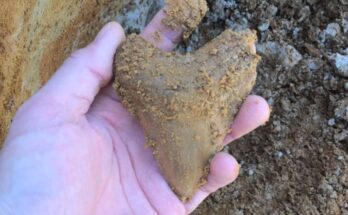
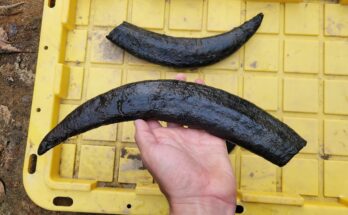
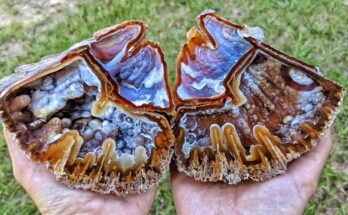
Body fossils are the direct remains of an organism’s physical structure, such as bones, shells, teeth, or leaves. These are the most common type people think of when imagining fossils, like dinosaur skeletons or ancient insect wings. They form when the hard parts of an organism are buried in sediment and gradually replaced or preserved by minerals.
Examples include petrified wood, where minerals like silica infiltrate and replace organic tissue, or amber-preserved insects, where tree resin hardens around the organism.
Here are some visual examples of body fossils:
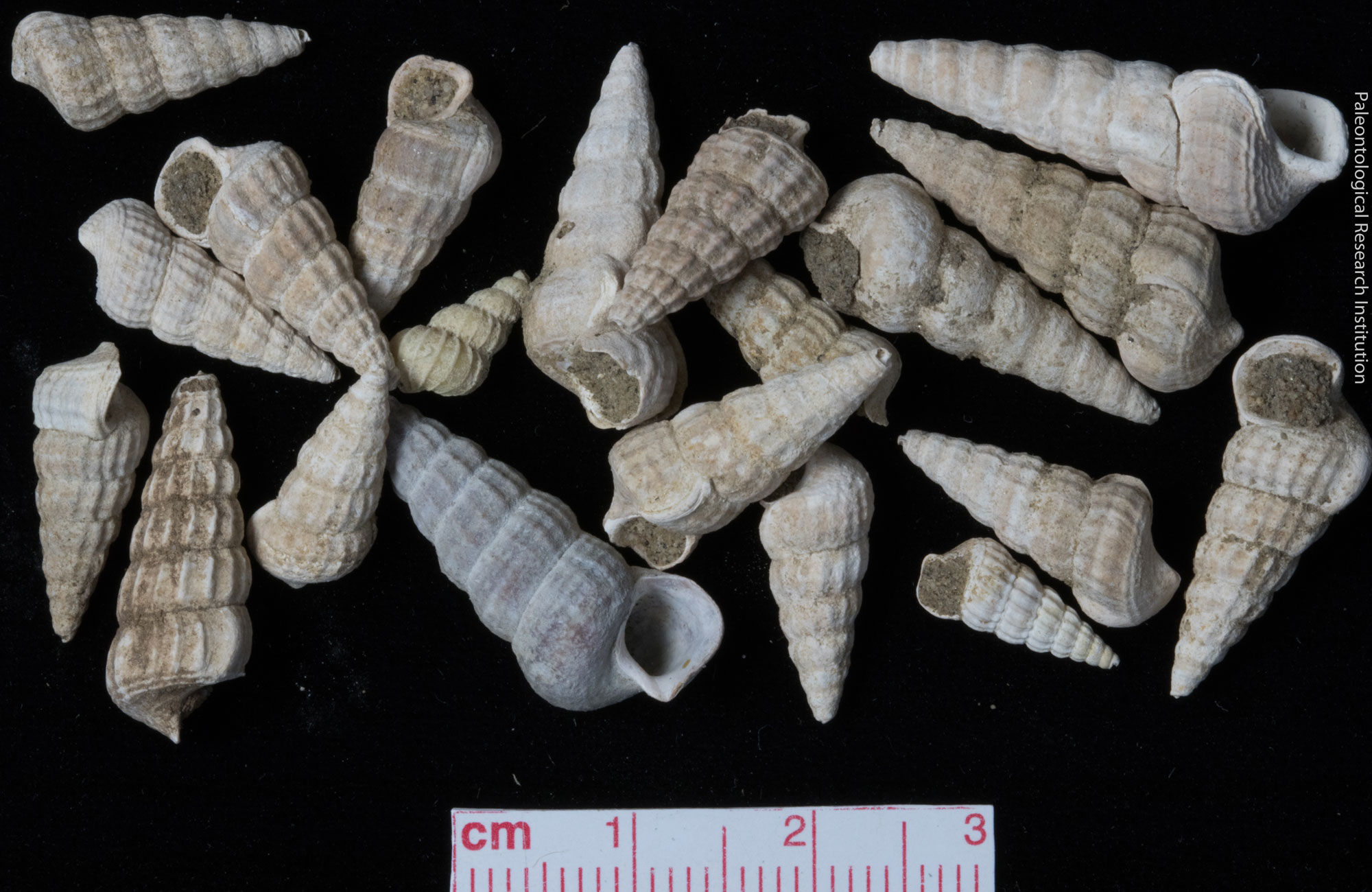

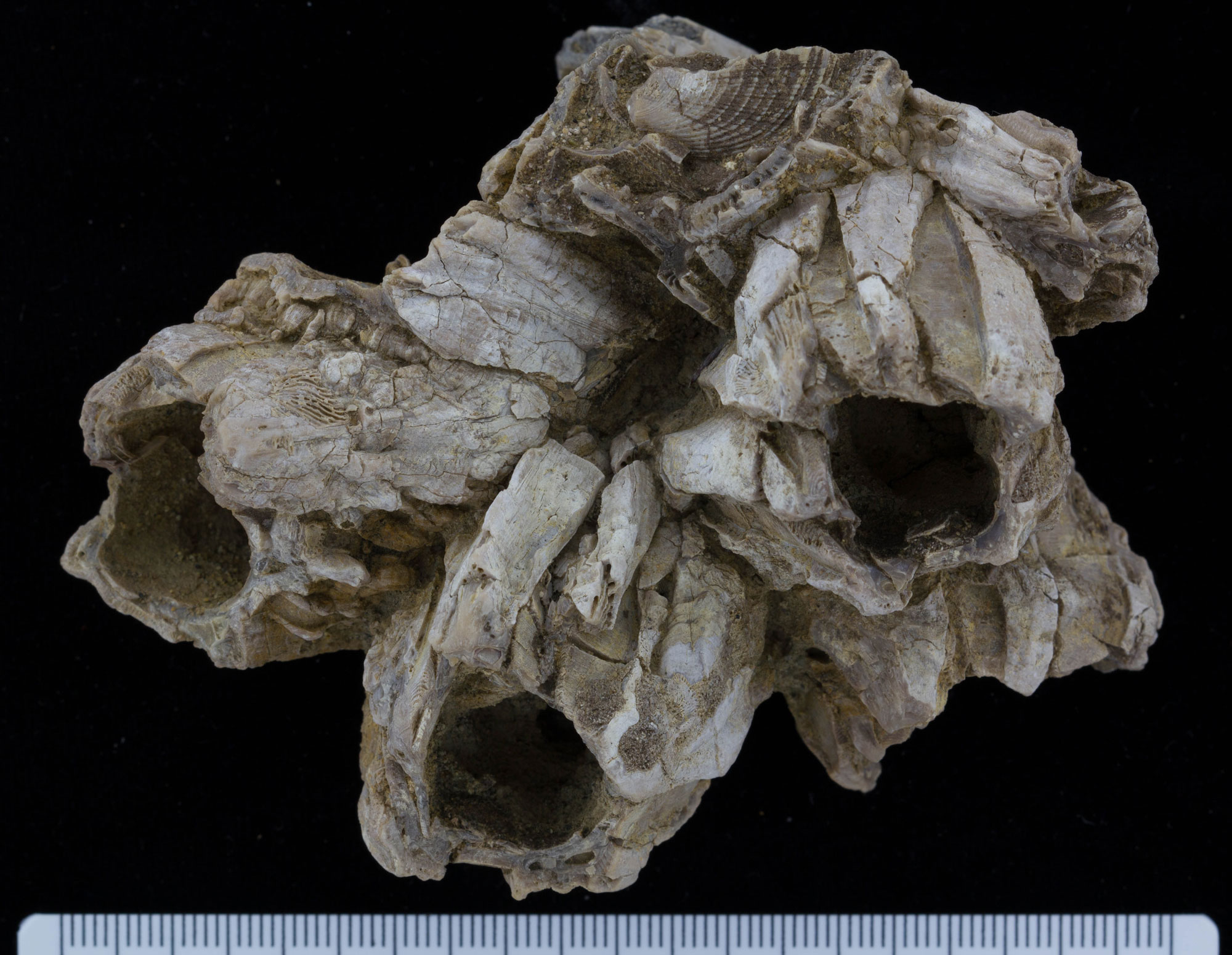
For a quick video overview of body fossils and their formation, check out this educational clip: Fossils 101 by National Geographic.
2. Trace Fossils (Ichnofossils)
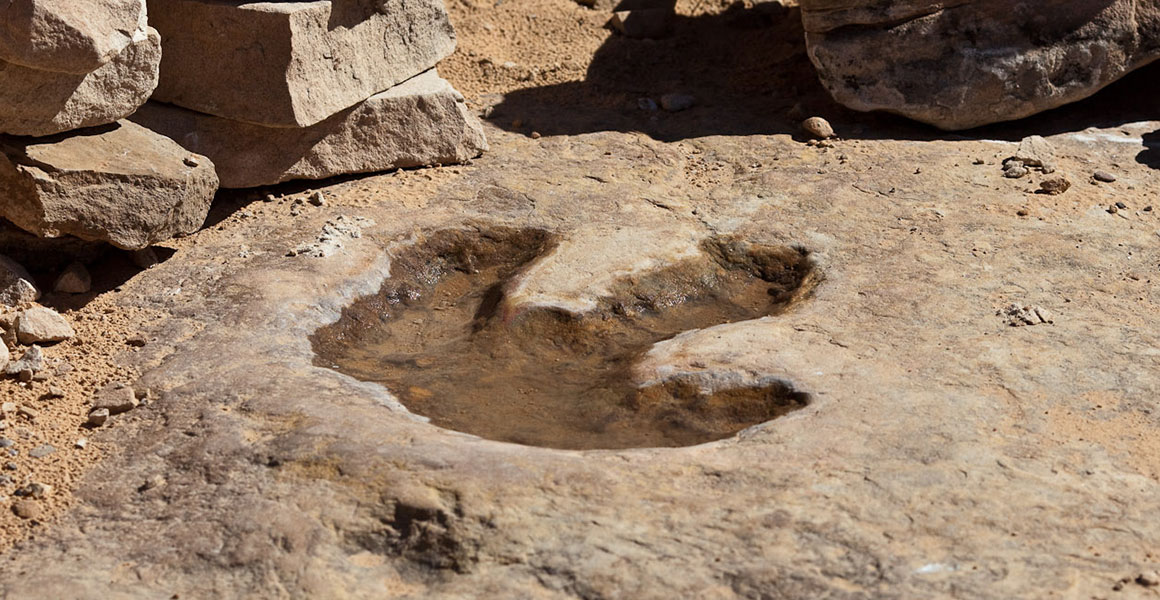
Trace fossils record the behavior or activity of an organism rather than its body. These include footprints, burrows, nests, or even bite marks. They provide insights into how ancient creatures moved, fed, or interacted with their environment, even if the organism itself isn’t preserved.
Trace fossils form when impressions in soft sediment harden over time, often filled with different materials. Famous examples are dinosaur tracks or worm burrows from ancient seabeds.
Visual examples of trace fossils:


Watch this video for more on trace fossils and their significance: Dinosaur Footprints: How Do They Form? (embedded in a Natural History Museum article, with a related video explanation).
Fossils Classified by Formation Process
Beyond the body/trace distinction, scientists often classify fossils based on how they were preserved. This helps in understanding geological conditions at the time. Here are some common types:
| Type | Description | Formation Process | Examples |
|---|---|---|---|
| Molds and Casts | A mold is a hollow impression left by an organism; a cast forms when sediment fills the mold. | Organism decays, leaving a cavity that’s later filled. | Shell molds in rock, or cast dinosaur bones. |
| Carbon Films (Carbonization) | Thin, carbon-rich residue from decayed organic material, often preserving fine details like leaves or fish. | Pressure and heat squeeze out volatiles, leaving a carbon outline. | Plant leaves from coal seams or fish impressions. |
| Petrified (Permineralized) Fossils | Organic material is replaced by minerals, turning it to stone while preserving structure. | Minerals in groundwater infiltrate pores in bones or wood. | Petrified wood or dinosaur bones. |
| Impression Fossils | Flat impressions of soft-bodied organisms on rock surfaces. | Burial in fine sediment without mineralization. | Leaf or jellyfish prints. |
| Preserved Remains | Rare, where the entire organism is intact, like in ice, tar, or amber. | Rapid burial in oxygen-poor environments. | Woolly mammoths in permafrost or insects in amber. |
Visuals for Formation-Based Types
- Mold and Cast Fossils:

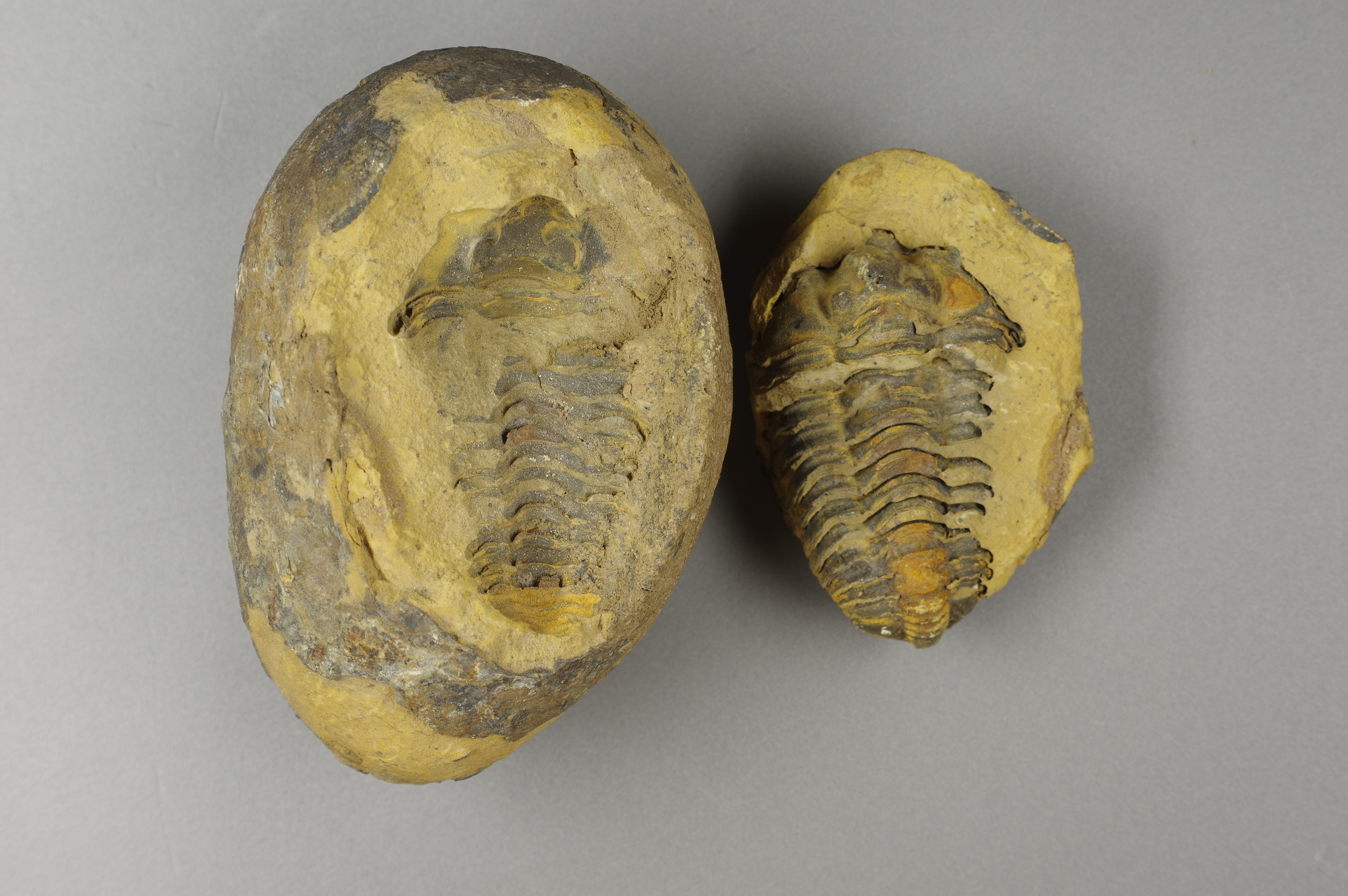

- Carbon Film Fossils:


- Petrified Fossils:


For a beginner-friendly video on these formation types, try: Fossil Types for Beginners.
How Scientists Classify Fossils
Scientists classify fossils using a combination of methods:
- Morphological Classification: Based on physical characteristics, fossils are grouped into taxonomic categories like genus and species, similar to living organisms (e.g., Tyrannosaurus rex). This follows Linnaean taxonomy.
- Stratigraphic Classification: By the rock layer (strata) where they’re found, which indicates age. Relative dating uses principles like superposition, while absolute dating employs radiometric methods.
- Paleoecological Classification: Grouping by ancient environments, such as marine vs. terrestrial fossils.
- Formation-Based Classification: As detailed above, focusing on preservation type to infer environmental conditions (e.g., carbon films suggest low-oxygen, swampy areas).
Common fossil groups include trilobites (arthropods), brachiopods (shellfish-like), corals, mollusks, and vertebrates like fish or dinosaurs. Transitional fossils, showing evolutionary links, are especially valuable.
Additional Videos for Deeper Learning
- What Are Fossils? Science for Kids – Great for basics on formation.
- Fossils for Kids – Explains types with fun visuals.
- The Fossil Record for Kids – Covers how fossils help track life’s changes.
- From X: Check this classroom demo video on rock layers and fossils posted by @CCAcademyEagles. Or this one on trace and body fossils in rocks by @TheMarshFox.
Fossils continue to reveal secrets about our planet’s past, from mass extinctions to evolutionary breakthroughs. If you’re interested in hunting your own, start with local geological surveys!