Art Mistakes: 7 Common Drawing Mistakes Beginners Make
Drawing is a rewarding skill, but beginners often encounter the same pitfalls that slow progress. Recognizing these common mistakes early can help you improve faster and build better habits. Here are 7 of the most frequent drawing errors new artists make, along with practical ways to avoid or fix them.
1. Relying on Symbols Instead of Observation
Many beginners draw what they think something looks like (e.g., symbolic eyes as almond shapes with dots, or trees as lollipops) rather than what they actually see. This leads to cartoonish or inaccurate results.
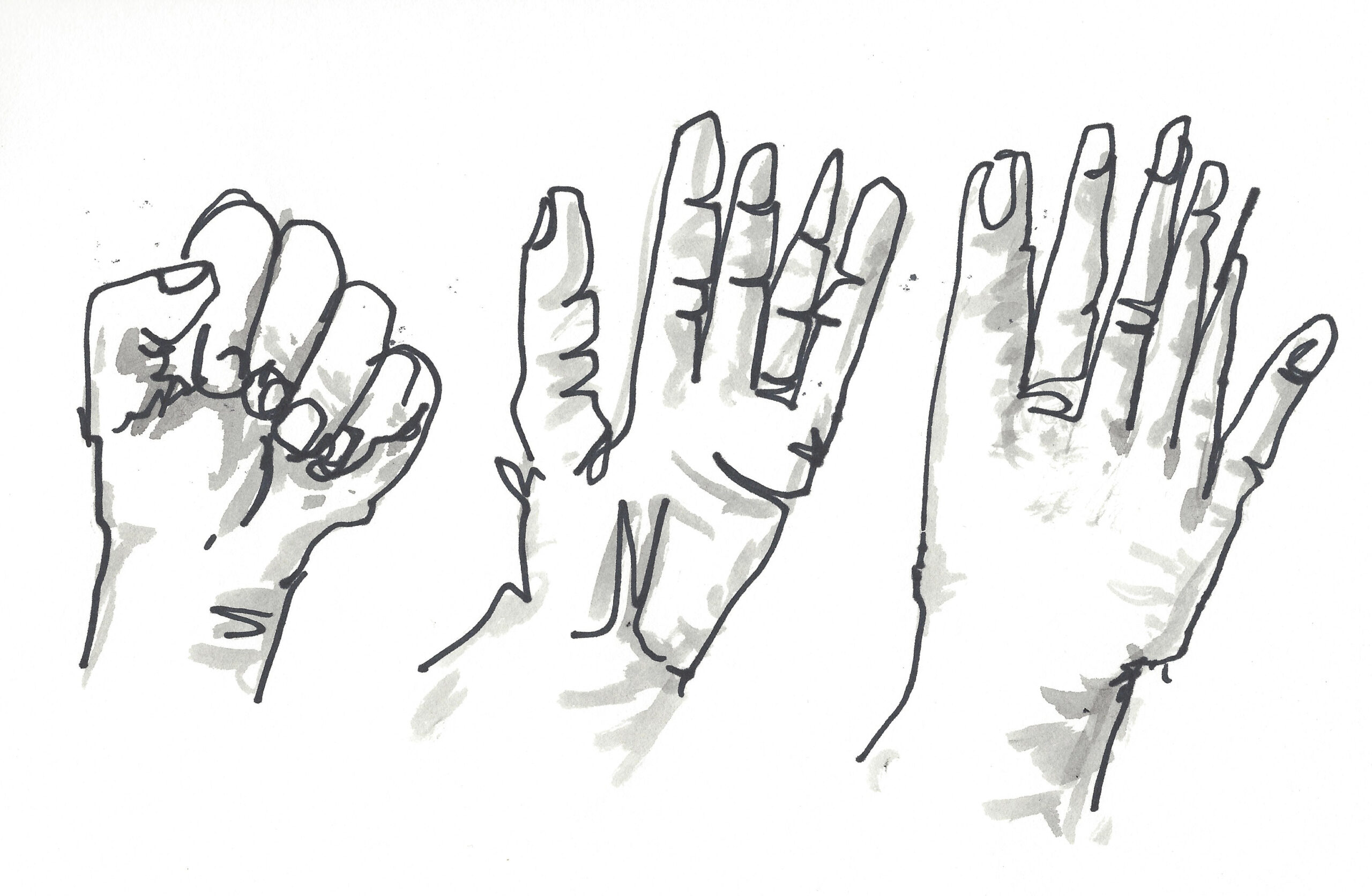
How to fix it: Practice observational drawing. Use references or draw from life, and focus on shapes, angles, and proportions. Try blind contour drawing to train your eye-hand coordination.
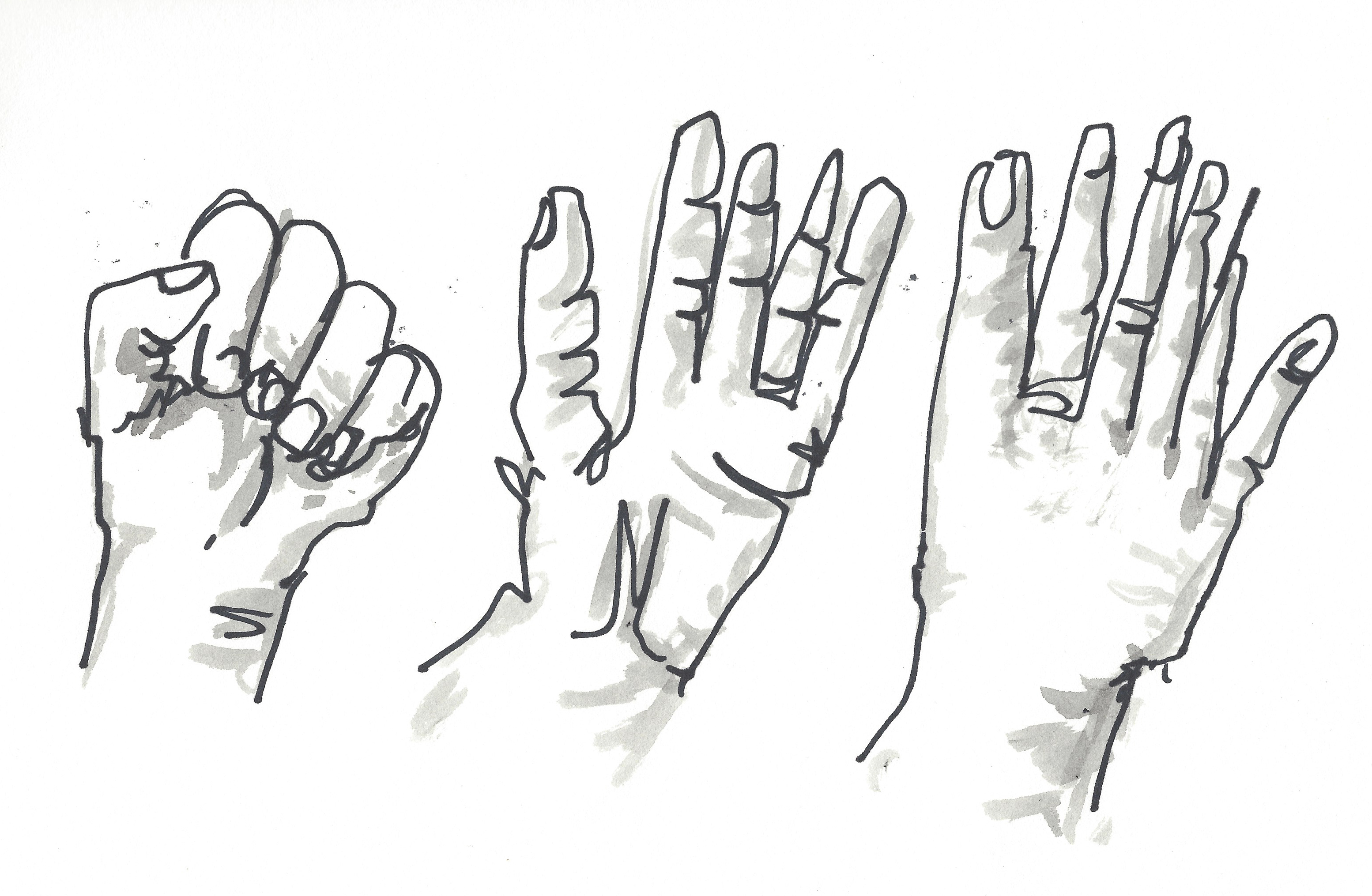
Example of blind contour hand drawings—notice how they capture form through observation without looking at the paper.
2. Poor Proportions and Measurement
Heads too big, limbs too short/long, or features misplaced—proportion issues are everywhere in beginner work.
How to fix it: Use measuring techniques like the pencil-and-thumb method or sighting angles. Start with basic construction lines (e.g., head as a unit of measurement). Check proportions constantly by flipping your drawing or using a mirror.
![6.5-Heads Tall Adult Female [Part 1] (2013) by Meekochan on DeviantArt](https://images-wixmp-ed30a86b8c4ca887773594c2.wixmp.com/f/adce3371-fa45-4bf4-b199-b7924be489a3/d72kj1p-2527fe44-bdb6-457c-9cc9-775b07a6157a.png?token=eyJ0eXAiOiJKV1QiLCJhbGciOiJIUzI1NiJ9.eyJzdWIiOiJ1cm46YXBwOjdlMGQxODg5ODIyNjQzNzNhNWYwZDQxNWVhMGQyNmUwIiwiaXNzIjoidXJuOmFwcDo3ZTBkMTg4OTgyMjY0MzczYTVmMGQ0MTVlYTBkMjZlMCIsIm9iaiI6W1t7InBhdGgiOiIvZi9hZGNlMzM3MS1mYTQ1LTRiZjQtYjE5OS1iNzkyNGJlNDg5YTMvZDcya2oxcC0yNTI3ZmU0NC1iZGI2LTQ1N2MtOWNjOS03NzViMDdhNjE1N2EucG5nIn1dXSwiYXVkIjpbInVybjpzZXJ2aWNlOmZpbGUuZG93bmxvYWQiXX0.46LUIOKXZoUhB0hNa2I1pm5t47KQzJI8q3x1vTX_l1M)
This figure proportion guide shows standard 6.5–8 heads tall for adults—use it as a reference to check your own work.
3. Using Hard, Stiff Lines and Outlining Everything
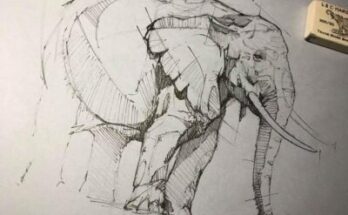
Beginners often press hard with the pencil from the start, creating rigid, tentative lines that make drawings look flat and overworked.
How to fix it: Start loose and light with gesture drawing. Use your whole arm for fluid lines, build up gradually, and embrace “sketchy” construction lines. Save darker, confident lines for later refinement.

Comparison showing stiff vs. more dynamic line work in sketches.
4. Ignoring Gesture and Basic Structure
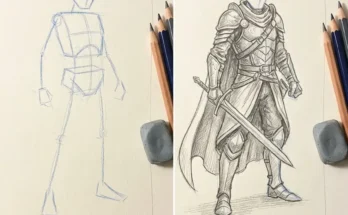
Jumping straight into details without capturing the overall pose or form results in stiff, lifeless figures.
How to fix it: Always begin with quick gesture sketches (30 seconds to 2 minutes) to capture energy and movement. Use simple shapes (beans, cylinders, spheres) for the underlying structure before adding details.
5. Neglecting Values and Shading Fundamentals
Drawings look flat because beginners use too few values, skip shading, or apply it inconsistently.
How to fix it: Study light and shadow early. Practice value scales and squint at your reference to simplify into light/mid/dark tones. Use hatching, cross-hatching, or blending to build form.
6. Choosing the Wrong Tools or Paper
Using cheap, toothy paper or the wrong pencil hardness leads to frustration and poor results.
How to fix it: Start with smooth sketch paper or Bristol board and a range of pencils (HB–6B). Experiment to find what suits your style—don’t fear “wasting” materials on practice.
7. Setting Unrealistic Expectations and Quitting Too Soon
Expecting masterpiece results immediately or comparing to pros discourages practice.
How to fix it: Embrace the learning process. Draw daily, even for 10–15 minutes. Track progress with a sketchbook timeline. Remember: improvement comes from consistent effort, not talent alone.
Bonus tip: Flip your drawing horizontally (digitally or with a mirror) frequently—it reveals hidden proportion and symmetry issues instantly.
These mistakes are normal and fixable with awareness and practice. Many experienced artists went through the exact same phase!
For more visual examples and demonstrations, check out these helpful resources:
- The #1 Drawing Mistake Made by Beginners Plus 7 More – Detailed breakdown from The Virtual Instructor.
- Most common DRAWING MISTAKES (and how to solve them) – DrawlikeaSir’s video full of practical fixes.
- 7 Beginner Drawing Mistakes You Need To Avoid – Step-by-step tips to level up quickly.
Keep drawing, stay patient, and enjoy the journey—every mistake is a step toward better art! 🎨