How Fossils Are Formed: From Living Organisms to Stone
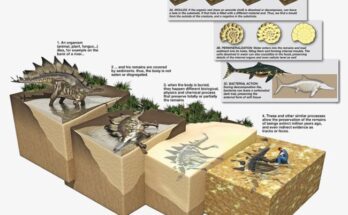
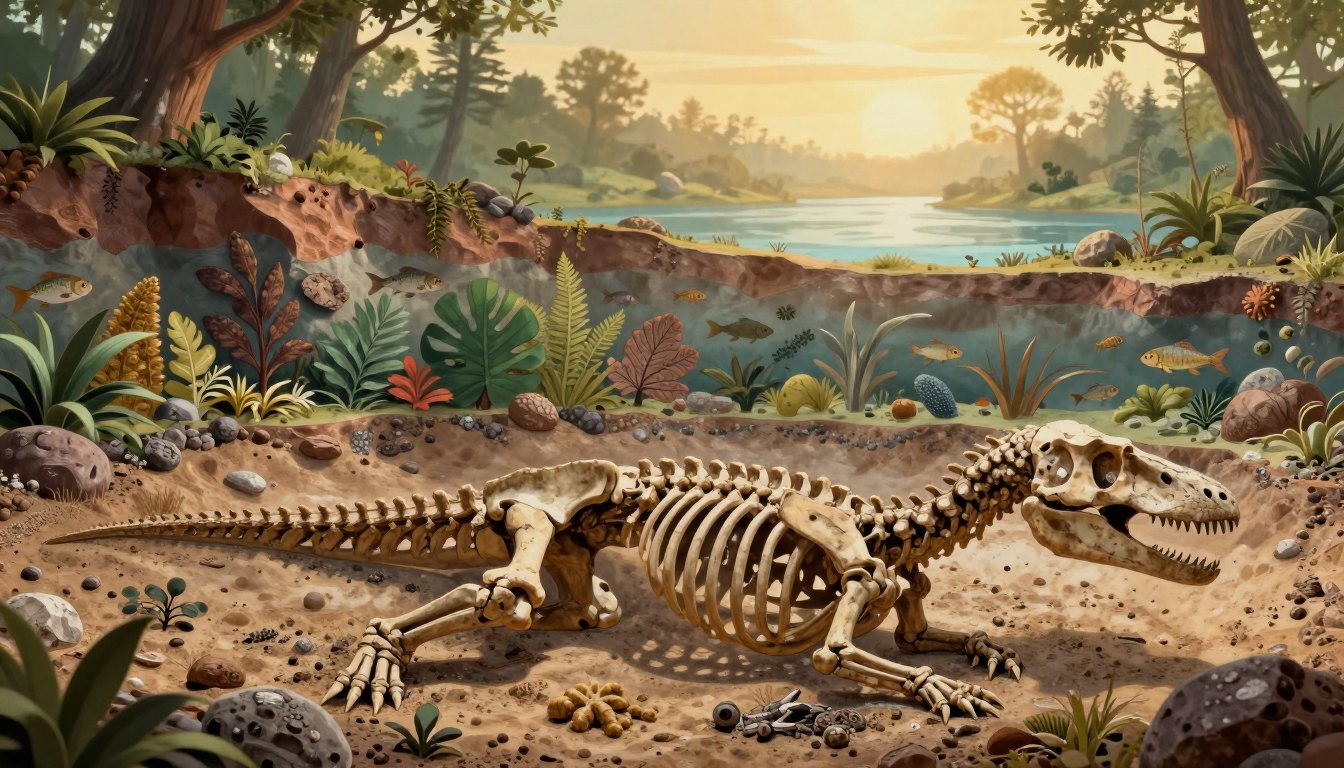
The process of fossilization is a complex and fascinating one, transforming living organisms into stone over thousands or even millions of years. It begins with the death of an organism, which then gets buried under layers of sediment, protecting it from scavengers and oxygen.

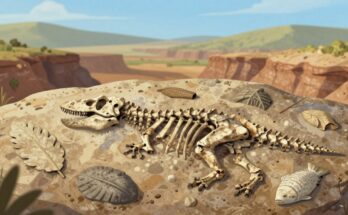
fossil formation
As more sediment layers accumulate, the pressure increases, and the organism’s remains undergo significant changes. Over time, the original organic material is replaced with minerals, creating a stone replica of the organism. This intricate process is a key area of study in paleontology, helping us understand the history of life on Earth.
Key Takeaways
- The fossilization process involves the transformation of living organisms into stone.
- Organisms must be quickly buried to protect them from scavengers and oxygen.
- Mineral replacement is crucial for creating a lasting fossil.
- Paleontology relies heavily on the study of fossils to understand Earth’s history.
- Fossil discovery provides valuable insights into the evolution of life.
What Are Fossils?
Fossils are remnants of ancient life forms that have been preserved over time. These remnants can include bones, leaves, or even tracks left behind by organisms that lived in the distant past. The study of fossils, known as paleontology, is a crucial aspect of understanding Earth’s history.
Definition and Basic Concepts
Fossils are the preserved remains or traces of animals, plants, and other organisms from the remote past. They are typically found in sedimentary rocks and can provide significant information about the history of life on Earth. The process of fossilization is complex and involves several stages, including burial, mineralization, and replacement. Fossils can range from tiny microorganisms to massive dinosaur bones, offering a glimpse into the diversity of life on our planet.
The Importance of Fossils in Understanding Earth’s History
Fossils play a vital role in understanding Earth’s history, providing evidence of past life forms and ecosystems. By studying fossils, scientists can reconstruct ancient environments and understand how life has evolved over time. The fossil record is a chronological record of the history of life on Earth, with fossils serving as a key indicator of the planet’s past climates, geological events, and the evolution of different species. This information is crucial for the field of paleontology, helping scientists to better understand the Earth’s history and the processes that have shaped our planet.
The Rare Conditions Required for Fossilization
For fossils to form, certain rare conditions must be satisfied, making the process of fossilization exceptionally uncommon. The journey from a living organism to a fossil involves several critical steps, each dependent on specific environmental circumstances.
Quick Burial: The First Critical Step
One of the primary conditions for fossilization is quick burial. When an organism dies, it must be rapidly buried by sediment to protect it from scavengers, oxygen, and other factors that contribute to decay. This swift burial helps preserve the organism’s remains, increasing the chances of fossilization.
Quick burial is crucial because it shields the organism from the elements and scavengers that would otherwise consume or destroy the remains. Environments such as river deltas, where sediment is frequently deposited, are conducive to this process.
Environmental Factors That Promote Preservation
Besides quick burial, various environmental factors play a significant role in promoting preservation. Low oxygen levels, for instance, significantly reduce the rate of decay, while the presence of minerals can aid in the replacement of original organic material, creating a more durable fossil.
A notable example of favorable environmental conditions is seen in amber preservation, where resin encases organisms, protecting them from external factors and allowing for exceptional preservation of even the most delicate structures.
| Environmental Factor | Role in Preservation |
| Low Oxygen Levels | Reduces decay rate |
| Presence of Minerals | Aids in replacement of organic material |
| Amber Encapsulation | Protects from external factors |
As highlighted by a renowned paleontologist, “The conditions required for fossilization are so specific that only a minute fraction of ancient life forms have been preserved.” This underscores the rarity and significance of fossil discoveries.
“The fossil record is a treasure trove of information about the history of life on Earth, but it’s a very incomplete record.”
The Science of Fossil Formation
Fossilization is a rare and intricate process that transforms the remains of ancient organisms into stone. This complex phenomenon involves several critical stages, from the death of an organism to its eventual transformation into a fossil.
From Death to Burial
The journey to becoming a fossil begins with the death of an organism. Quick burial is essential to protect the remains from scavengers, oxygen, and other factors that contribute to decay. Sediment such as sand or mud can rapidly cover the organism, creating an environment conducive to fossilization.
Rapid burial helps preserve the structure of the organism, increasing the chances of successful fossilization. This initial step is crucial in the fossil formation process.
Mineralization and Replacement
Once buried, the organism undergoes mineralization, where minerals from the surrounding sediment seep into the tiny spaces within the organism’s remains. Over time, these minerals can replace the original organic material, creating a fossil that is a replica of the ancient organism.
Mineralization and replacement are critical processes that help preserve the details of the organism, allowing scientists to study its morphology and gain insights into its evolution.
The Role of Time in Fossilization
Time plays a vital role in the fossilization process. The longer an organism is subjected to geological processes, the more likely it is to be transformed into a fossil. Prolonged exposure to pressure, temperature, and mineral-rich fluids can significantly impact the final outcome, resulting in a well-preserved fossil.
As
“Fossils are the preserved remains or traces of animals, plants, and other organisms from the remote past.”
The role of time in this process cannot be overstated, as it allows for the gradual transformation of organic remains into stone.
Types of Fossilization Processes
The formation of fossils involves several distinct processes that help preserve ancient organisms. These processes vary in their conditions and outcomes, resulting in a diverse range of fossils that provide insights into Earth’s history.
Permineralization: The Most Common Process
Permineralization is the most common method of fossilization. It occurs when mineral-rich water seeps through the sediment and deposits minerals into the tiny spaces within an organism’s remains, gradually replacing the original material. This process creates a detailed, three-dimensional fossil.
Examples of Permineralized Fossils
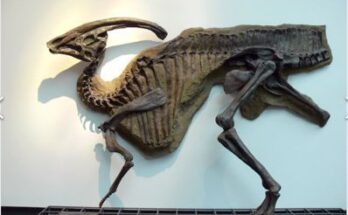
Examples of permineralized fossils include petrified wood and fossils of dinosaur bones. These fossils retain the original structure of the organism, providing valuable information about the past.

Permineralization Process
Molds and Casts
Molds and casts are another type of fossilization. A mold is formed when the original organic material decomposes, leaving a cavity in the surrounding rock. If this cavity is later filled with sediment or minerals, it creates a cast, which is a replica of the organism.
Carbonization and Compression
Carbonization occurs when the organic material is compressed, leaving behind a thin film of carbon. This process is common in fossils of leaves and other plant material. Compression often accompanies carbonization, where the weight of overlying sediment compresses the fossil.
Amber Preservation
Amber preservation is a unique form of fossilization where organisms are trapped in ancient tree resin. The resin hardens over time, protecting the organism from decay and preserving even the finest details.
Insects and Small Organisms in Amber
Insects and small organisms are often found preserved in amber. These fossils provide a glimpse into the lives of ancient creatures, with some specimens retaining their original color and morphology.
The Timeline of Fossil Formation
Fossil formation is a complex process that unfolds over various timescales, from the initial decay of organisms to the long-term changes that preserve them for millions of years. This intricate process involves multiple stages, each influenced by different environmental and geological factors.
Short-Term Changes
In the initial stages, decay and decomposition occur rapidly, often within decades or centuries. During this period, the soft tissues of organisms are consumed by scavengers, bacteria, and other decomposers, leaving behind harder structures like bones or shells. Quick burial can significantly enhance the chances of fossilization by protecting these remains from further degradation.
Medium-Term Processes
As time progresses to thousands of years, mineralization and other processes begin to play a crucial role. Groundwater rich in minerals seeps into the buried remains, gradually replacing the original organic material with minerals like calcite or silica. This process, known as permineralization, helps to preserve the detailed structure of the organism.
Long-Term Transformation
Over millions of years, the fossil undergoes further transformation due to geological processes such as tectonic activity and erosion. These forces can alter the fossil’s shape, orientation, and even its chemical composition. Despite these changes, well-preserved fossils can still provide valuable insights into the Earth’s history and the evolution of life.
Different Types of Fossils
Understanding the different types of fossils is crucial for unraveling the mysteries of the Earth’s history. Fossils are categorized into several types, including body fossils, trace fossils, and chemical fossils, each providing distinct information about ancient life forms and their environments.
Body Fossils
Body fossils are the remains of ancient organisms, such as bones, teeth, and shells. These fossils provide direct evidence of the existence of past life.
Bones, Teeth, and Shells
Bones, teeth, and shells are common examples of body fossils. They are typically preserved through processes like permineralization, where mineral-rich water seeps into the tiny spaces within the fossil, gradually replacing the original organic material.
Soft Tissue Preservation
In rare cases, soft tissues like skin and muscles can be preserved under exceptional conditions, offering a glimpse into the anatomy of ancient organisms.
Trace Fossils
Trace fossils are the signs of biological activity, such as footprints, burrows, and borings. These fossils provide insights into the behavior and ecology of ancient organisms.
Footprints and Trackways
Footprints and trackways are trace fossils that reveal information about the locomotion and movement patterns of ancient animals.
Burrows and Borings
Burrows and borings are trace fossils that indicate the presence of organisms that dug into sediment or wood, providing clues about their feeding habits and habitats.
Chemical Fossils
Chemical fossils are molecular remnants of ancient organisms, such as lipids and pigments. These fossils offer valuable information about the biochemical composition of past life forms.
Fossils, in their various forms, are essential for understanding the Earth’s history and the evolution of life. By studying these different types, scientists can reconstruct ancient ecosystems and gain insights into the conditions that supported life in the past.
Where Fossils Are Commonly Found
Sedimentary rocks are among the most significant sources of fossils globally. Fossils are remnants or traces of ancient organisms, and their discovery provides invaluable insights into Earth’s history. The formation of fossils is closely linked to the conditions under which sedimentary rocks are formed.
Sedimentary Rock Environments
Sedimentary rocks are formed through the accumulation and consolidation of sediments, often in environments like rivers, lakes, and oceans. These environments are conducive to the burial and preservation of organic matter, which is a critical step in fossilization. Key factors include rapid burial, low oxygen levels, and the presence of minerals that can replace original organic material.
Famous Fossil Sites Around the World
Several locations around the world are renowned for their fossil discoveries. For instance, the Burgess Shale in Canada is famous for its well-preserved Cambrian fossils, while the Jurassic Coast in the UK offers a continuous record of life from the Triassic to the Cretaceous period. These sites not only provide insights into ancient life forms but also contribute significantly to our understanding of Earth’s evolutionary history.
- The Burgess Shale, Canada
- The Jurassic Coast, UK
- The Hell Creek Formation, USA
Fossil-Rich Regions in the United States
The United States is home to numerous fossil-rich regions. The Badlands in South Dakota are known for their rich deposits of fossils from the Oligocene epoch, while areas in Utah, such as the Cleveland-Lloyd Dinosaur Quarry, have yielded significant dinosaur fossils. These regions are crucial for understanding the paleontological history of North America.
- Badlands, South Dakota
- Cleveland-Lloyd Dinosaur Quarry, Utah
- La Brea Tar Pits, California
From Discovery to Museum: The Journey of a Fossil
From the moment a fossil is unearthed, it begins a transformative journey that requires precision, patience, and a deep understanding of paleontology. This journey is not just about moving a fossil from one place to another; it’s about uncovering its secrets and sharing its story with the world.
Field Collection Techniques
Field collection is the first critical step in a fossil’s journey. It involves careful excavation and handling to prevent damage to the fossil. Paleontologists use a variety of tools and equipment to ensure that fossils are collected intact.
Tools and Equipment Used
Paleontologists employ a range of tools, from simple brushes and chisels to more complex equipment like GPS devices and drones, to locate and extract fossils. The choice of tool often depends on the type of fossil and its environment.
Documentation Methods
Documentation is crucial during field collection. Paleontologists record detailed notes, photographs, and GPS coordinates to provide context for the fossil. This information is vital for later analysis and for the fossil’s provenance.
Laboratory Preparation and Analysis
Once in the laboratory, fossils undergo preparation and analysis. This involves cleaning, stabilizing, and sometimes reconstructing the fossil. Advanced techniques like CT scans and stable isotope analysis are used to glean more information about the fossil.

fossil laboratory preparation
Dating and Classifying Fossils
Dating and classification are essential steps in understanding a fossil’s significance. Techniques such as radiometric dating help determine the fossil’s age, while morphological analysis aids in classification. This information is crucial for understanding the fossil’s place in the history of life on Earth.
| Technique | Description | Application |
| Radiometric Dating | Uses the decay rate of radioactive isotopes to determine age | Dating fossils |
| Morphological Analysis | Examines the shape and structure of fossils | Classifying fossils |
| Stable Isotope Analysis | Analyzes the isotopic composition of fossils | Understanding diet and environment |
Conclusion: The Enduring Legacy of Fossil Formation
The process of fossil formation is a complex and rare occurrence that has allowed us to glimpse into Earth’s history. Through the field of paleontology, scientists have been able to uncover the secrets of the past, revealing a wealth of information about the evolution of life on our planet.
Fossils serve as a window into the past, providing evidence of ancient ecosystems, climates, and life forms. The study of fossils has significantly contributed to our understanding of Earth’s history, from the emergence of the first life forms to the present day.
The fossil legacy is a testament to the dynamic and ever-changing nature of our planet. As we continue to explore and discover new fossils, we are reminded of the importance of preserving and protecting our natural heritage for future generations.
By understanding how fossils are formed and the significance of their legacy, we can gain a deeper appreciation for the field of paleontology and its role in shaping our understanding of the world around us.