How Fossils Are Preserved and Displayed in Museums
Museums serve as guardians of Earth’s ancient history, transforming fragile fossils discovered in the field into captivating exhibits that educate and inspire millions. The journey from excavation to public display involves meticulous preservation techniques, expert preparation, and thoughtful presentation. This process ensures that these irreplaceable pieces of the past remain protected for research while being accessible to visitors.
From Field to Lab: Initial Preservation
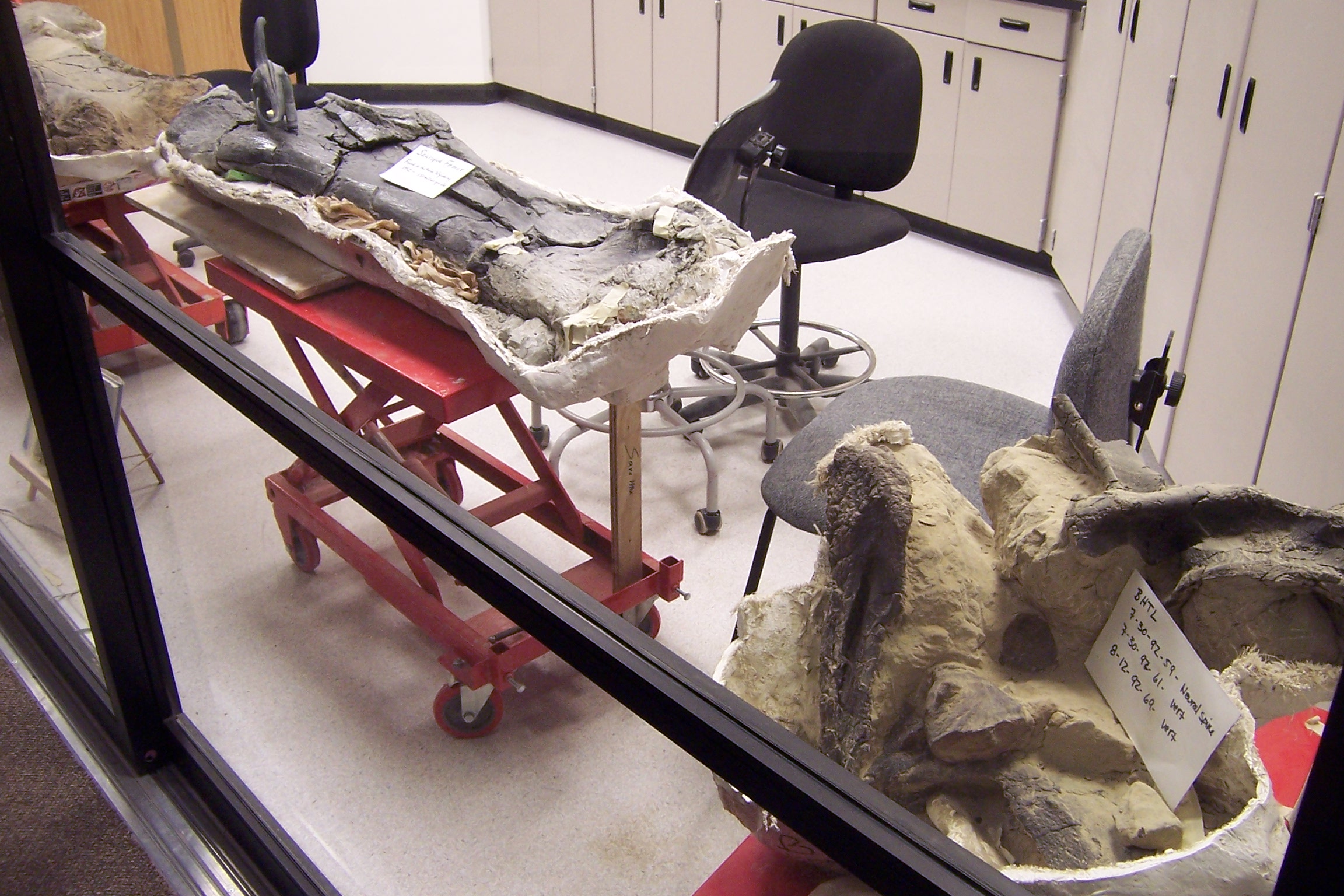
Fossils are often fragile when unearthed. In the field, paleontologists apply quick preservation by encasing specimens in plaster jackets—layers of plaster-soaked burlap wrapped around the fossil and surrounding rock (matrix) to prevent breakage during transport. This protective “field jacket” shields the specimen until it reaches a museum laboratory.
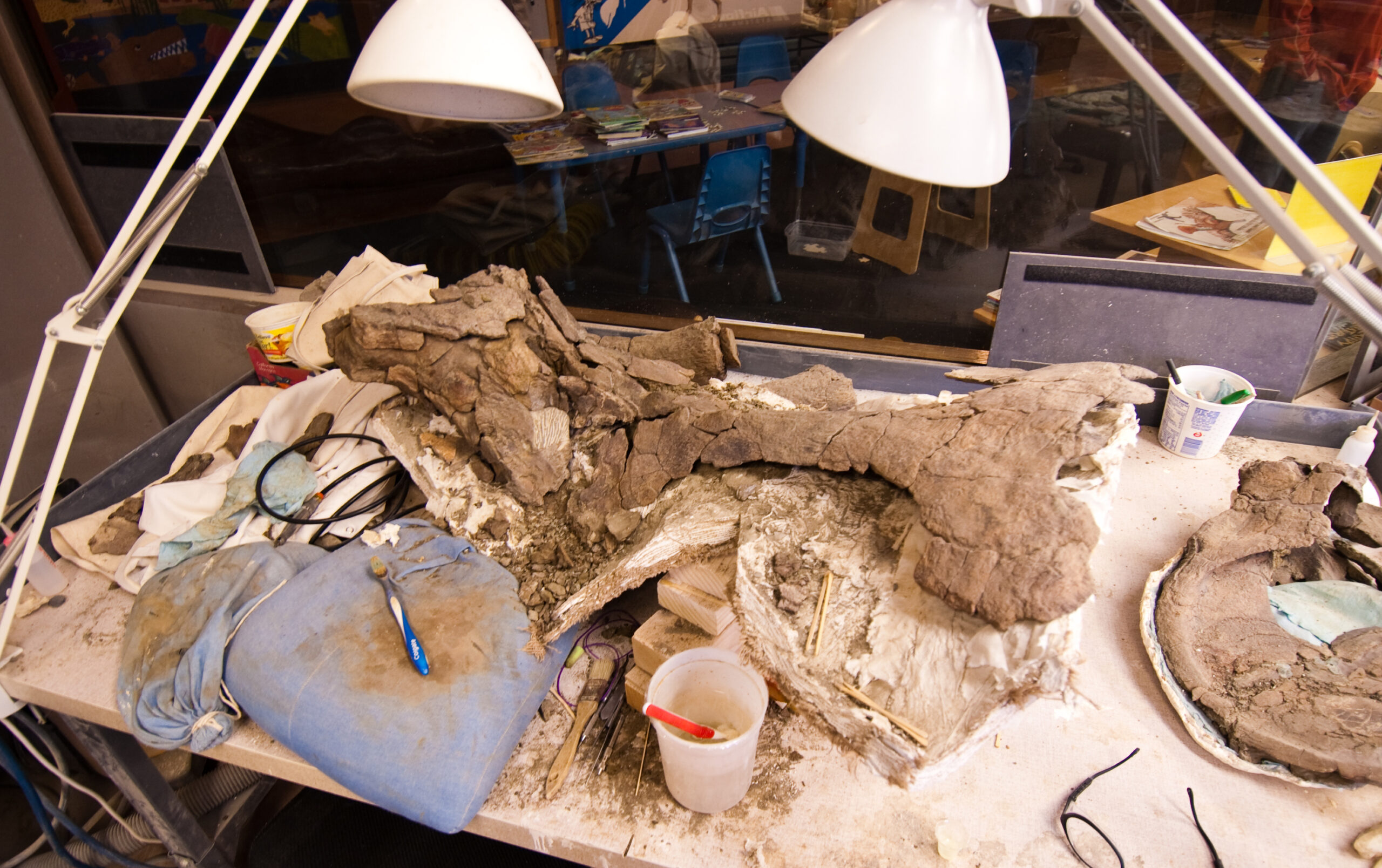
Once in the lab, fossil preparators begin the delicate work of preparation. Using tools like pneumatic air scribes, dental picks, brushes, and sometimes chemicals or micro-sandblasters, they carefully remove the matrix to reveal the fossil. The goal is to expose details without damaging the specimen. Consolidants (like resins or adhesives) are applied to strengthen fragile bones, ensuring long-term stability.
Here are some images of fossil preparation in museum labs:



For a closer look at this process, watch these educational videos:
- Fossils in rocks: how do we get them ready for display? – A behind-the-scenes look at removing rock from fossils.
- Inside the Smithsonian’s Fossil Prep Lab – Meet a preparator and see tools in action.
- Preparing Dinosaur Fossils | AMNH – American Museum of Natural History demo on jacket removal and cleaning.
Display Techniques in Museums
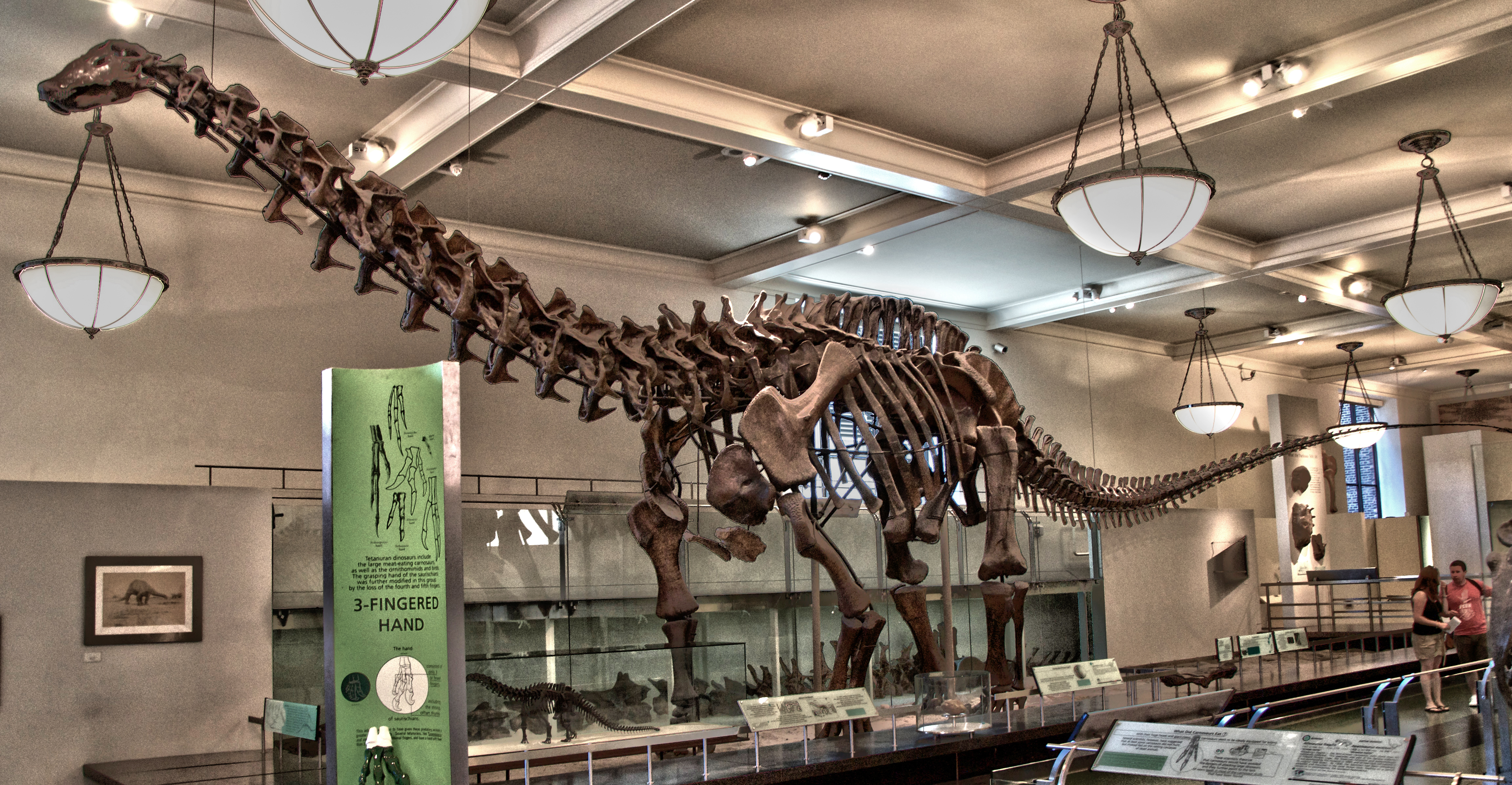
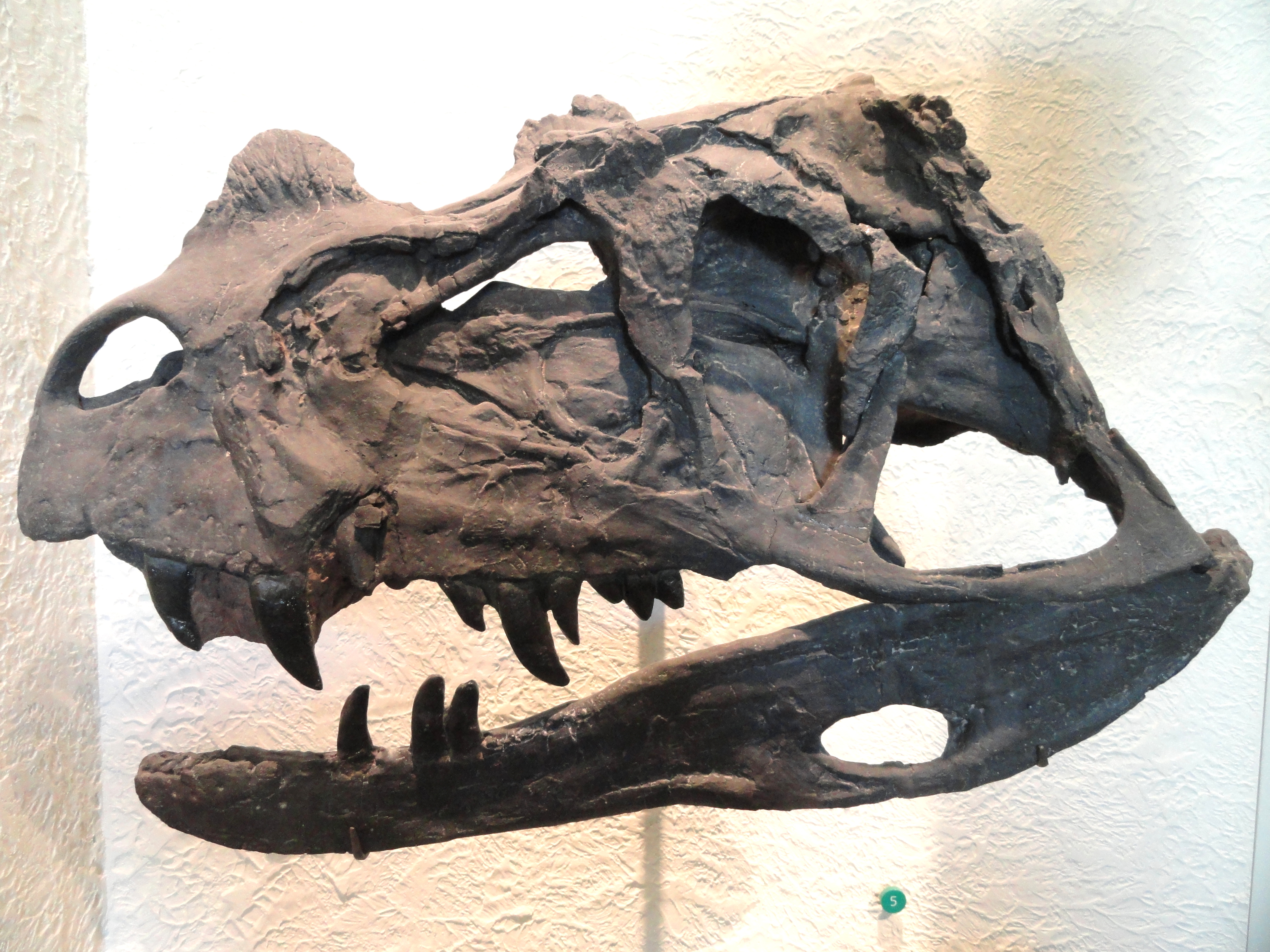
Once prepared, fossils are mounted for exhibition. Large skeletons (like dinosaurs) are often assembled using a metal armature—internal steel frameworks with custom supports—to hold bones in lifelike poses. Real fossils are heavy and fragile, so many displays use lightweight, high-fidelity casts (replicas made from molds of originals) for public viewing, while originals are stored safely for research.
Common display methods include:
- Mounted skeletons in dynamic poses to show movement.
- Glass cases for smaller fossils, amber inclusions, or delicate specimens.
- Dioramas combining fossils with reconstructed environments.
- Interactive exhibits with touchable casts or digital reconstructions.
Museums like the Smithsonian National Museum of Natural History, American Museum of Natural History (AMNH), Field Museum (home to SUE the T. rex), and Natural History Museum in London feature world-class fossil halls with dramatic lighting and interpretive signage.
Examples of stunning mounted dinosaur displays:




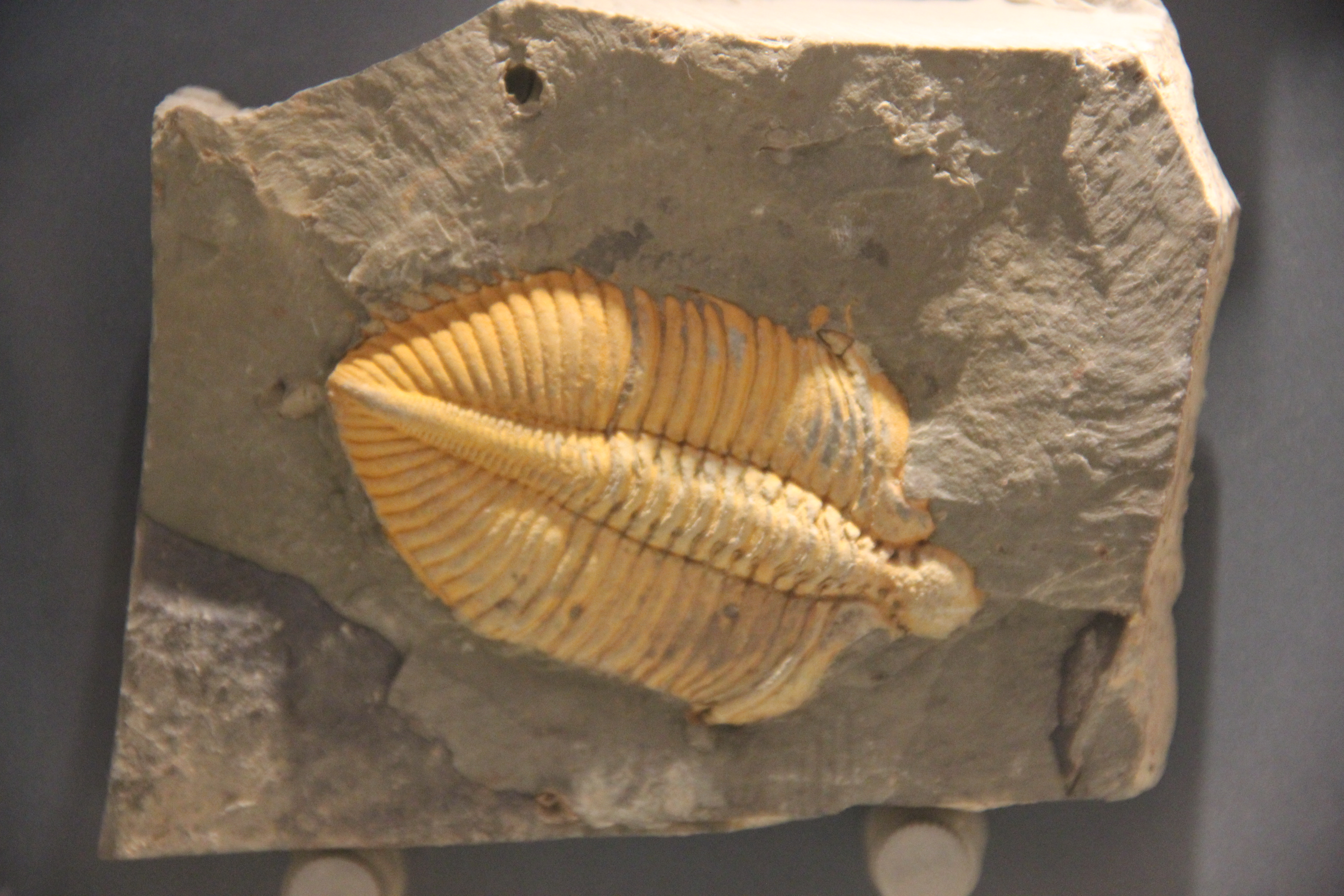
Specialized preservation displays, such as insects in amber or petrified wood:


Casts and molds on exhibit for comparison:
Additional videos to explore museum displays and preparation:
- Dinosaur bones: The journey from find to museum – Overview of the full process.
- Behind the Scenes in a Dinosaur Fossil Laboratory | AMNH – Curators explain lab work and mounting.
- How to Prepare a Fossil – Step-by-step fossil consolidation.
Museums balance preservation with public access through climate-controlled environments, UV-filtered lighting, and conservation protocols to protect fossils from deterioration. These exhibits not only showcase ancient life but also highlight ongoing scientific discovery. If you’re in a city with a natural history museum, visiting one is a great way to see these wonders up close!