Elasmotherium: The Giant Rhinoceros of the Ice Age
Introduction to Elasmotherium
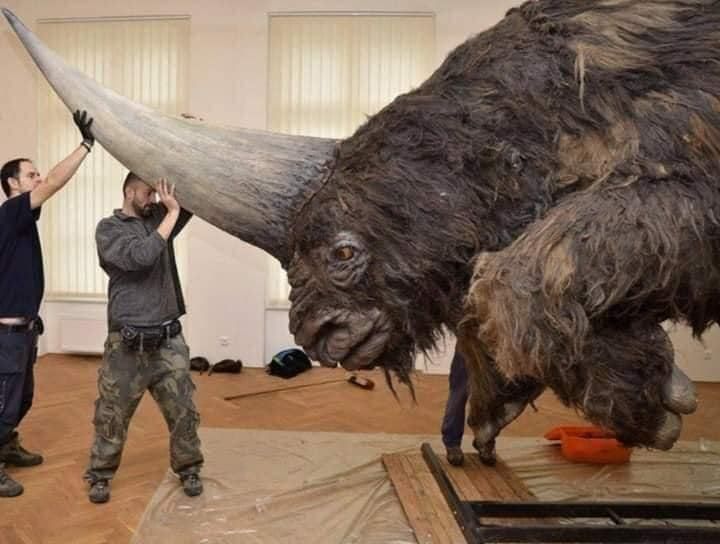
The image showcases a striking reconstruction or model of Elasmotherium, an extinct genus of rhinoceros known as the “Siberian Unicorn,” which roamed the Eurasian steppes during the Pleistocene epoch, approximately 2.6 million to 39,000 years ago. The scene depicts individuals handling a large, curved horn and assembling a detailed model with a thick, shaggy coat, suggesting a preparation process for a museum exhibit or scientific study. This detailed guide, crafted as a professional paleontological tutorial, explores the anatomy, taxonomy, and ecological significance of Elasmotherium, using the image as a foundation for educating enthusiasts and researchers about this Ice Age giant.
The model’s impressive size and the careful handling of its horn highlight its unique features and the ongoing interest in reconstructing this ancient mammal.
Taxonomy and Evolutionary Context
Elasmotherium is classified within the following taxonomic framework:
- Kingdom: Animalia
- Phylum: Chordata
- Class: Mammalia
- Order: Perissodactyla
- Family: †Rhinocerotidae
- Subfamily: †Elasmotheriinae
- Genus: †Elasmotherium (John Edward Gray, 1867)
- Species: Multiple, with E. sibiricum as the best-known species
First identified from fossils found in Siberia, Elasmotherium belongs to the elasmotheriine rhinoceroses, a group distinct from modern rhinos due to their large size and single prominent horn. This species thrived during the Pleistocene, coexisting with other megafauna like woolly mammoths and saber-toothed cats, and its extinction is linked to climate change and human activity.
Physical Description and Anatomy
The model in the image reveals several defining characteristics:
- Horn: The massive, single horn—up to 1.5–2 meters (5–6.5 feet) long based on fossil evidence and the image scale—is a key feature, likely composed of keratin over a bony core. This structure, held by the individuals, suggests it was used for defense, foraging, or display.
- Body Structure: The thick, shaggy coat indicates adaptation to cold Pleistocene environments, with a robust body estimated at 4.5–6 meters (15–20 feet) in length and weighing up to 5 tons.
- Limbs: The sturdy limbs, partially visible, supported its massive frame, suggesting a grazing lifestyle on tough steppe vegetation.
- Skull and Face: The broad skull, inferred from related fossils, housed powerful jaw muscles for grinding grasses, with the model’s facial features reflecting a rhinoceros-like appearance.
The workshop setting, with protective covering and tools, indicates active assembly or restoration.
Habitat, Diet, and Paleobiology
Elasmotherium inhabited the open grasslands and tundra-steppe regions of Eurasia, from Eastern Europe to China. Its diet consisted of coarse grasses and shrubs, processed by high-crowned teeth adapted for grazing. The thick fur, as depicted in the model, suggests it endured harsh Ice Age winters, possibly migrating seasonally.
The large horn may have served multiple purposes: digging through snow for food, defending against predators like cave lions, or establishing dominance during mating. Its solitary or small-group behavior is inferred from fossil distribution patterns.
Discovery and Preservation
Fossils of Elasmotherium were first documented in the 19th century, with significant finds in Russia and Kazakhstan. The specimen in the image is likely a reconstructed model, possibly based on skeletal remains and artistic interpretation of soft tissue. Preservation in permafrost or loess deposits allowed for the retention of bone and horn fragments, with modern models built using 3D printing and sculpting techniques.
Scientific and Educational Significance
Elasmotherium provides critical insights into Pleistocene megafauna and the impact of climate change on large mammals. Studies of its horn structure and dental wear inform debates about its lifestyle, while its extinction around 39,000 years ago aligns with human expansion and environmental shifts. The model’s preparation underscores its value for educational displays, engaging the public in Ice Age paleontology.
Conclusion: A Glimpse into the Ice Age
The Elasmotherium model captures the majesty of a giant rhinoceros that once roamed the Pleistocene steppes. The ongoing assembly process reflects active efforts to bring this ancient creature to life for study and exhibition. For enthusiasts, visiting museums with Ice Age exhibits or participating in paleontological reconstruction projects can deepen understanding. This guide serves as a foundation for exploring Elasmotherium, encouraging further research into its ecological role.
Pro Tip for Aspiring Paleontologists: When studying rhinoceros fossils, measure horn curvature and tooth wear to infer behavioral adaptations and dietary preferences.