Harnessing the Golden Ratio and Fibonacci Spiral for Perfectly Balanced, Aesthetically Pleasing Character Poses

The Golden Ratio (approximately 1:1.618, often denoted by the Greek letter φ) and its visual expression—the Fibonacci Spiral—have been used by artists, architects, and designers for centuries to create compositions that feel naturally harmonious, elegant, and visually captivating. From Leonardo da Vinci’s Vitruvian Man and the Parthenon to modern photography, graphic design, and yes—even anime and fantasy character art—this timeless proportion continues to guide the eye in a way that simply feels right.
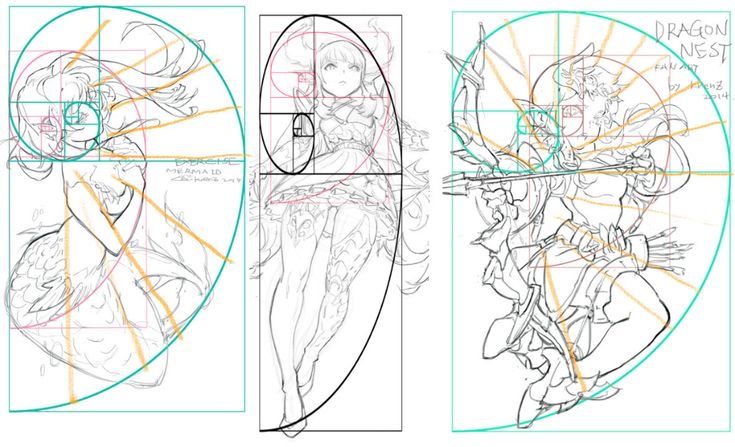
In this detailed tutorial, we’ll break down how professional artists apply the Golden Ratio and Fibonacci Spiral during the construction phase of character design. The reference sketches show three beautiful examples of this technique in action: flowing hair, elegant full-body poses, and dynamic action stances, all overlaid with precise golden section guides, arcs, and spirals.
Whether you’re drawing anime heroines, fantasy warriors, or any stylized character, learning to integrate these mathematical tools will dramatically improve your sense of proportion, flow, balance, and visual impact.
Why the Golden Ratio Feels So “Right” in Art
The Golden Ratio appears throughout nature (nautilus shells, flower petals, human body proportions, hurricanes) and creates a pleasing sense of growth, rhythm, and harmony. When applied to figure drawing:
- Major body landmarks (head, shoulders, hips, knees, feet) often align with key divisions.
- Curves (hair, capes, tails, limbs) follow the graceful sweep of the spiral.
- The overall silhouette gains a natural sense of movement and energy.
Here are some classic examples of the Fibonacci spiral and Golden Ratio used in art and nature for visual reference:
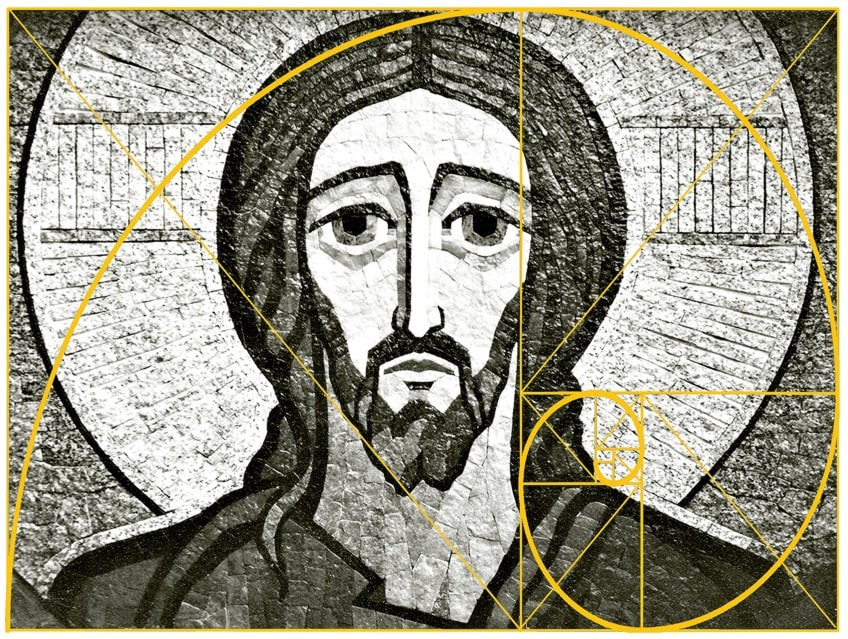
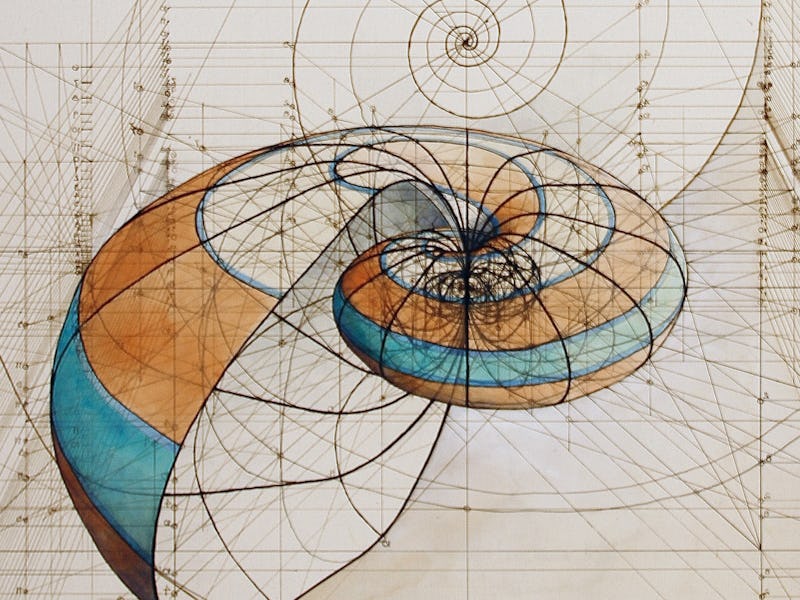
These show how the spiral elegantly guides the eye through organic forms—exactly what we aim to achieve in character design.
Step-by-Step: How to Construct a Character Using the Golden Ratio & Spiral
Tools Needed
- Paper or digital canvas
- Basic construction tools: ellipse, circle, straightedge
- Golden Ratio calipers, Phi grid, or overlay template (many digital programs have built-in golden ratio guides)
- Reference pose or imagination!
Step 1: Establish the Major Axis & Bounding Shape
- Decide on the overall pose and energy direction (standing tall, dynamic lunge, flowing recline).
- Enclose the figure in an ellipse or oval that represents the “energy envelope” of the pose.
- This oval often follows golden proportions: height-to-width ≈ 1.618:1 or similar.
Step 2: Place the Head & Key Landmarks Using Phi Divisions
- Position the head near the top of the oval.
- Divide the major axis (height) using the golden ratio repeatedly:
- Total height → cut at φ point for shoulders/chest.
- Remaining segment → cut again for waist/hips.
- Continue down to knees, ankles, feet.
- Many artists place the navel or hips at the golden section of the total height.
Step 3: Align Torso, Pelvis, and Limbs with Diagonal Golden Lines
- Draw diagonal lines at the golden angle (≈137.5°) or use intersecting arcs.
- Shoulders, elbows, wrists, hips, knees often land on these intersections.
- The ribcage and pelvis tilt in opposite directions for contrapposto—use golden diagonals to control the angle.
Step 4: Flow Hair, Clothing & Accessories Along the Fibonacci Spiral
- Start the spiral from the center of interest (usually the face or focal point).
- Let major curves (hair strands, cape billows, weapon arcs, tail sweeps) follow the spiral’s natural growth.
- This creates effortless rhythm and directs the viewer’s eye through the composition.
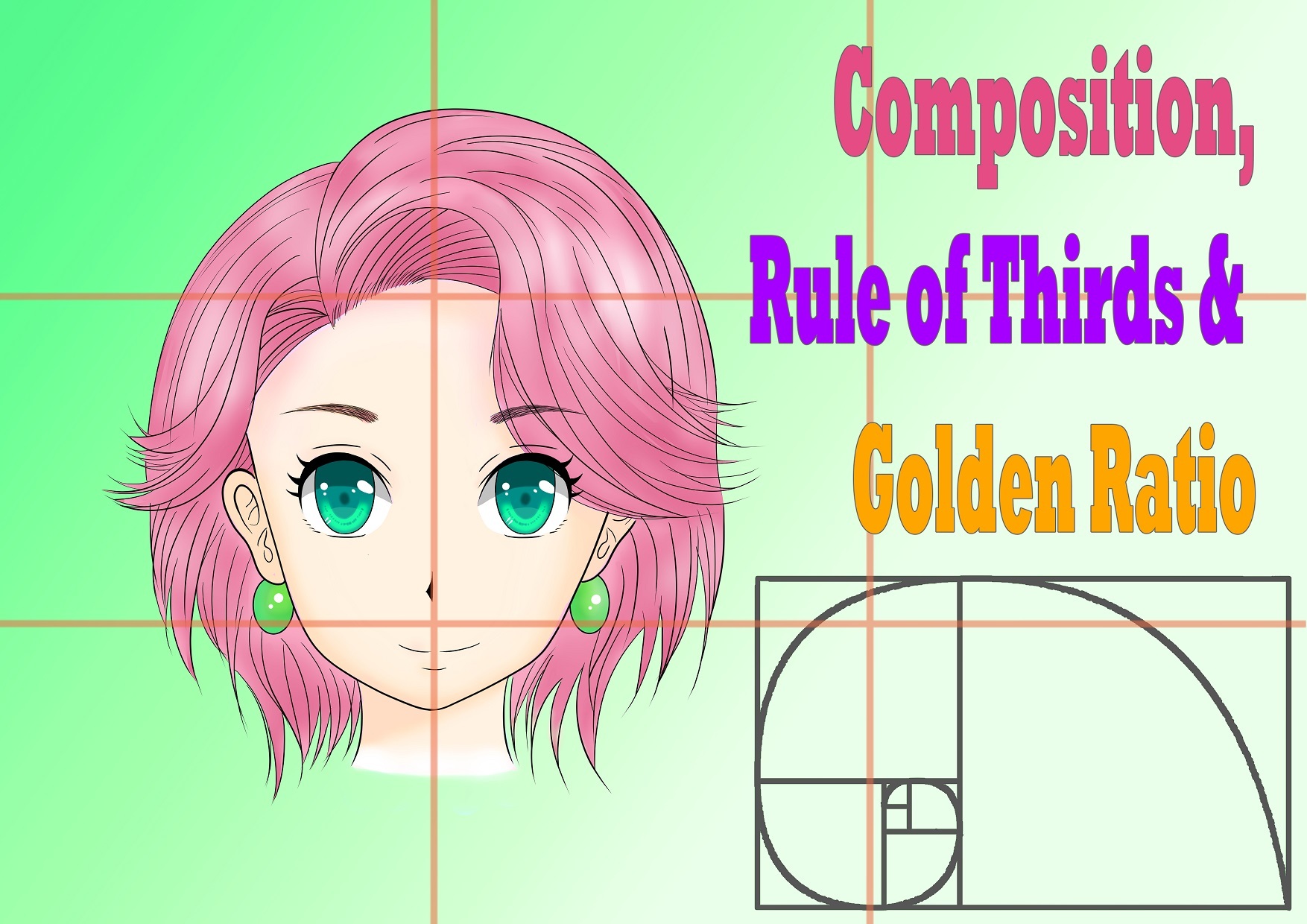
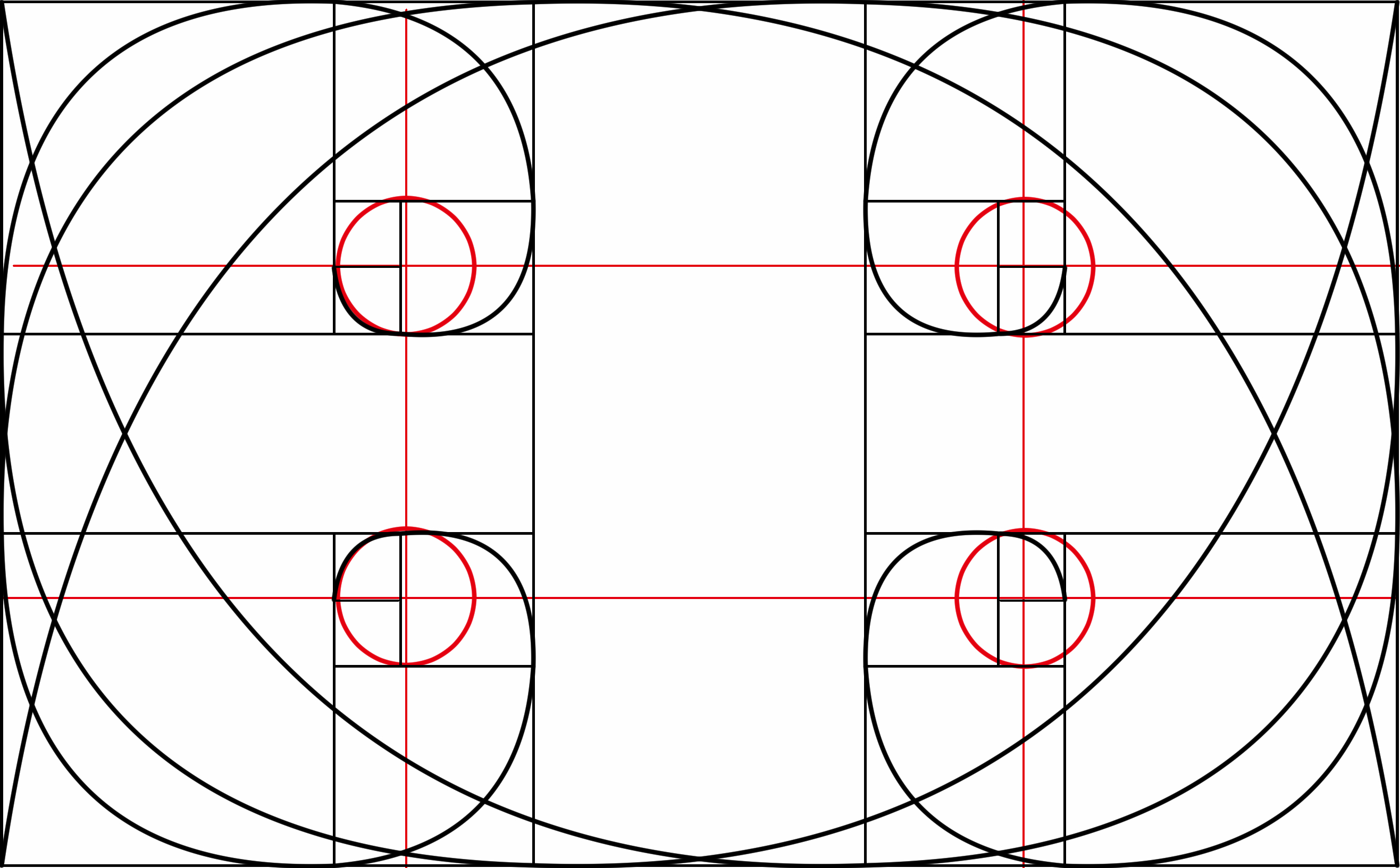
See how spirals guide flowing elements in these artistic overlays:
Step 5: Refine the Silhouette & Add Details
- Once the golden framework is in place, soften construction lines.
- Build anatomy, clothing folds, and details on top.
- Keep checking major proportions against the golden divisions—even small adjustments can make a huge difference.
Bonus: Dynamic Poses & Action Shots In high-energy poses (like the archer example), the spiral becomes even more powerful:
- The body’s twist follows the spiral direction.
- The weapon or focal prop aligns with a strong spiral arm.
- Limbs extend along golden arcs for maximum visual flow.
Here’s a dramatic action example with golden overlays in mind:

Quick Tips for Success
- Don’t force every single point—use the ratio as a guide, not a cage.
- Combine with gesture drawing; golden proportions enhance strong poses, not replace them.
- Practice with simple standing figures before tackling complex action.
- Digital artists: Use custom grids (Clip Studio, Procreate, Photoshop) with golden ratio overlays.
- Flip your canvas often—golden harmony should look good from any angle.
Final Thoughts
Integrating the Golden Ratio and Fibonacci Spiral into your character construction process is like giving your figures an invisible backbone of natural beauty. The reference drawings in this post beautifully demonstrate how even highly stylized anime and fantasy characters can achieve that elusive “epic yet effortless” quality when guided by these ancient principles.
Grab your sketchbook, overlay a golden spiral, and start experimenting. Your characters will gain better flow, stronger presence, and that indefinable sense of “rightness” that separates good art from truly memorable art.
Happy drawing—and may your lines always follow the golden path! ✨🌀
Which character pose will you try first? Share your golden ratio sketches in the comments—we’d love to see them!