Drawing From Reference: How to Use References Without Copying
Using photo references (or life observation) is one of the best ways to improve your drawing skills—professional artists do it constantly! The key difference between using a reference and copying it lies in intent and process: copying reproduces the image line-for-line (often leading to flat, unoriginal results), while referencing means observing deeply, analyzing, and interpreting to create something new and personal.
References help with accurate proportions, anatomy, lighting, perspective, and details you might not recall from imagination. The goal is to build your visual library so you eventually rely less on them.
Why Copying Feels Tempting (and Why to Avoid It)
- Photos look “perfect,” so it’s easy to trace or replicate exactly.
- Copying builds hand-eye coordination but doesn’t teach understanding or creativity.
- For finished/public work, exact copies (especially from copyrighted photos) can raise legal/ethical issues—always aim to transform.
Core Principles: Reference vs. Copy
- Reference = Study + Interpret + Combine + Create.
- Copy = Replicate exactly without changes.
Use references ethically: prefer your own photos, free stock sites (Unsplash, Pexels), or public domain images. Avoid tracing for anything beyond private practice.
Step-by-Step: How to Use References Effectively
- Observe Deeply Before Drawing Look at the reference for 1–2 minutes without drawing. Note key elements: overall gesture/line of action, basic shapes (cylinders for limbs, spheres for joints), light source/direction, shadows, proportions, angles, and mood. Squint to simplify values.
- Break It Down into Basic Shapes Simplify the subject into geometric forms (bean for torso, cylinders for arms/legs, wedges for hands/feet). This prevents line-by-line copying and forces understanding of 3D structure.
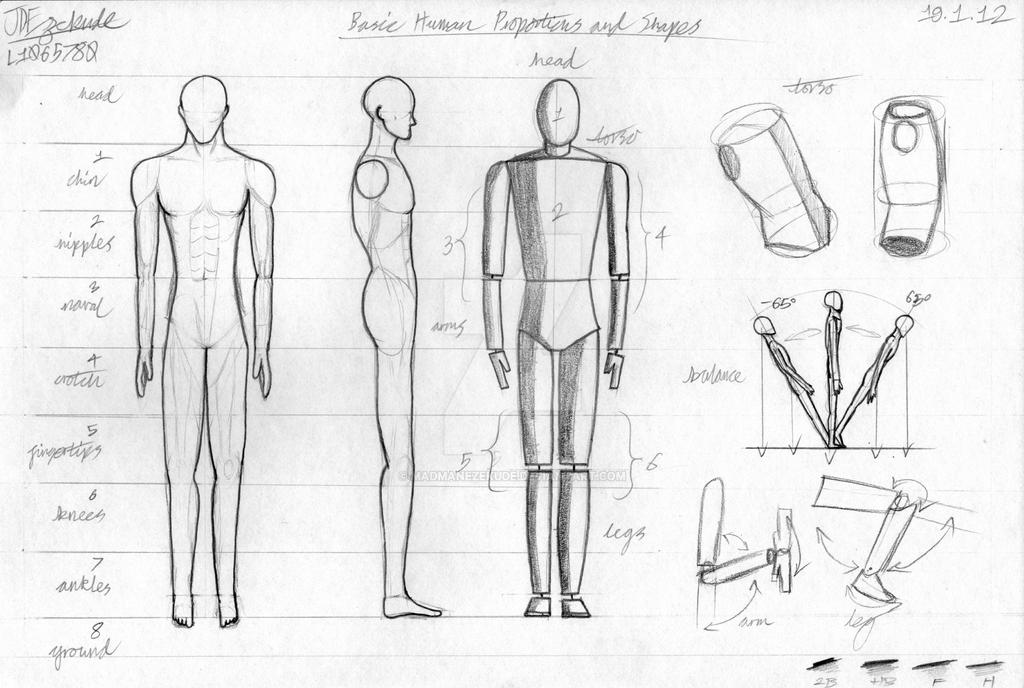
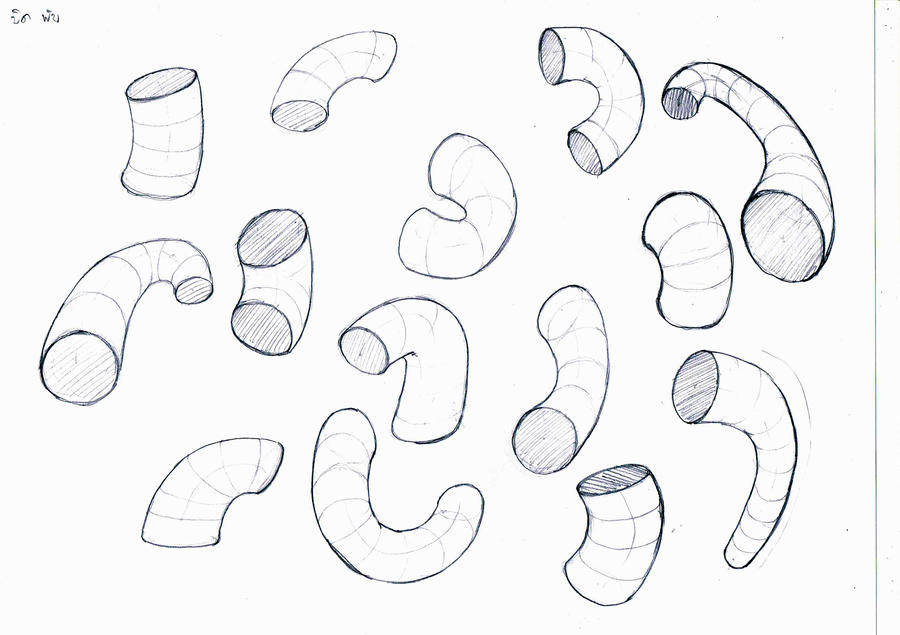
These examples show breaking complex forms into cylinders and cones—great for understanding without direct copying.
- Start with Gesture and Construction Do quick 30–60 second gesture sketches focusing on energy and flow, not details. Use multiple references (e.g., one for pose, another for lighting) to combine ideas.
- Make Intentional Changes Alter elements: change angle, lighting, clothing, expression, environment, or exaggerate features for style/personality. Combine 2–3 references into one original composition.
- Draw from Memory After Studying Look away frequently (or cover the reference after initial observation). Draw what you remember, then check back only to correct major errors. This builds independence.
- Flip, Crop, or Simplify Flip the reference horizontally to avoid mirroring habits. Crop to focus on one area (e.g., just the hand). Use grayscale versions to focus on value over color.
- Practice Variations After one study, draw the same subject from a different angle, in a new pose, or stylized (e.g., cartoon version). This turns observation into creation.
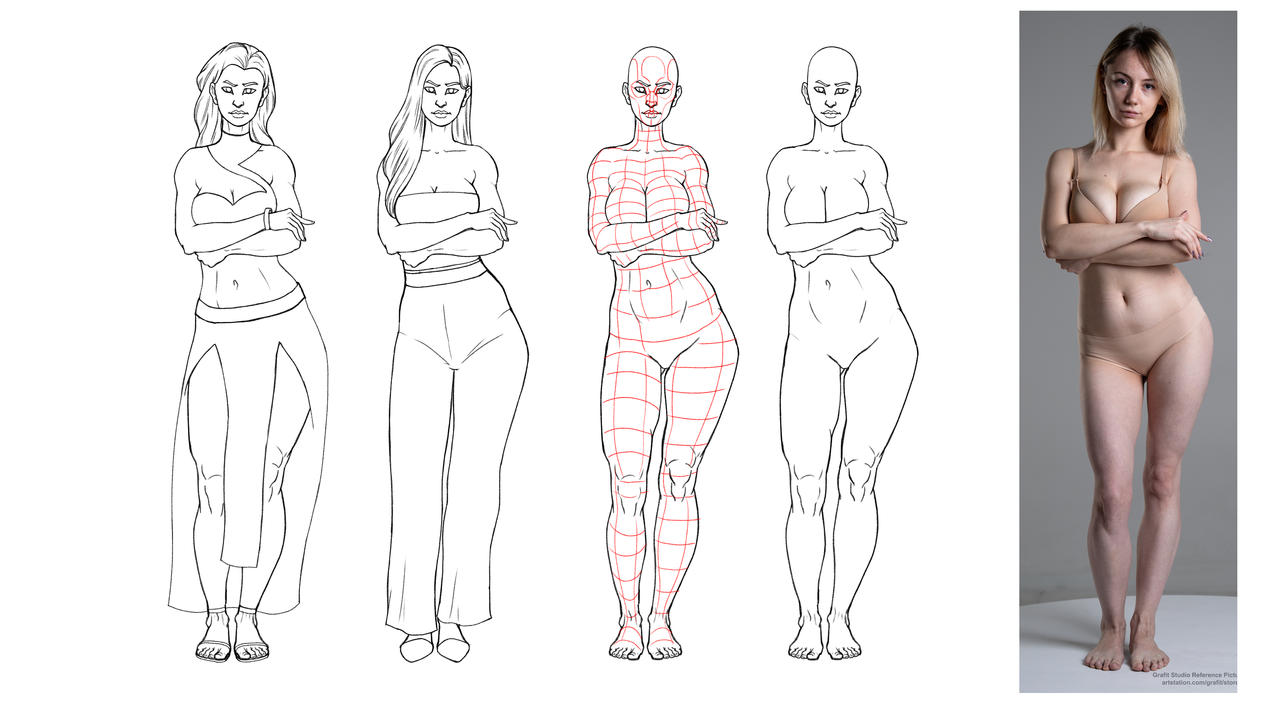
![Sketchdump February 2017 [Dynamic poses] by DamaiMikaz on DeviantArt](https://images-wixmp-ed30a86b8c4ca887773594c2.wixmp.com/f/060c5b2a-d29c-4413-a193-8ea0726072c5/db07u5s-856eca40-086d-4c53-ad23-a59b63bf98cb.png?token=eyJ0eXAiOiJKV1QiLCJhbGciOiJIUzI1NiJ9.eyJzdWIiOiJ1cm46YXBwOjdlMGQxODg5ODIyNjQzNzNhNWYwZDQxNWVhMGQyNmUwIiwiaXNzIjoidXJuOmFwcDo3ZTBkMTg4OTgyMjY0MzczYTVmMGQ0MTVlYTBkMjZlMCIsIm9iaiI6W1t7InBhdGgiOiIvZi8wNjBjNWIyYS1kMjljLTQ0MTMtYTE5My04ZWEwNzI2MDcyYzUvZGIwN3U1cy04NTZlY2E0MC0wODZkLTRjNTMtYWQyMy1hNTliNjNiZjk4Y2IucG5nIn1dXSwiYXVkIjpbInVybjpzZXJ2aWNlOmZpbGUuZG93bmxvYWQiXX0.CMtHWZ0eVqL7fz-0yOMeg3rTjT3DOdnR4dOljKFFQa0)
Dynamic poses from references turned into expressive sketches—notice how energy is captured without exact replication.
Advanced Tips to Avoid Copying Habits
- Use multiple references for one drawing.
- Take your own photos (selfies, friends, objects) for full control.
- Work small thumbnails first without reference nearby.
- Challenge: Draw the subject after studying, then hide the reference completely.
- For figures: Focus on contrapposto, weight shift, and rhythm over exact outlines.
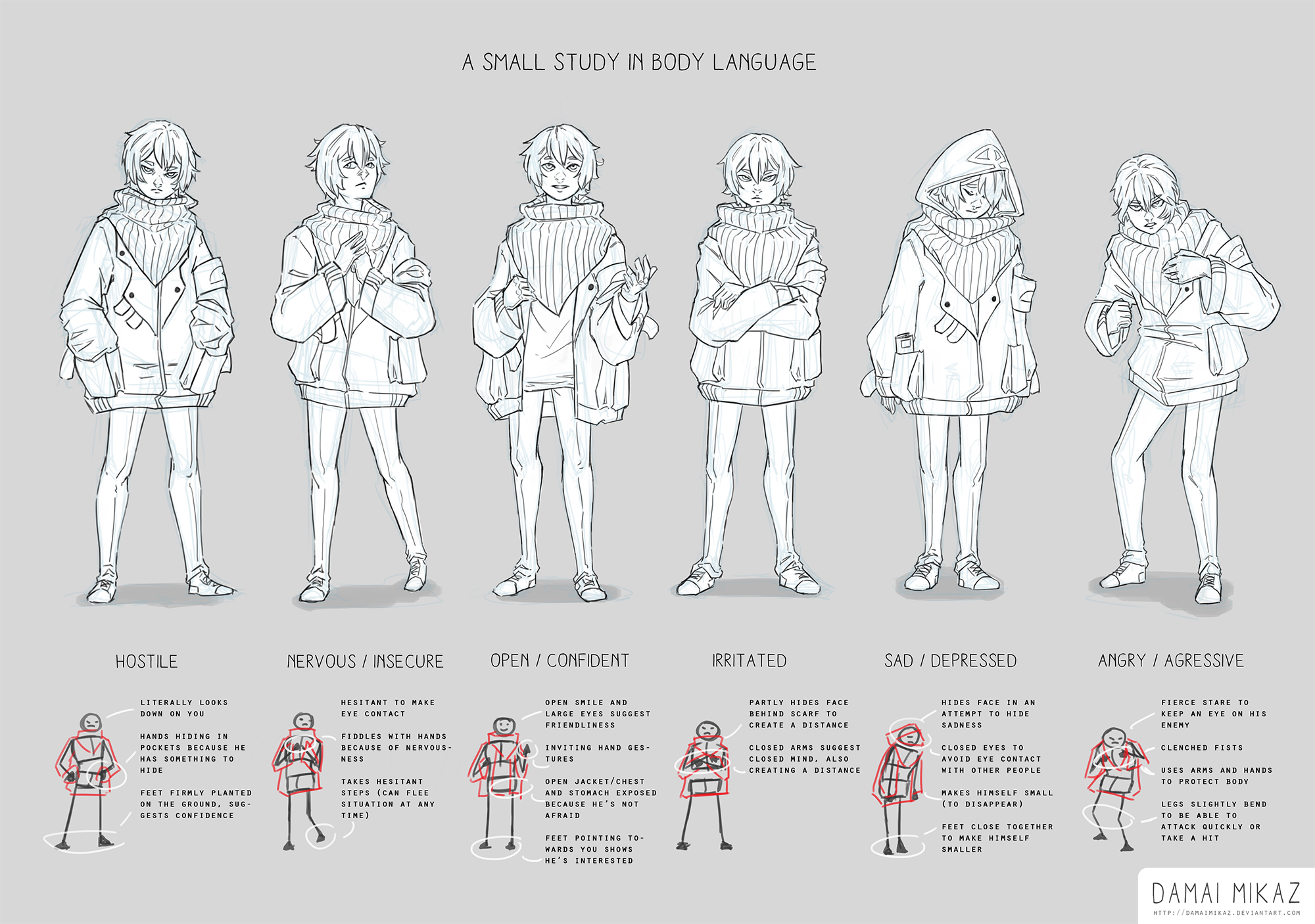
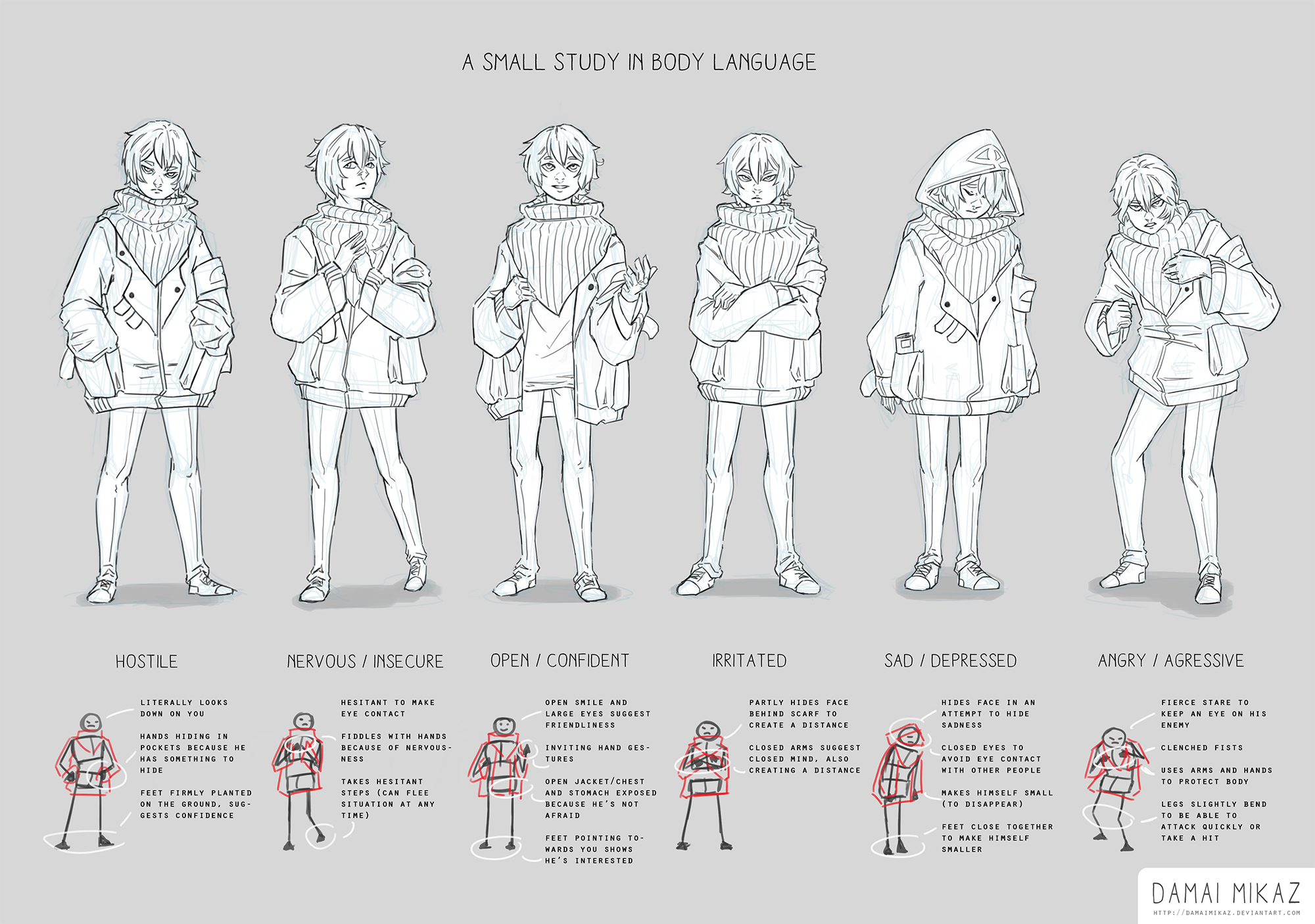
Body language studies show how references inform natural, varied poses.
Common Pitfalls and Fixes
- Drawing too stiff? → Prioritize gesture over accuracy.
- Proportions off? → Use sighting/pencil measuring, not grid-tracing.
- Flat results? → Observe light/shadow deeply; add your interpretation.
Video Resources for Practice
- Proko’s “How to Use Reference Photos” series — Excellent breakdowns.
- “Drawing from Reference Without Copying” tutorials on YouTube — Search for channels like Sycra or Marc Brunet.
Mastering this turns references into tools for growth, not crutches. Practice daily: observe → simplify → interpret → create. Over time, your drawings will feel more original and alive—even when guided by reference! ✏️📸