How to Care for a Horse: Essential Horse Care Tips Every Owner Should Know
Owning a horse is a rewarding commitment that requires dedication, knowledge, and consistent effort. Horses are intelligent, sensitive animals with specific needs for nutrition, health, exercise, and companionship. Proper care prevents common issues like colic, lameness, or behavioral problems while ensuring your horse stays happy and healthy. This guide covers the essentials for every owner, from beginners to experienced equestrians.
Whether your horse lives in a stable, pasture, or boarding facility, focus on the core pillars: feeding, water, grooming, hoof care, health monitoring, exercise, shelter, and veterinary support. Always consult a qualified equine veterinarian for personalized advice.
For visual guidance, here are some helpful videos:
- Horse Care For Beginners – Covers daily basics like water and feeding.
- HOW TO CARE FOR A HORSE (Complete Guide) – Step-by-step on grooming, hoof picking, and more.
1. Provide Constant Access to Fresh, Clean Water
Horses drink 5–15 gallons (20–60 liters) of water daily, more in hot weather or with heavy work. Dehydration can lead to serious issues like impaction colic.
- Check and refill water buckets or troughs multiple times a day.
- Clean them regularly to prevent algae or contamination.
- In winter, use heated buckets to prevent freezing.
2. Focus on Proper Nutrition and Feeding
Horses are trickle feeders, designed to eat small amounts over long periods. A forage-based diet mimics their natural grazing habits.
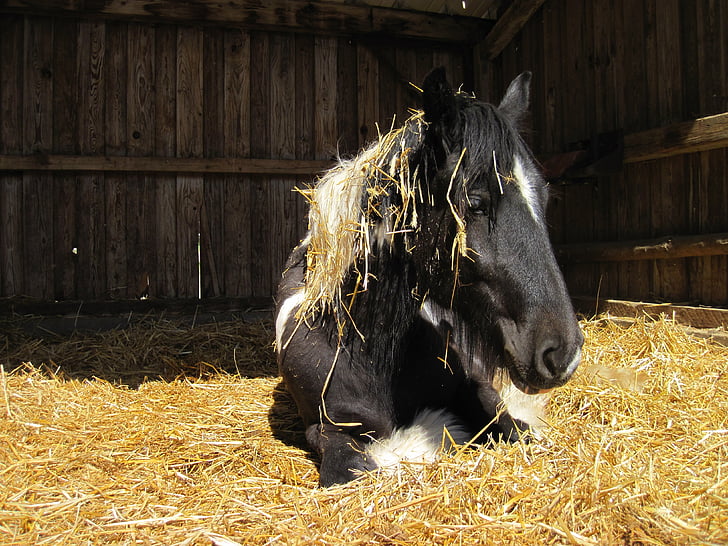
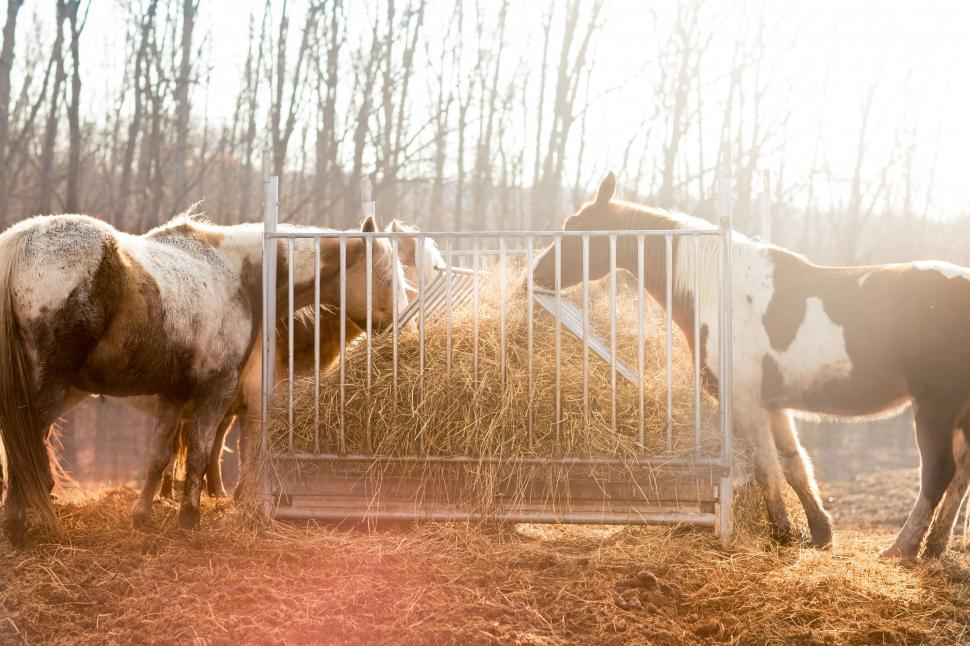

- Offer unlimited access to high-quality hay or pasture (at least 1.5–2% of body weight daily).
- Supplement with grain or concentrates only if needed (e.g., for hard-working horses), in small, frequent meals to avoid digestive upset.
- Feed at consistent times and avoid sudden diet changes.
- Provide salt blocks or mineral supplements as recommended by a vet or nutritionist.
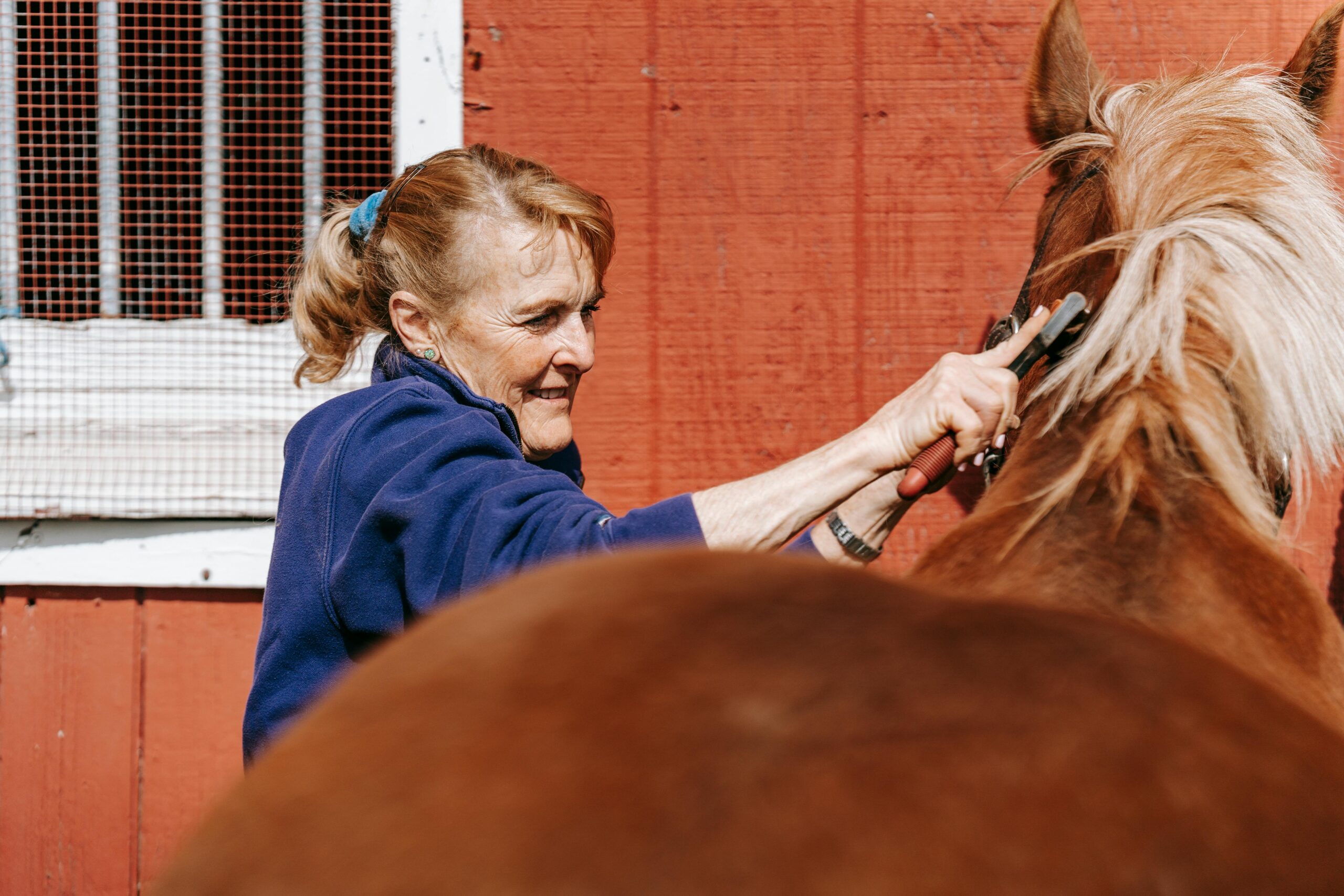
3. Daily Grooming for Health and Bonding
Regular grooming removes dirt, stimulates circulation, and allows you to check for injuries or skin issues.

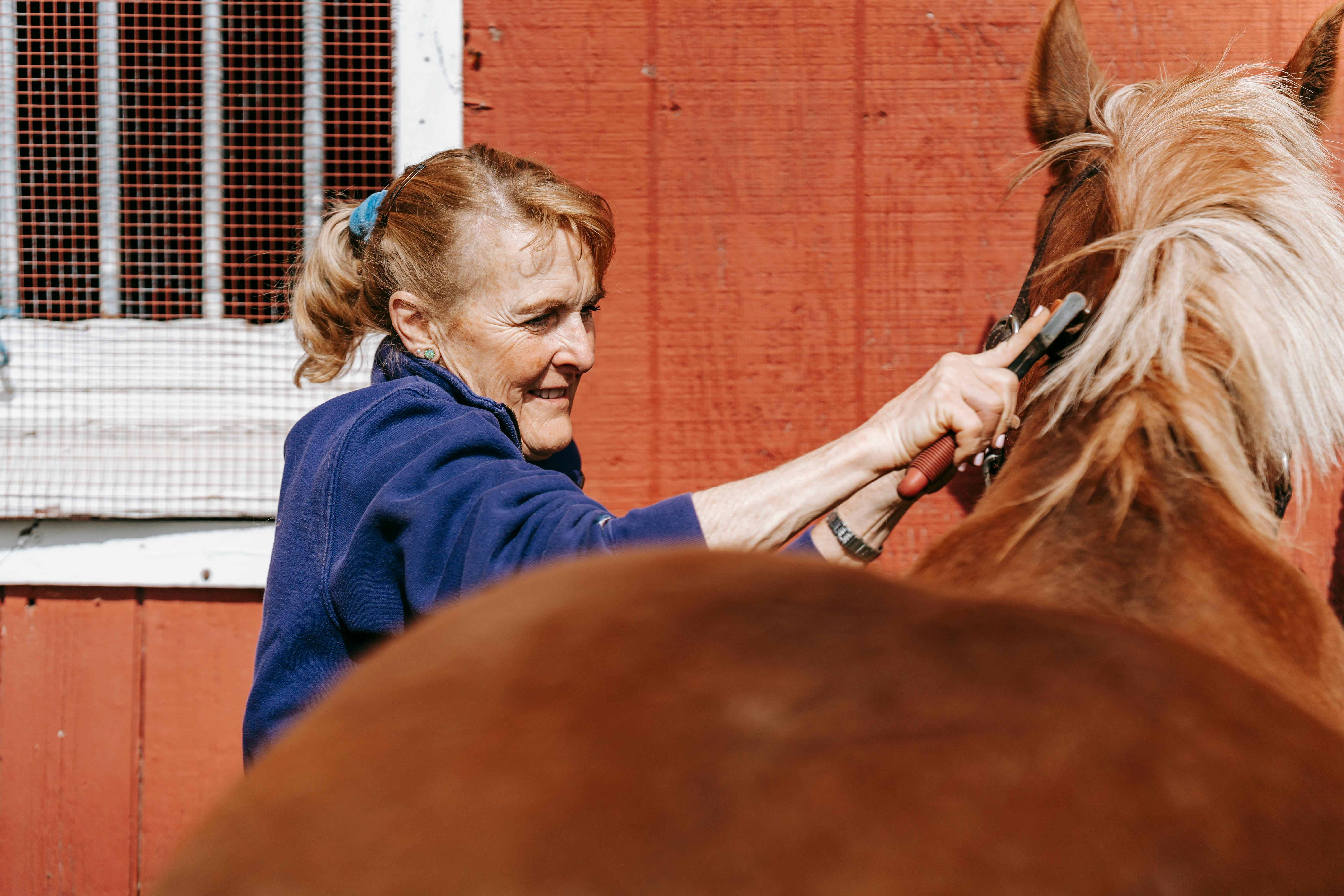

- Use a curry comb, stiff brush, soft brush, mane/tail comb, and hoof pick.
- Brush the entire body, paying attention to sweaty areas after exercise.
- Bathe occasionally with horse-safe shampoo, but avoid over-bathing to preserve natural oils.
- Groom daily or before/after riding to build trust and spot problems early.
4. Hoof Care: Pick and Monitor Regularly
Healthy hooves are crucial— “no hoof, no horse.” Neglect leads to thrush, abscesses, or lameness.
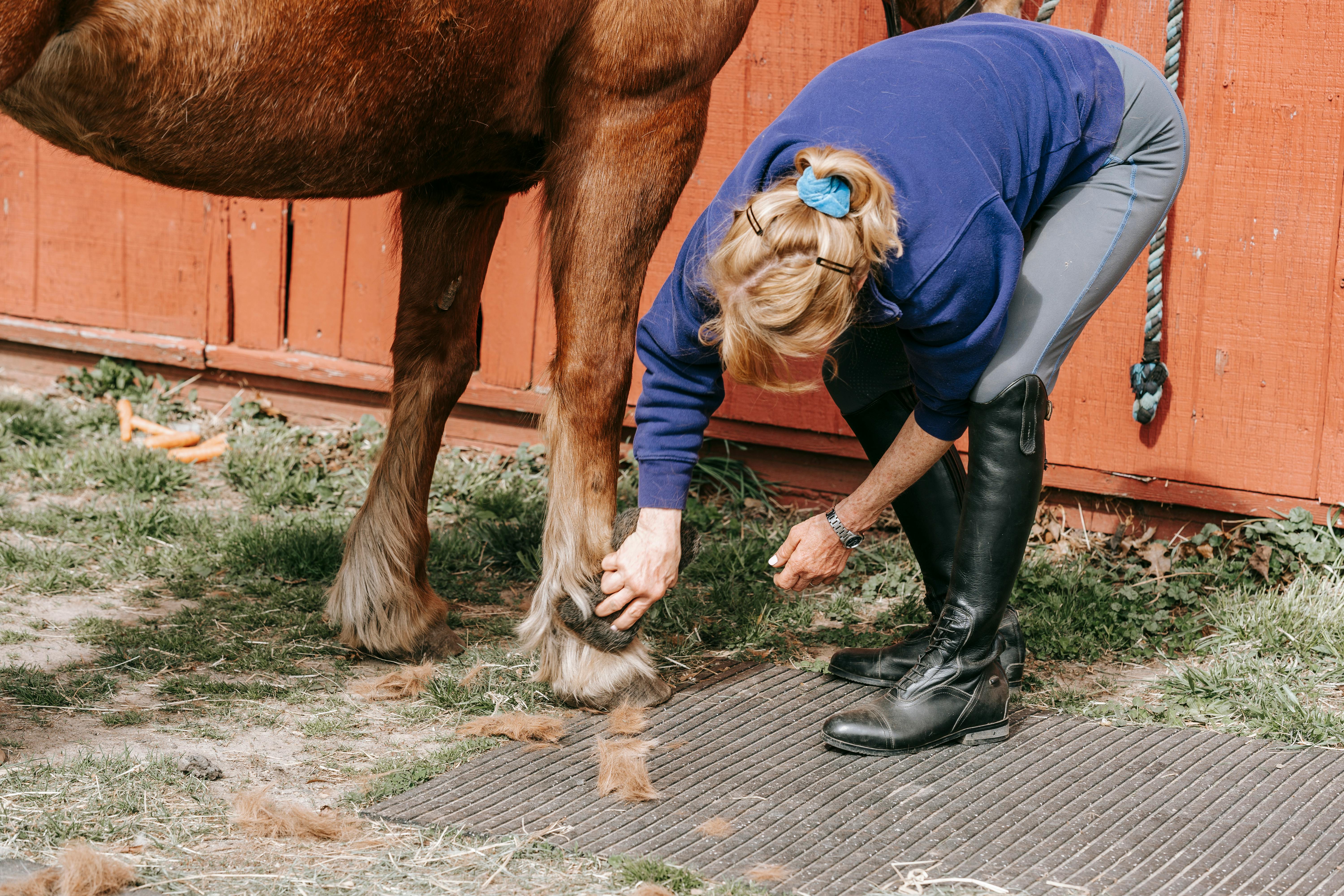
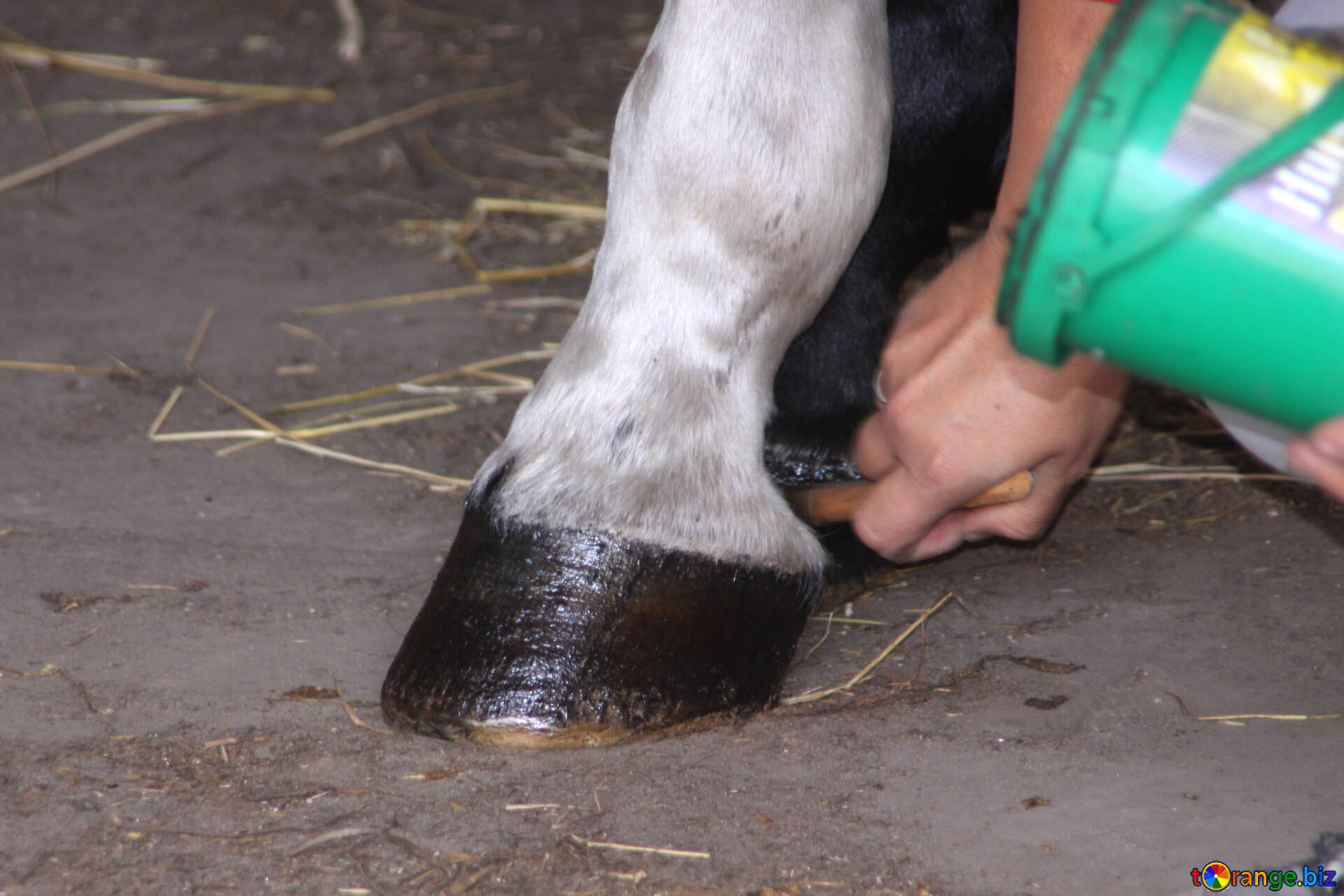
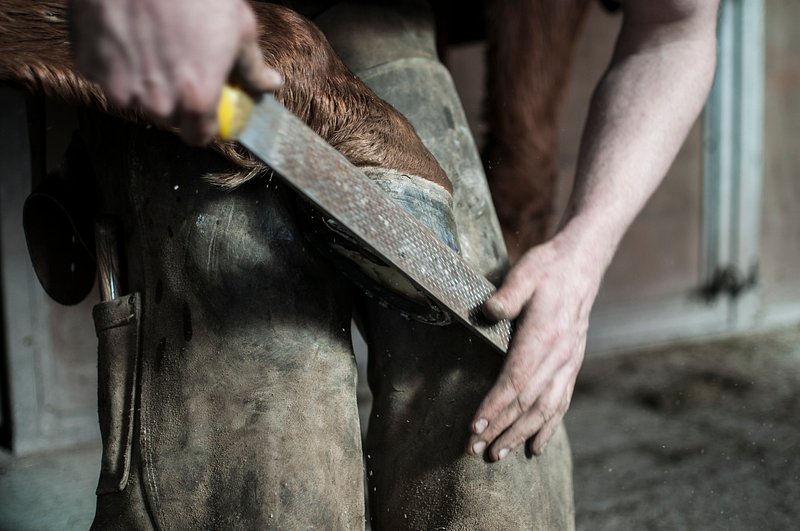
- Pick out hooves daily to remove dirt, rocks, and manure.
- Check for cracks, heat, swelling, or foul odors.
- Schedule farrier visits every 6–8 weeks for trimming or shoeing.
- Work with your farrier and vet if issues arise.
5. Shelter and Environment
Horses need protection from extreme weather and a safe space to move.

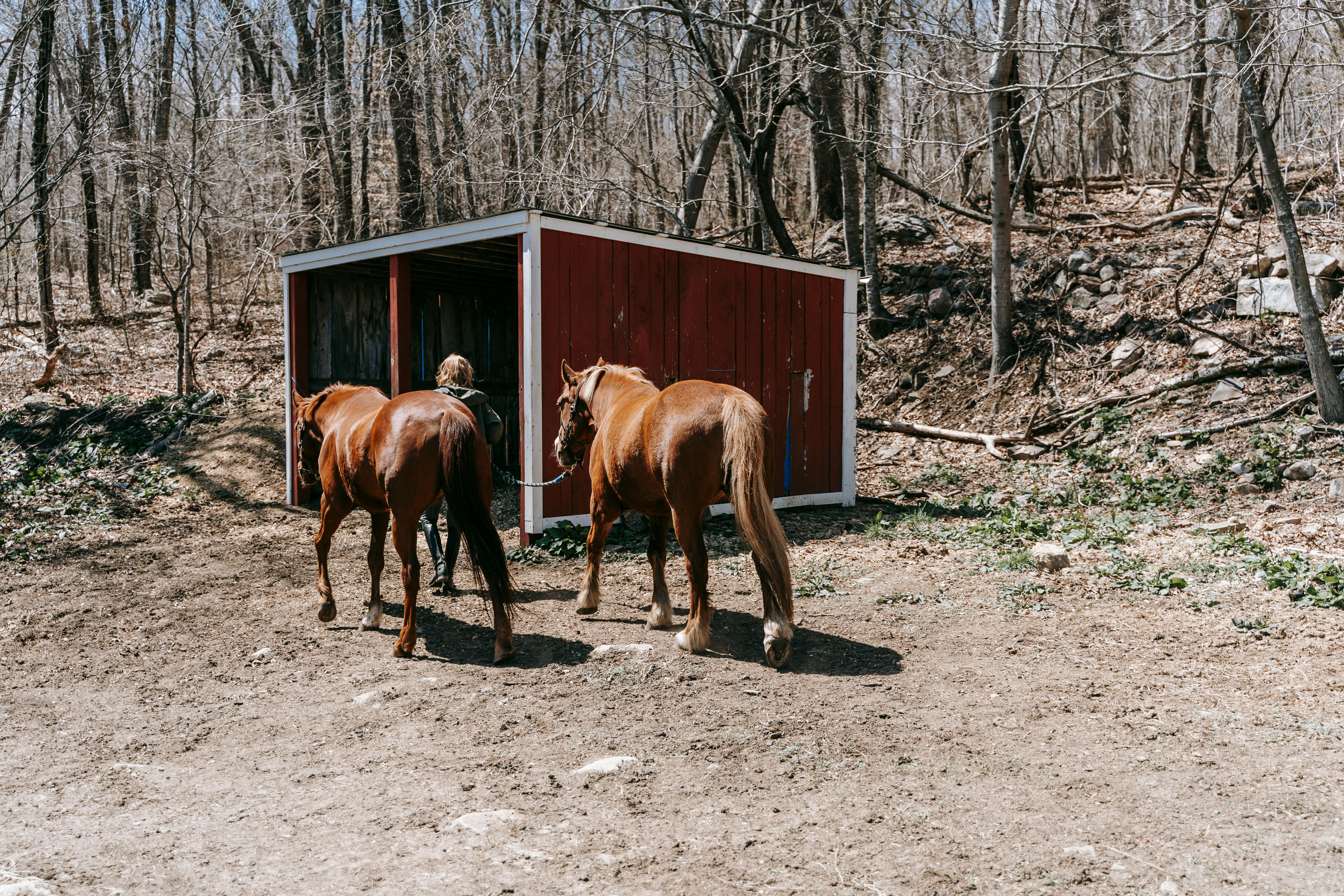

- Provide a run-in shed or stable for shade, rain, wind, and insects.
- Ensure turnout in a secure pasture or paddock for daily movement and social interaction.
- Maintain clean bedding in stalls (e.g., straw or shavings) and remove manure regularly to prevent respiratory issues.
6. Exercise and Mental Stimulation
Regular activity keeps horses physically fit and mentally healthy.
- Provide daily turnout or exercise (riding, lunging, or groundwork).
- Vary routines to prevent boredom—include trail rides, arena work, or play with toys.
- Match exercise to age, breed, and fitness level; rest days are important too.
7. Health Monitoring and Veterinary Care
Be proactive about wellness to catch problems early.


- Perform daily checks: Look for bright eyes, normal appetite, steady gait, and healthy manure.
- Schedule routine vet visits for vaccinations, deworming, dental floats (1–2 times/year), and Coggins testing.
- Keep a first-aid kit with basics like bandages, antiseptics, and thermometer.
- Watch for signs of illness: lethargy, not eating, lameness, swelling, or changes in behavior—call your vet immediately if noticed.
Quick Daily Checklist for Horse Owners
- Fresh water available
- Adequate forage/hay
- Feed any supplements/grain
- Pick hooves and check legs
- Groom and observe for injuries
- Clean stall/paddock
- Turn out or exercise
- Quick health/behavior check
Caring for a horse is a lifelong learning process. Join local equestrian groups, take lessons, or consult resources from trusted organizations like the American Association of Equine Practitioners (AAEP). With consistent, attentive care, your horse will thrive as a loyal companion. If you’re new to ownership, consider boarding at a reputable facility while building your skills!