Encountering the Giant: Life-Size Cave Bear (Ursus spelaeus) Reconstruction – Scale, Anatomy, and Paleontological Accuracy Explored

Description: A Hands-On Guide to Understanding Cave Bear Size Through Modern Reconstructions
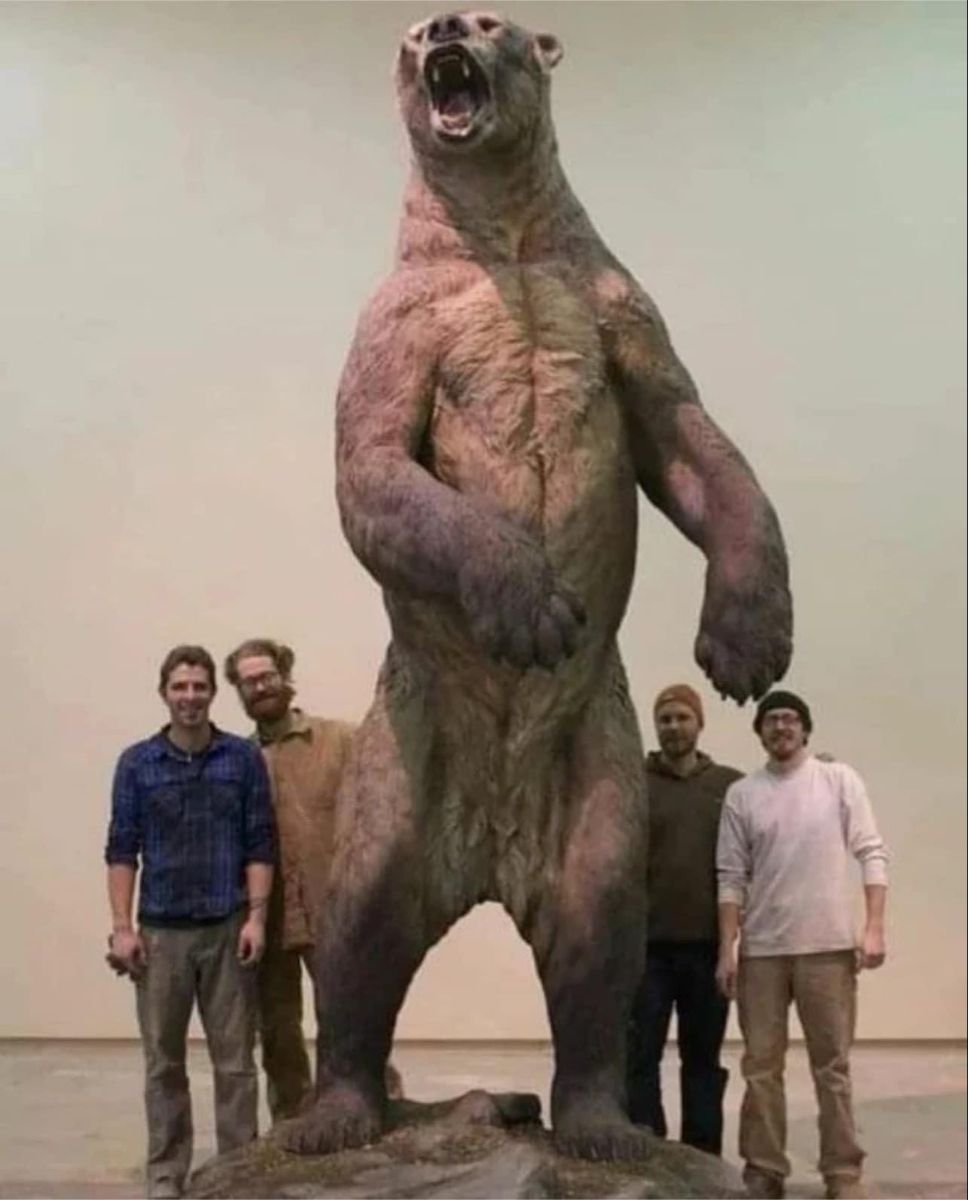
This comprehensive tutorial examines one of the most impressive paleontological recreations available: a towering, life-size model of the extinct Cave Bear (Ursus spelaeus), captured here in a museum or exhibit setting. The photograph shows four adult men standing beside the roaring, bipedal sculpture, providing an immediate and dramatic sense of scale that no skeleton or illustration can fully convey. Designed for paleontology enthusiasts, educators, students, museum visitors, and anyone interested in Ice Age megafauna, this post breaks down the reconstruction’s anatomical fidelity, scientific basis, size comparisons, behavioral implications, and educational value. By the end, you’ll understand why such models are powerful tools for visualizing prehistoric life and bridging the gap between fossil evidence and living reality.
Step 1: The Photograph – Visual Context and Immediate Impact
The image depicts a massive, hyper-realistic cave bear model rearing upright on its hind legs in an aggressive, mouth-open roar pose. The sculpture features detailed, textured fur in shades of brown and gray, muscular limbs, powerful paws with long claws, and a broad, domed skull characteristic of the species. Positioned on a naturalistic base resembling rocky ground, the bear towers over the four men (dressed casually in shirts, hoodies, beanies, and jeans), who stand close enough to touch it, emphasizing its colossal proportions.
This side-by-side human comparison instantly communicates what words alone cannot: the cave bear was not merely “large” but genuinely gigantic compared to modern humans. Adult males likely reached heights of over 3 meters (10+ feet) when standing, dwarfing even the tallest person in the photo. Such reconstructions serve as tangible educational aids, transforming abstract fossil data into something visitors can experience directly.
Step 2: Scientific Basis – How Accurate Is This Reconstruction?
Life-size cave bear models like this one are built by teams of paleoartists, sculptors, taxidermists, and paleontologists using the best available evidence:
- Skeletal Foundation: Reconstructions start with complete or near-complete skeletons from sites like the Vienna Natural History Museum, Drachenhöhle (Austria), or Bears’ Cave (Romania). Key features include the broad, steep forehead, short muzzle, massive canines, and reduced premolars adapted for a largely herbivorous diet.
- Soft Tissue and Fur: Muscle attachments, skin impressions (rare but present in some cave finds), and comparisons to living brown bears (Ursus arctos) inform body shape. The fur is speculative but plausible—thick and shaggy for Ice Age insulation. The roaring pose, while dramatic, reflects documented bipedal standing behavior seen in modern bears for threat display, reaching food, or scent marking.
- Size Parameters:
- Shoulder height on all fours: ~1.5–1.7 m (5–5.6 ft)
- Standing height: up to 3–3.5 m (10–11.5 ft)
- Weight: males 350–600 kg (770–1,320 lb), exceptional specimens possibly ~1,000 kg (2,200 lb)
- Females: noticeably smaller (~225–250 kg / 500–550 lb)
The model here aligns closely with upper-end estimates for large males, making it representative of peak specimens. Sexual dimorphism (males larger and more robust) is evident when compared to smaller museum mounts.
Step 3: Scale in Perspective – Human vs. Cave Bear Comparisons
The presence of four men provides a perfect reference scale:
- An average adult male stands ~1.75–1.8 m (5’9″–5’11”) tall.
- The bear’s head alone reaches well above shoulder level, with the open mouth positioned high enough to “loom” over the group.
- Hind legs appear thicker than a human torso, forelimbs longer and more muscular than arms, and claws longer than human hands.
- The overall impression: a single swipe or charge from such an animal would have been devastating, even to armed Neanderthals or early modern humans who shared its landscape.
This visualization debunks myths of cave bears as sluggish herbivores—while primarily plant-eaters (berries, roots, tubers, grasses), their size, strength, and opportunistic omnivory (insects, carrion, small prey) made them formidable.
Step 4: Behavioral and Ecological Insights from the Pose
The rearing, roaring stance is not arbitrary:
- Display and Defense: Modern bears stand to appear larger and intimidate rivals or threats. Cave bears likely used similar postures during mating season conflicts or predator encounters (e.g., cave lions, hyenas).
- Hibernation and Cave Use: While the model is outdoors/museum-based, real cave bears spent winters in caves, leading to high pathology rates (arthritis from damp conditions). The aggressive pose contrasts with their more sedentary winter lifestyle.
- Dietary Adaptations: Large molars for grinding vegetation; the roar pose highlights powerful jaw muscles capable of crushing tough plants or defending food sources.
Step 5: Educational and Museum Value – Why These Models Matter
Such reconstructions appear in natural history museums, science centers, and traveling exhibits to:
- Engage visitors: Scale comparisons make abstract sizes concrete.
- Teach evolution: Highlight differences from brown bears (more herbivorous skull, denser bones, cave specialization).
- Spark discussion: Extinction ~24,000–28,000 years ago tied to climate change (Last Glacial Maximum vegetation loss), low genetic diversity, and human competition for cave shelters.
- Inspire research: Models are used in biomechanics studies (e.g., bite force, locomotion) and public outreach.
For classroom or self-study: Measure a doorway (~2 m) and imagine this bear filling it completely when rearing—then compare to fossil limb bones.
Step 6: Related Visual References for Deeper Appreciation
To complement this photograph, consider these additional reconstructions that illustrate cave bear anatomy and scale:
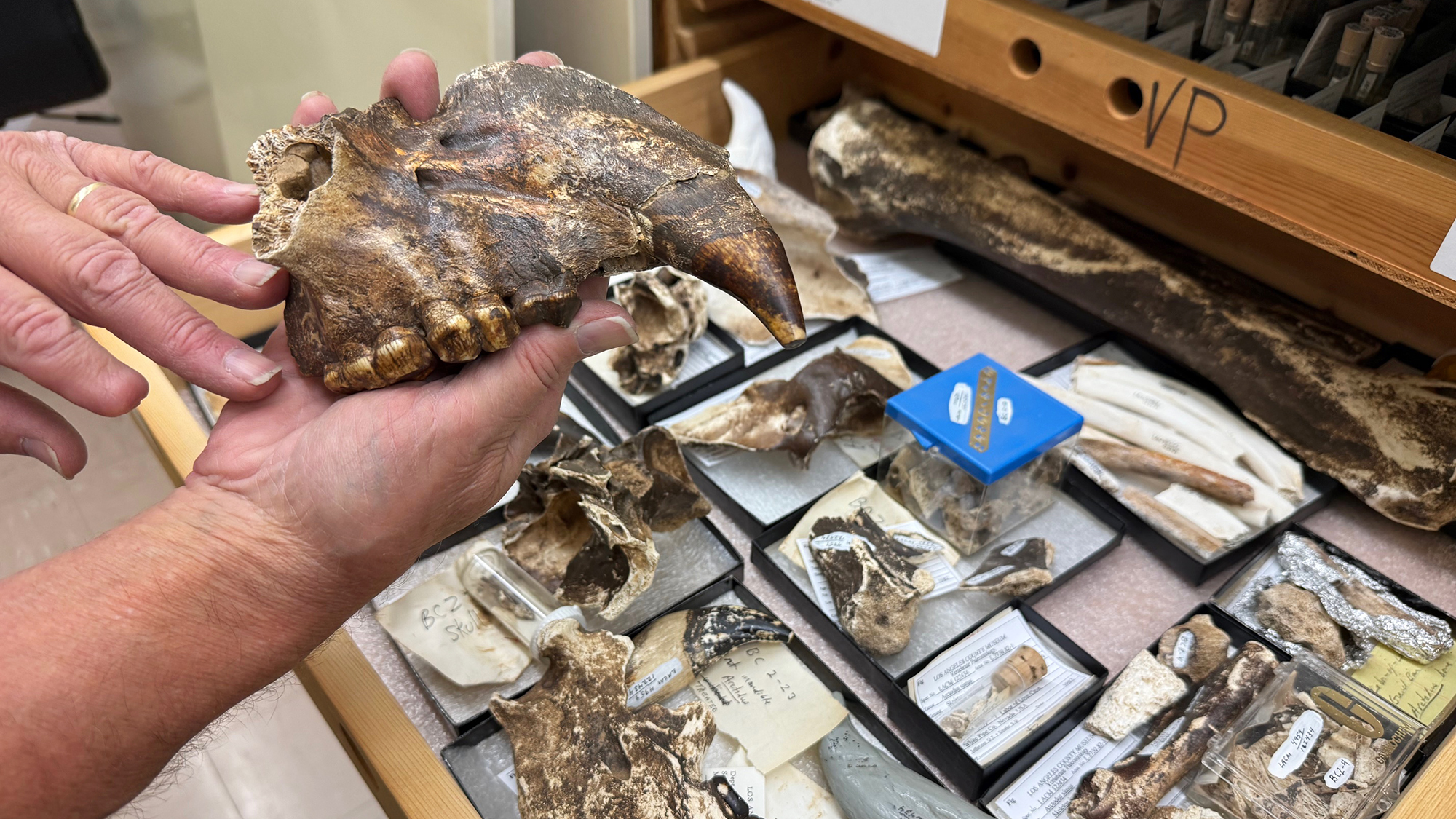
These show artistic life reconstructions, skeletal mounts, and comparative views that reinforce the imposing reality of Ursus spelaeus.
Conclusion: Bringing Prehistory to Life
This life-size cave bear reconstruction is more than art—it’s a bridge to the Pleistocene, reminding us of the power and vulnerability of megafauna. Standing beside it, one gains visceral respect for a species that dominated European landscapes for hundreds of thousands of years before vanishing. Whether you’re planning a museum visit, teaching evolution, or simply marveling at Ice Age giants, images like this make the past feel immediate and awe-inspiring.
What strikes you most about the scale? Have you encountered similar reconstructions in person? Share your thoughts or photos below!