Arthropleura: The Giant Millipede of the Carboniferous
That incredible photo shows two men (one older with a beard, one younger) posing proudly behind a massive, full-scale model of Arthropleura, the largest known land arthropod to ever exist. The segmented, armored body stretches across a workbench or display table in what looks like a workshop or museum prep room, complete with tools, radiators, and taxidermy mounts on the wall. The model—crafted with detailed brownish segments, spiky edges, and prominent antennae—dwarfs the people, emphasizing its astonishing prehistoric size.
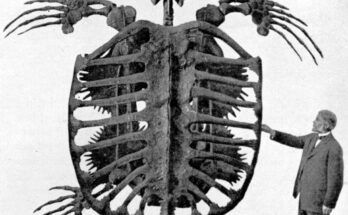
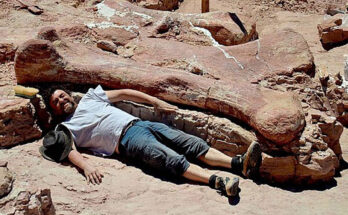
This kind of “human for scale” setup is a classic way paleontologists and model makers highlight just how mind-bogglingly huge some extinct creatures were—much like the dino bone and Archelon shots we’ve covered before.

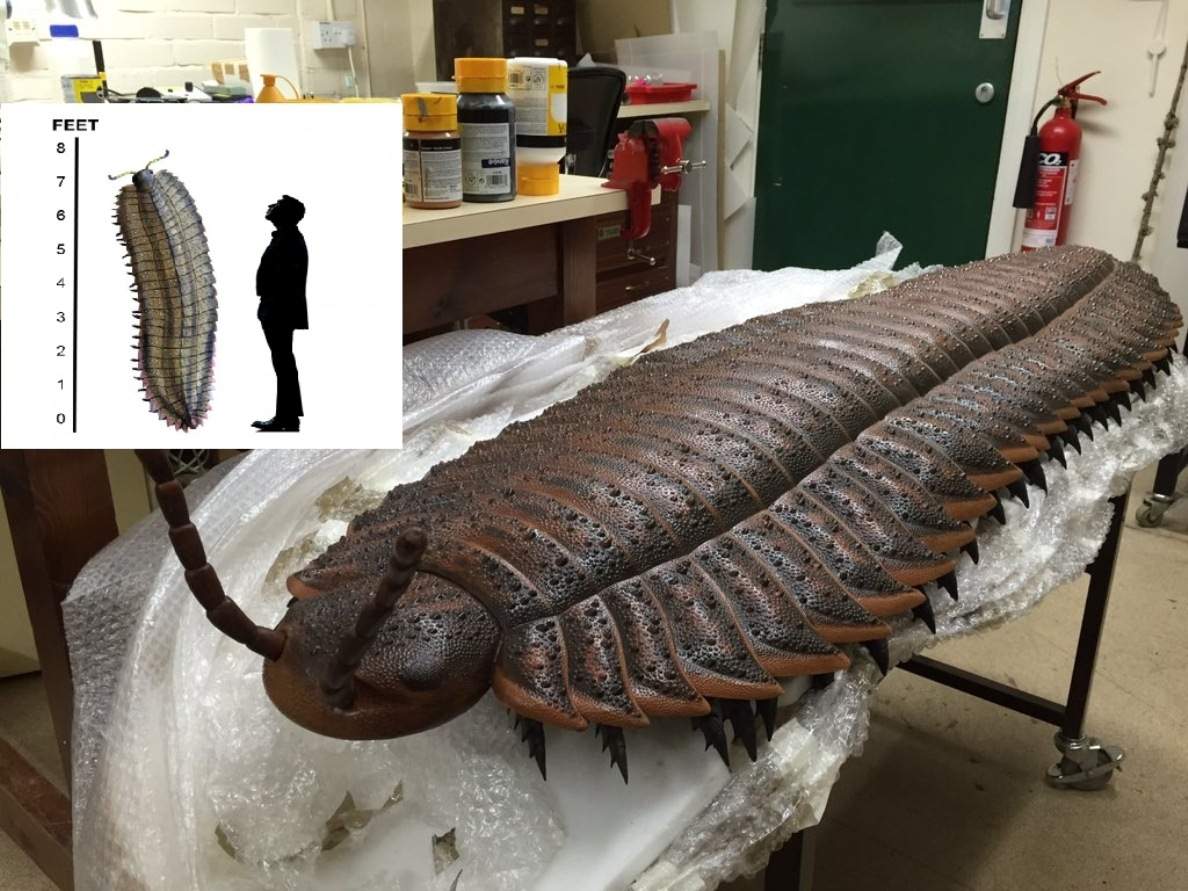
(Another impressive full-scale Arthropleura model laid out in a lab, wrapped in protective foam, with a height scale showing it reaches well over 8 feet—person silhouette for comparison makes the scale pop.)

(Museum exhibit view of a detailed Arthropleura reconstruction curled among ferns and rocks, capturing its armored, millipede-like form in a prehistoric forest diorama setting.)
What Was Arthropleura?
Arthropleura (“jointed ribs”) was a bizarre, extinct arthropod that lived during the Carboniferous Period (~346–293 million years ago), in what are now Europe and North America. It resembled a giant millipede with a heavily armored, segmented exoskeleton made of up to 30+ tergites (plates), each bearing defensive spines or bumps. Recent fossil discoveries (including the first complete head in 2024) show it had centipede-like features on the head, suggesting closer ties between millipedes and centipedes than previously thought.
It wasn’t a true millipede or centipede but belongs to its own extinct class (Arthropleurida). With dozens of legs (two pairs per segment in many areas), it moved slowly across humid forest floors and riverbanks.

(Scientific reconstruction of Arthropleura in side profile, showing the full segmented body, spiny edges, and antennae—perfect for appreciating its armored, elongated design.)
Size and Scale
The model in your photo represents the upper end of estimates:
- Length: Up to 2.5–2.7 meters (~8–9 feet), roughly the length of a small car.
- Width: About 50–55 cm (~20–22 inches) across.
- Weight: Around 50 kg (~110 lbs), similar to a large dog or medium human.
The largest fossil fragment (found on a Northumberland beach in 2018) was ~75 cm long and part of an animal estimated at 2.63–2.7 m total length. Trackways up to 50 cm wide confirm these giants left deep impressions in soft sediment.
This enormous size was possible thanks to the Carboniferous’ exceptionally high atmospheric oxygen levels (up to 35%, vs. today’s 21%), which allowed arthropods to grow huge—since they breathe through tracheae limited by diffusion.
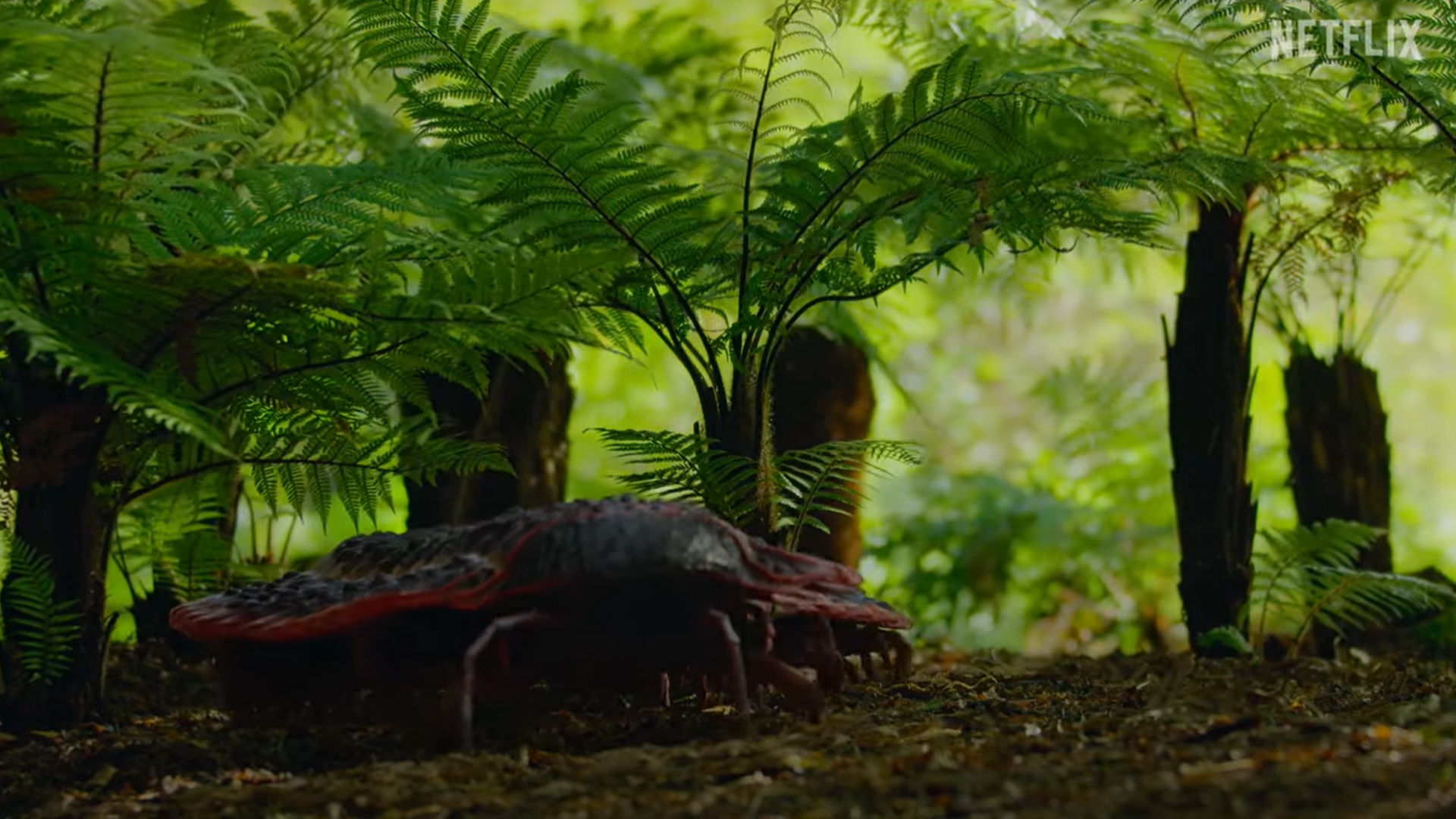
(Life-like CGI reconstruction of Arthropleura crawling through a dense Carboniferous forest of ferns and giant clubmosses, depicting how it might have foraged in the undergrowth.)
Lifestyle and Habitat
- Diet: Primarily herbivorous, feeding on decaying plant matter, leaf litter, seeds, and possibly fungi in the lush coal swamps and open woodlands.
- Habitat: Humid, low-oxygen-poor (but high-oxygen) environments near water; some evidence suggests semi-aquatic habits.
- Why so big? High O₂ supported larger body sizes in air-breathing arthropods. No large land predators existed yet (early reptiles were small), reducing pressure to stay small.
- Extinction: Declined in the Permian as oxygen levels dropped and reptiles diversified, possibly outcompeting them for resources.
Why These Models Matter
Full-scale reconstructions like the one in your photo—often built for museums (e.g., Chicago Field Museum, Natural History Museum London gardens, or European science centers)—bring the fossil record to life. They help visitors grasp the scale of ancient ecosystems and spark wonder about how different Earth was 300 million years ago: towering lycopod forests, giant insects, and these car-sized “millipedes” lumbering through the undergrowth.
For a dynamic look at Arthropleura in its world, check out clips from documentaries (search for “Arthropleura reconstruction” on YouTube or Netflix series featuring prehistoric life—many include animated sequences of it moving through ancient swamps).
These “for scale” shots never fail to amaze—turning abstract fossils into something tangible and terrifyingly impressive. What’s next on your list of epic prehistoric scale photos?