Coprolites: Fascinating Fossilized Feces on Museum Display
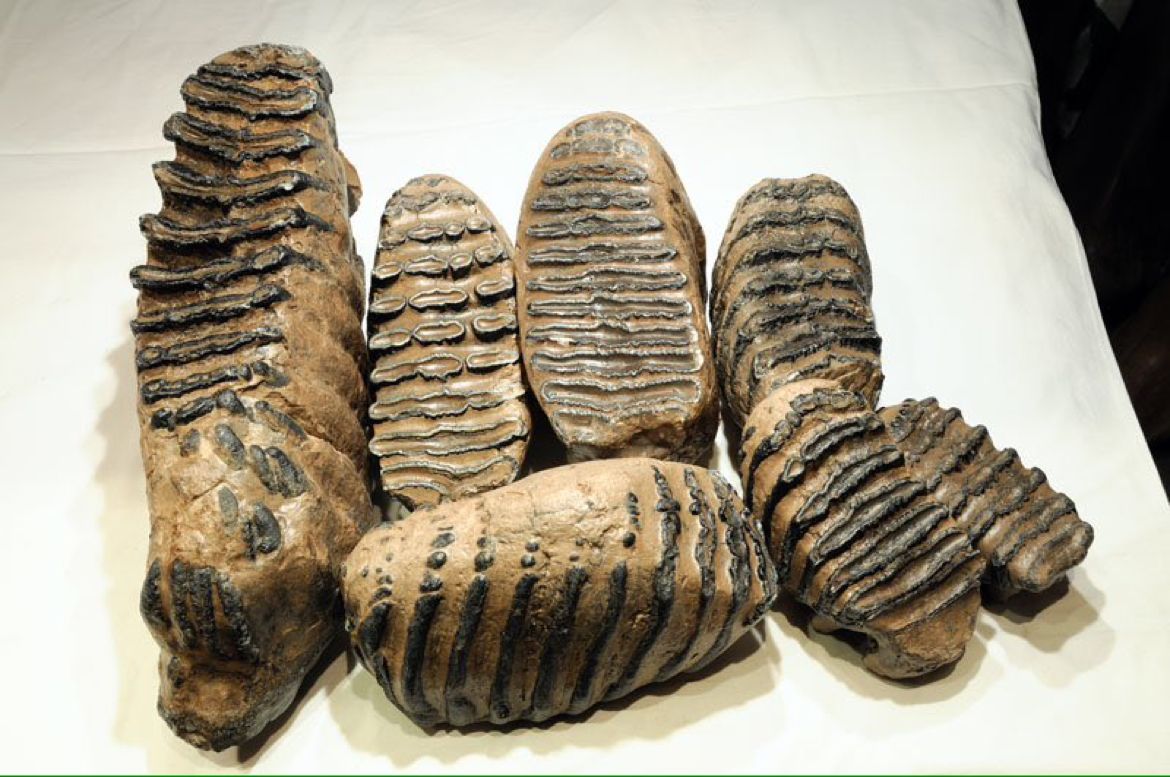
This intriguing museum photograph showcases a captivating array of coprolites—the fossilized remains of ancient animal dung—arranged neatly on a white surface under soft lighting. The specimens vary in size and shape but share a distinctive segmented, ribbed appearance: elongated, loaf-like forms with prominent transverse ridges or grooves running across their surfaces, some featuring darker banding or striations that give them a layered, almost bread-like texture. Larger pieces stretch several inches long, while smaller ones cluster together, highlighting the diversity in prehistoric droppings. The close-up view emphasizes their earthy brown tones, bumpy textures, and well-preserved surface details—classic traits that make these trace fossils instantly recognizable as ancient feces rather than ordinary rocks.
Such displays are common in paleontology halls or specialized exhibits (including dedicated “poop museums” like the Poozeum in Arizona), where curators group similar coprolites to illustrate variation by animal type, diet, or preservation conditions. The ribbed, segmented morphology seen here is particularly characteristic of certain herbivorous dinosaurs or large reptiles, where intestinal contractions created those distinctive folds during extrusion.
(Another museum display of assorted coprolites, featuring ribbed and segmented examples alongside smoother ones, arranged for comparative viewing under exhibit lighting.)
(Close-up of ribbed coprolite specimens showing detailed grooves, dark banding, and bumpy inclusions—perfect for appreciating the fossilization process.)

What Are Coprolites?
Coprolites (from Greek “kopros” meaning dung and “lithos” meaning stone) are trace fossils representing the mineralized feces of extinct animals. Unlike body fossils (bones, teeth), they provide direct evidence of behavior—specifically diet, digestion, and ecology—rather than just anatomy. They form when fecal matter is rapidly buried in sediment, then undergoes permineralization: minerals like calcium phosphate or silica replace organic components over millions of years, preserving shape, texture, and sometimes internal contents.
The ribbed or segmented look in these examples results from:
- Intestinal peristalsis: Rhythmic muscle contractions mold the feces into rings or folds.
- Dietary influence: Herbivores consuming fibrous plants often produce more structured, layered droppings.
- Preservation quality: Fine-grained sediments capture surface details exceptionally well.
These particular forms resemble those attributed to large herbivorous dinosaurs (e.g., hadrosaurs or ceratopsians) or ancient crocodilians, though exact attribution requires context like find location and associated fossils.
Scientific Value of Coprolites
Coprolites are treasure troves for paleontologists:
- Diet Reconstruction: Broken or polished sections often reveal inclusions—bone fragments (carnivores), plant fibers/seeds (herbivores), fish scales, or insect parts—offering direct snapshots of prehistoric meals.
- Paleoenvironment Insights: Coprolite chemistry (e.g., isotope ratios) reveals ancient climates, while their distribution maps habitats and migration.
- Parasite Evidence: Some preserve ancient parasites or eggs, shedding light on health and disease in extinct species.
- Behavioral Clues: Shape and size indicate animal size, gut length, and even social habits (e.g., communal latrines in some dinosaurs).
The ribbed texture here suggests efficient digestion of tough vegetation, typical of Late Cretaceous herbivores in riverine or floodplain settings.
(Exhibit case with a variety of coprolites, including ribbed, spiral, and irregular forms—demonstrating the range of shapes from different ancient animals.)
Where to See Coprolites Like These
Such impressive grouped displays appear in:
- Major natural history museums (e.g., Houston Museum of Natural Science, Canadian Museum of Nature, or Field Museum).
- Specialized venues like the Poozeum in Williams, Arizona—the world’s premier coprolite museum, boasting thousands of specimens, including record-holders like massive carnivore examples.
- University collections or traveling exhibits focused on trace fossils.
These setups often include interpretive labels explaining how coprolites “tell stories” of ancient life beyond bones.
For a fun and educational look at coprolites in museums, check out this video: Coprolites: What Fossilized Poop Tells Us | PBS or Similar (search for clips from natural history museums or documentaries on dinosaur dung).
These “fossil poops” may seem quirky, but they’re among the most informative trace fossils—turning something ordinary into extraordinary windows on deep time. If this photo is from a specific museum exhibit you’ve seen (perhaps during a visit in San Francisco or elsewhere), or if you’d like more on coprolite collecting/hunting, let me know—these always spark great conversations!