Dactylioceras commune – Exquisite Pyritized Ammonite Fossil from the Lower Jurassic Toarcian of Yorkshire, UK (Posidonia Shale Equivalent)

Detailed Description (Perfect for a Professional Fossil Website or Online Shop Listing):
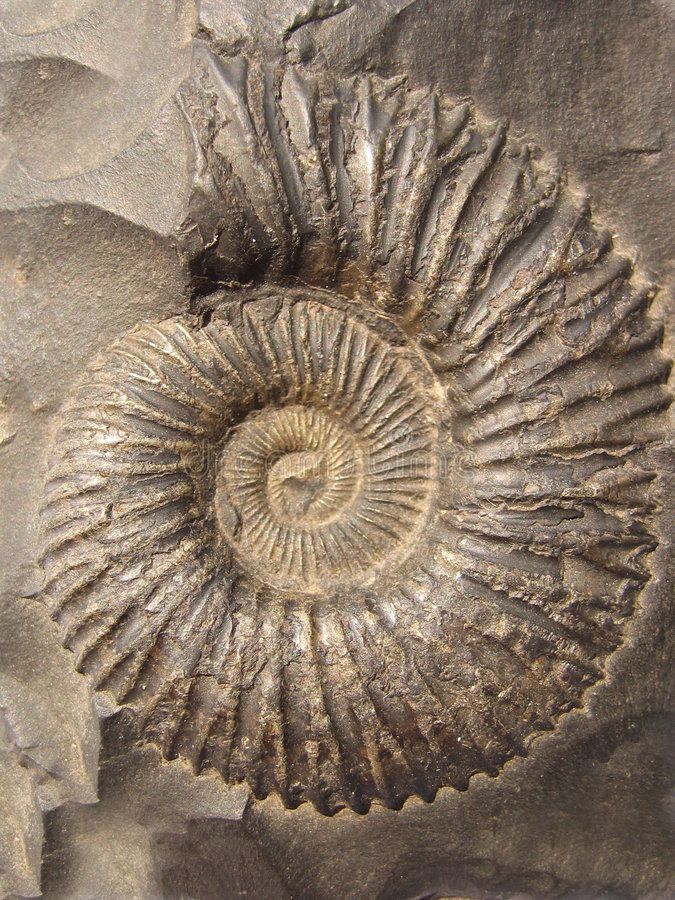
This breathtaking fossil specimen is a perfectly preserved example of Dactylioceras commune, one of the most iconic and recognizable ammonites from the Early Jurassic period (~183–180 million years old). Collected from the world-famous Whitby coast of North Yorkshire, England (Jet Rock Formation, upper Lias, lower Toarcian stage), this ammonite displays the classic tightly ribbed, evolute spiral that defines the genus Dactylioceras.
Exceptional Preservation in Pyrite During fossilization in the oxygen-depleted seafloor of the ancient Toarcian sea, the original aragonitic shell was replaced molecule-by-molecule by golden-bronze pyrite (fool’s gold), giving the entire fossil a stunning metallic sheen that catches the light beautifully from every angle. This pyritization process is characteristic of the Whitby “Jet Rock” and its lateral equivalent, the Posidonia Shale of Holzmaden, Germany. The ribs are sharp and pronounced, with each rib terminating in small lateral tubercles or spines near the venter—a diagnostic feature of D. commune.
Specimen Highlights:
- Species: Dactylioceras commune (Sowerby, 1815)
- Age: Lower Jurassic – Lower Toarcian (~182 Ma)
- Location: Whitby, North Yorkshire Coast, United Kingdom
- Formation: Whitby Mudstone Formation (Jet Rock member)
- Diameter: approximately 10.8 cm (measured across the widest whorl)
- Thickness: ~2.8 cm at the aperture
- Preparation: Professionally prepared with air abrasion; no restoration or composite work – 100% authentic and natural
- Matrix: Dark grey-black shale, typical of the Jet Rock
- Condition: Superb – both sides visible (phragmocone and partial body chamber preserved), no significant crushing, only minor natural shelf wear on the reverse side
Scientific & Display Value Dactylioceras is an index fossil for the Lower Toarcian worldwide and played an important ecological role as a fast-moving nektonic carnivore. Specimens of this quality, with full pyritization and three-dimensional relief, are highly sought after by both collectors and museums. The metallic golden-bronze luster against the jet-black shale creates a dramatic contrast that photographs exceptionally well and makes this piece an outstanding display item under both natural and spotlight lighting.
Provenance Legally collected with landowner permission from a classic Yorkshire locality, accompanied by a Certificate of Authenticity and detailed locality label suitable for serious collections.
A true museum-grade example of one of Britain’s most beautiful and historically significant Jurassic fossils—an investment piece that combines scientific importance with timeless aesthetic appeal.