Art Styles: Drawing the Same Subject in 3 Different Art Styles
One of the best ways to understand and appreciate different art styles is to draw or paint the exact same subject multiple times, each time applying a distinct approach. This exercise highlights how style choices—like line quality, detail level, color use, and emphasis—completely transform the same object. It also helps beginners explore their preferences and develop versatility.
For this guide, let’s use a simple, everyday subject: an apple. It’s recognizable, has nice form, texture, and color potential, making it perfect for comparison. We’ll redraw it in three popular and contrasting styles:
- Realism (detailed, lifelike representation)
- Impressionism (loose, light-focused, atmospheric)
- Cartoon (simplified, fun, expressive)
1. Realistic Style
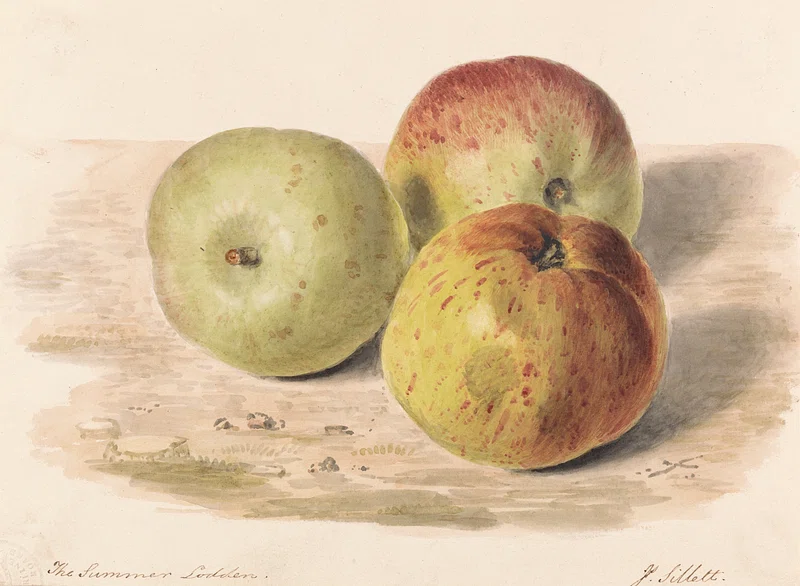
Realism aims to capture the subject as accurately as possible, with precise proportions, detailed shading, accurate textures (like the apple’s skin sheen and subtle imperfections), and believable lighting. Artists focus on observation, value gradients, and subtle color shifts.
Key techniques:
- Use hatching, cross-hatching, or smooth blending for shadows.
- Pay attention to highlights, cast shadows, and core shadows.
- Include tiny details like stem texture or surface blemishes.
This style feels photographic and three-dimensional.
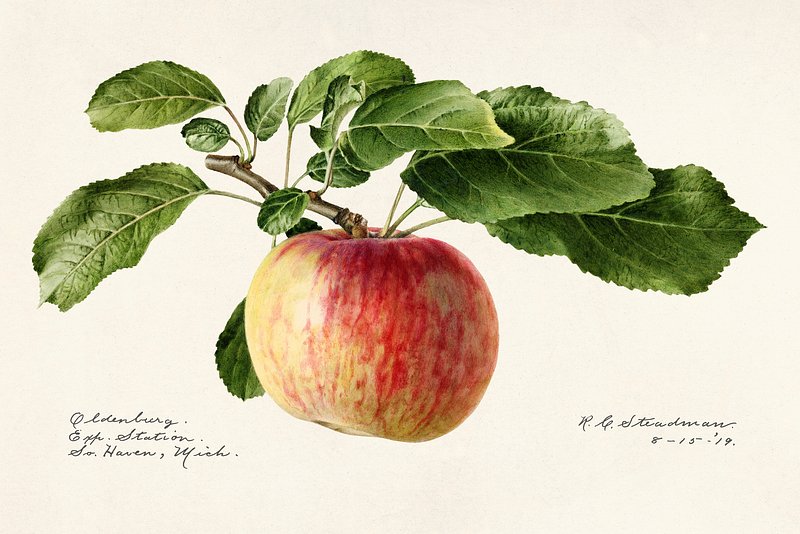
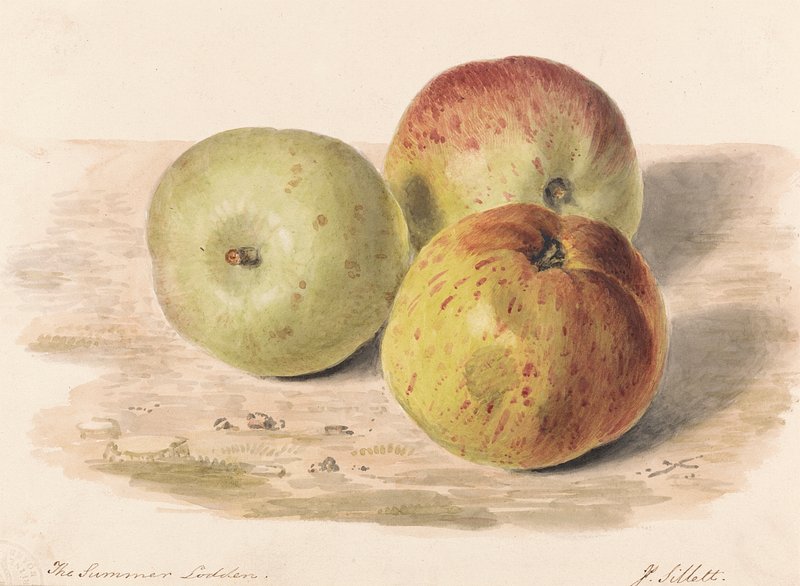
These realistic apple drawings show fine shading and lifelike detail.
2. Impressionist Style
Impressionism prioritizes the impression of light, color, and atmosphere over precise detail. Think loose, visible brushstrokes (or pencil marks), broken color, and an emphasis on how light hits the subject rather than exact outlines.
Key techniques:
- Use short, dappled strokes instead of smooth blending.
- Mix colors optically (place complementary hues next to each other).
- Soften edges and focus on overall mood rather than fine texture.
The apple appears vibrant and lively, as if caught in a fleeting moment of light.
These impressionist-inspired apples feature loose, colorful strokes evoking light and movement.
3. Cartoon Style
Cartoon (or comic) style simplifies shapes, exaggerates features, and emphasizes personality or fun. Outlines are bold and clean, colors are flat or cel-shaded, and details are minimal or stylized for expressiveness.
Key techniques:
- Use thick, confident outlines.
- Simplify the form (rounder shapes, bigger highlights).
- Add personality—maybe a cute face, exaggerated shine, or playful tilt.
This version feels approachable, whimsical, and full of character.
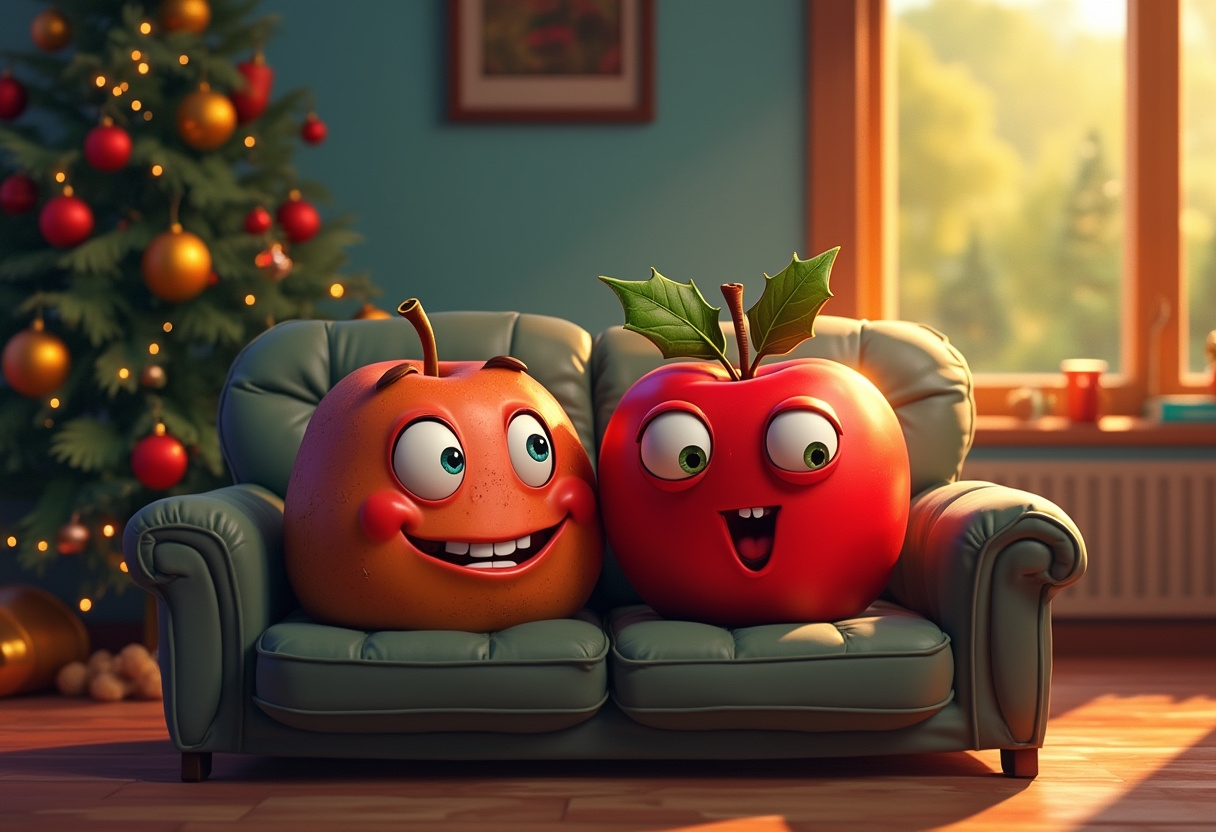
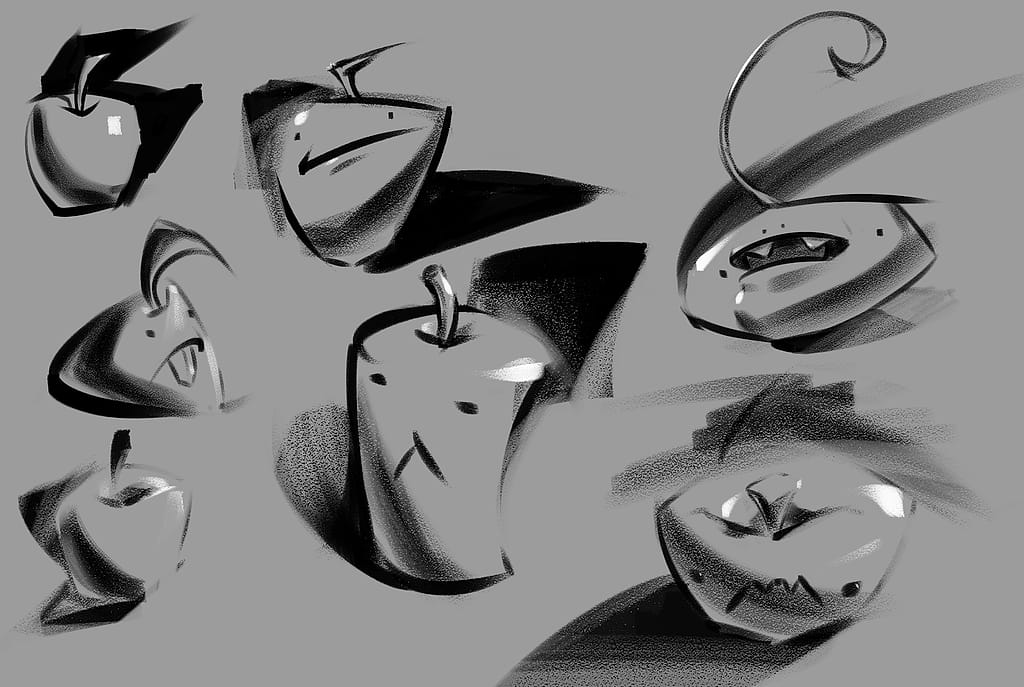
These cartoon apples are simplified, fun, and full of personality with bold lines and playful elements.
Why This Exercise Is So Valuable
- Trains your eye to see the same subject differently.
- Builds understanding of core elements: line, shape, value, color, texture.
- Helps you discover which styles feel most natural or exciting to you.
- Encourages experimentation without fear—it’s the same apple, so “mistakes” in one style become strengths in another.
Try it yourself! Pick a simple subject (apple, mug, shoe, your hand) and redraw it in:
- Realism → Impressionism → Cartoon (or swap in your favorites: anime, sketchy line art, minimalism, surrealism, etc.)
Bonus challenge: Do a fourth version in a style you’re curious about, like anime (exaggerated eyes/expressions) or abstract (focus on shapes and colors only).
Video Tutorials for Inspiration
Watch these to see artists redraw the same subject in multiple styles:
- “One Drawing, But 4 Different Styles!” (YouTube) – Fun character redraws in varied approaches.
- “Realism & Anime CLASS – comparing” (YouTube) – Direct side-by-side comparison of realistic vs. stylized drawing.
Grab your sketchbook, choose your subject, and start exploring—your apple (or whatever you pick) will look completely different each time, and that’s the magic of art styles! 🍎✏️