The Giant “Truck Tire Fossil” of Fernie: A Massive Canadian Ammonite
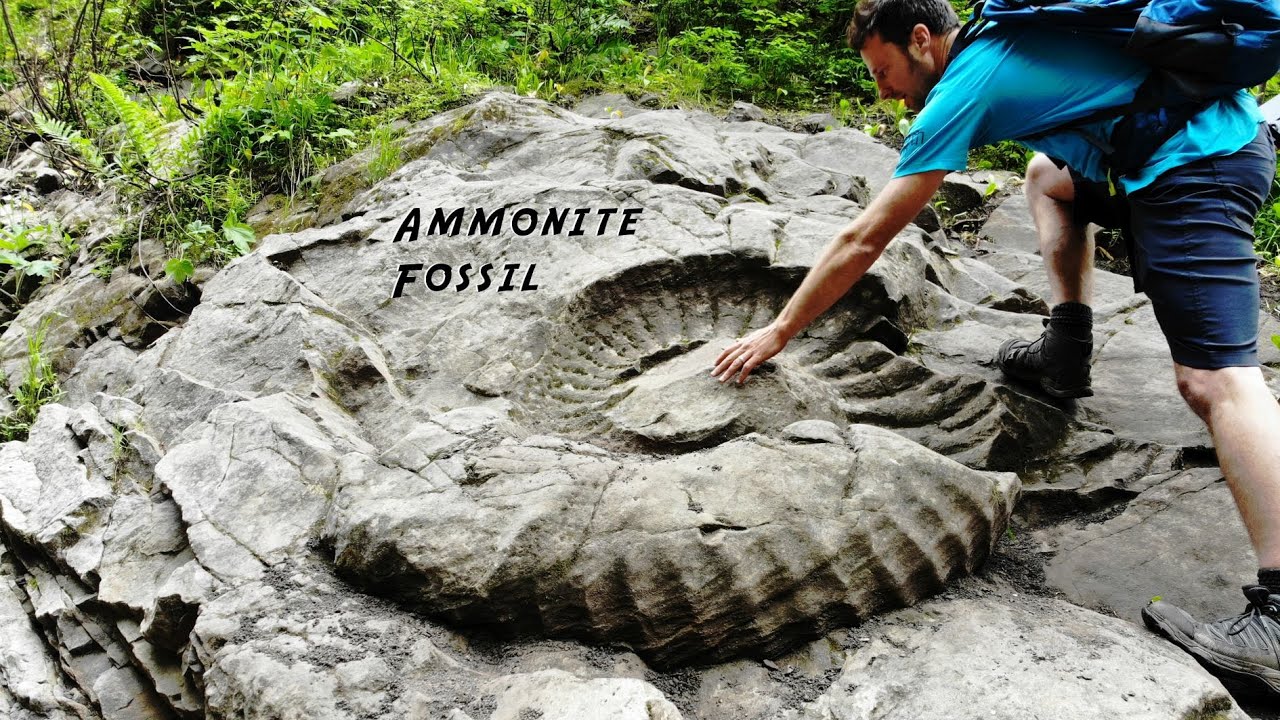
Ammonites, which roamed the Earth’s seas for 140 million years before going extinct 65 million years ago, were closely related to the modern-day nautilus. Part of the cephalopod family, they shared traits with octopuses, squids, and cuttlefish.
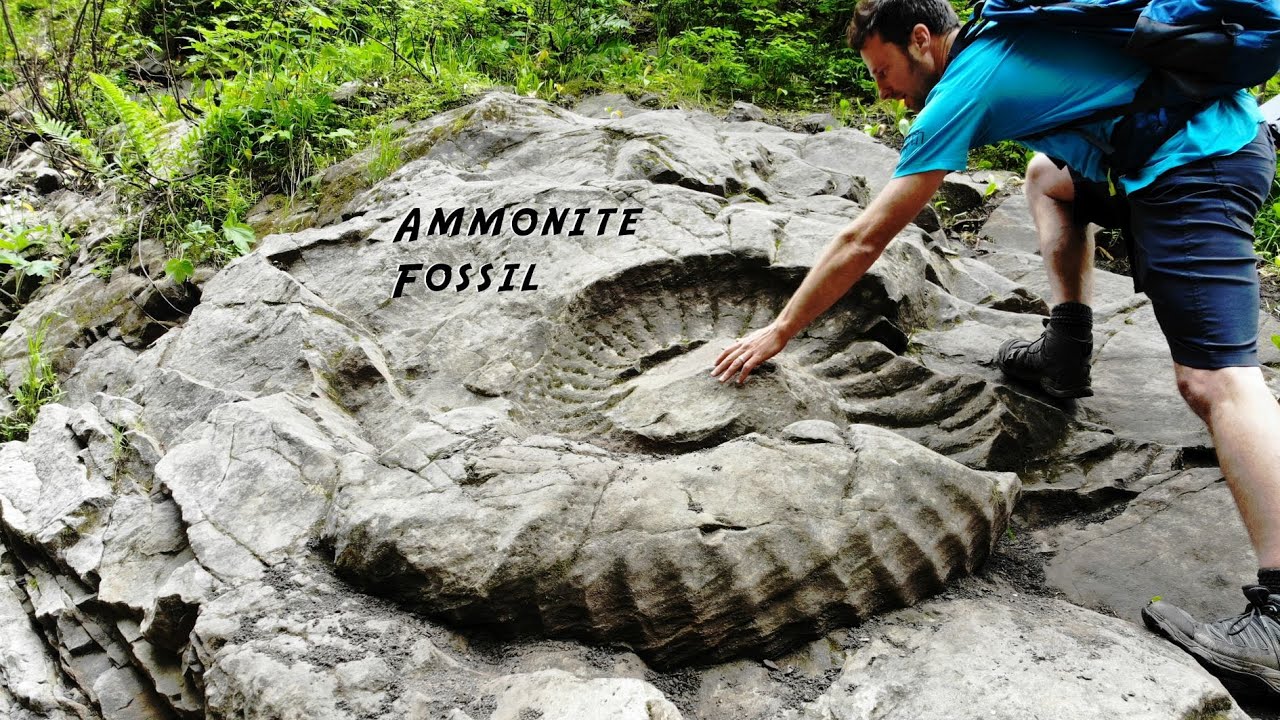
The Fernie fossil, identified as a Titanites sp., possibly Titanites occidentalis, is thought to be the largest ever found in Canada. However, it remains to be confirmed, as the specimen has yet to be officially shipped to a museum or university for examination since its discovery in the 1940s.
In 2019, a team from Strata GeoData Services (SGDS Hive) and non-profit society Below BC visited the site (Photo below). The team has been working closely with local government and mining offices to explore parts of British Columbia’s geological heritage through a grant from Geoscience BC. Utilizing various methods, the project aims to digitize collections and sites for educational purposes and make the province’s geological treasures accessible to people worldwide.
Though ammonites shared their extinction fate with the dinosaurs at the end of the Cretaceous period, their 140-million-year reign saw some species evolve into large, formidable predators. The Fernie fossil, while impressive, is not the largest ammonite fossil ever discovered. That record belongs to a 78-million-year-old Parapuzosia seppenradensis fossil found near Munster, Germany. The specimen, though incomplete, suggests that the animal would have had a diameter of over eight feet!