Exploring “The Lost World of Fossil Lake”: A Stunning Book on Eocene Paleontology from the Green River Formation

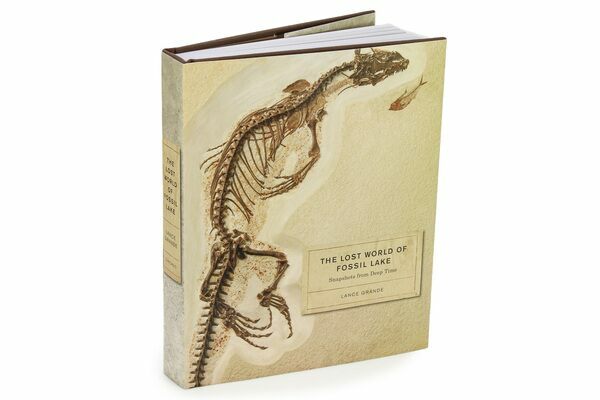
This captivating image showcases the cover of The Lost World of Fossil Lake: Snapshots from Deep Time (2013), a landmark publication by renowned paleontologist Dr. Lance Grande. Published by the University of Chicago Press, the book is widely regarded as one of the most beautiful and authoritative works on the world-famous Fossil Butte Member of the Green River Formation in southwestern Wyoming.
The cover design masterfully features a complete, articulated fossil skeleton of a predatory perch-like fish (likely Priscacara serrata or a close relative) preserved in exquisite detail on a light beige limestone slab. The specimen is displayed in a classic lateral view, with its elongated body, prominent dorsal and anal fins, sharp teeth, and delicate fin rays all clearly visible. A small, schooling fish (Knightia eocaena, the Wyoming state fossil) appears to float nearby, captured in a dramatic “snapshot” moment that evokes the ancient lake’s sudden mass mortality events. The warm, sandy background of the slab contrasts beautifully with the dark, mineralized bones, creating a timeless, almost ethereal aesthetic. A subtle title box in the lower right reads: “THE LOST WORLD OF FOSSIL LAKE Snapshots from Deep Time”, with photography credits to Lance Grande and John Weinstein.
Here are several high-quality views of the book cover to appreciate its elegant design and fossil detail:

Why This Book Is Essential for Paleontology Enthusiasts
Lavishly produced in full color with over 400 pages, this volume combines breathtaking large-format photography with rigorous scientific analysis. Dr. Grande, a curator emeritus at the Field Museum of Natural History in Chicago and a leading expert on Green River fossils, presents the extraordinary biodiversity preserved in Fossil Lake — one of three ancient lakes in the Eocene-aged (approximately 52–48 million years ago) Green River Formation.
The site, near the ghost town of Fossil, Wyoming, is celebrated for its exceptional preservation: anoxic bottom waters, fine sediment, and rare volcanic ash layers created lagerstätten conditions that captured everything from delicate soft tissues to entire food webs in stunning clarity.
Key Highlights from the Book (Tutorial-Style Overview)
-
Geological Setting — Learn how tectonic activity, subtropical climate, and seasonal anoxia in a volcanic-ringed lake system led to the formation’s famous “split fish” layers (F-1, F-2, etc.), where slabs can be split to reveal perfectly preserved fossils.
-
Biodiversity Showcase — The book covers an astonishing range of organisms:
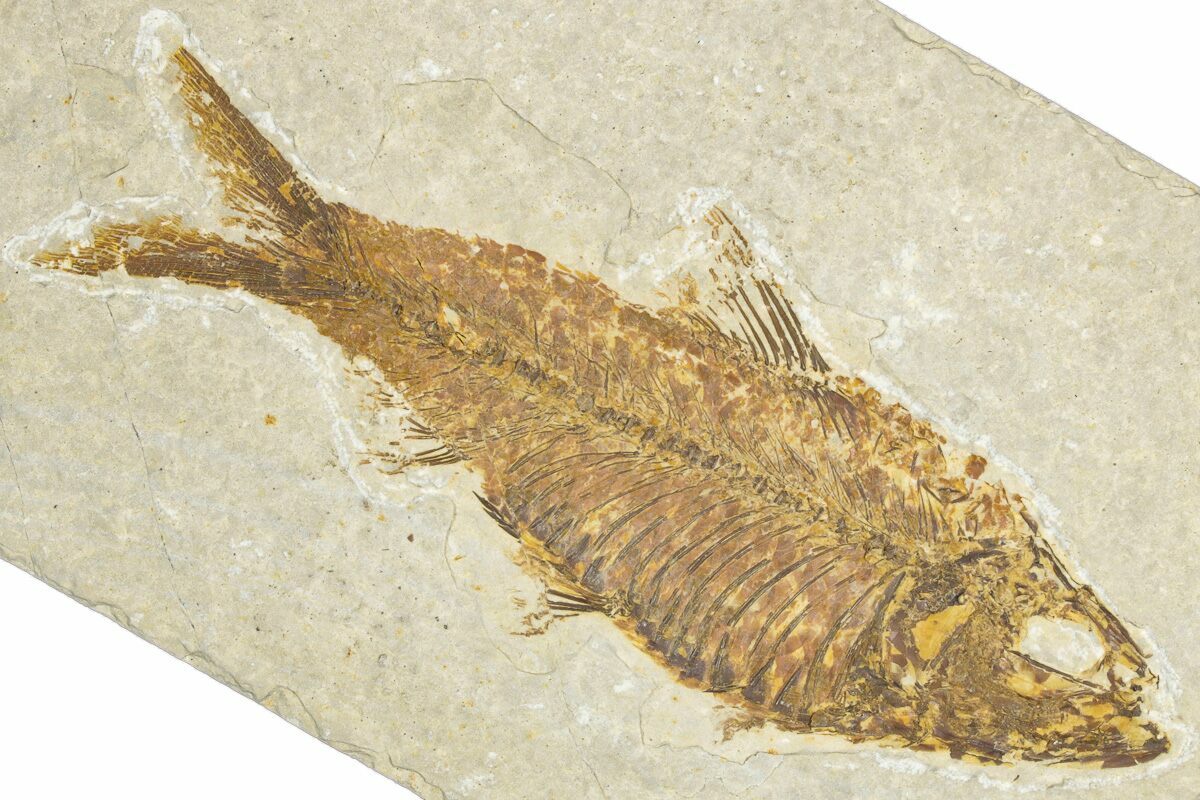
- Abundant schooling fish like Knightia eocaena (herring-like clupeids)
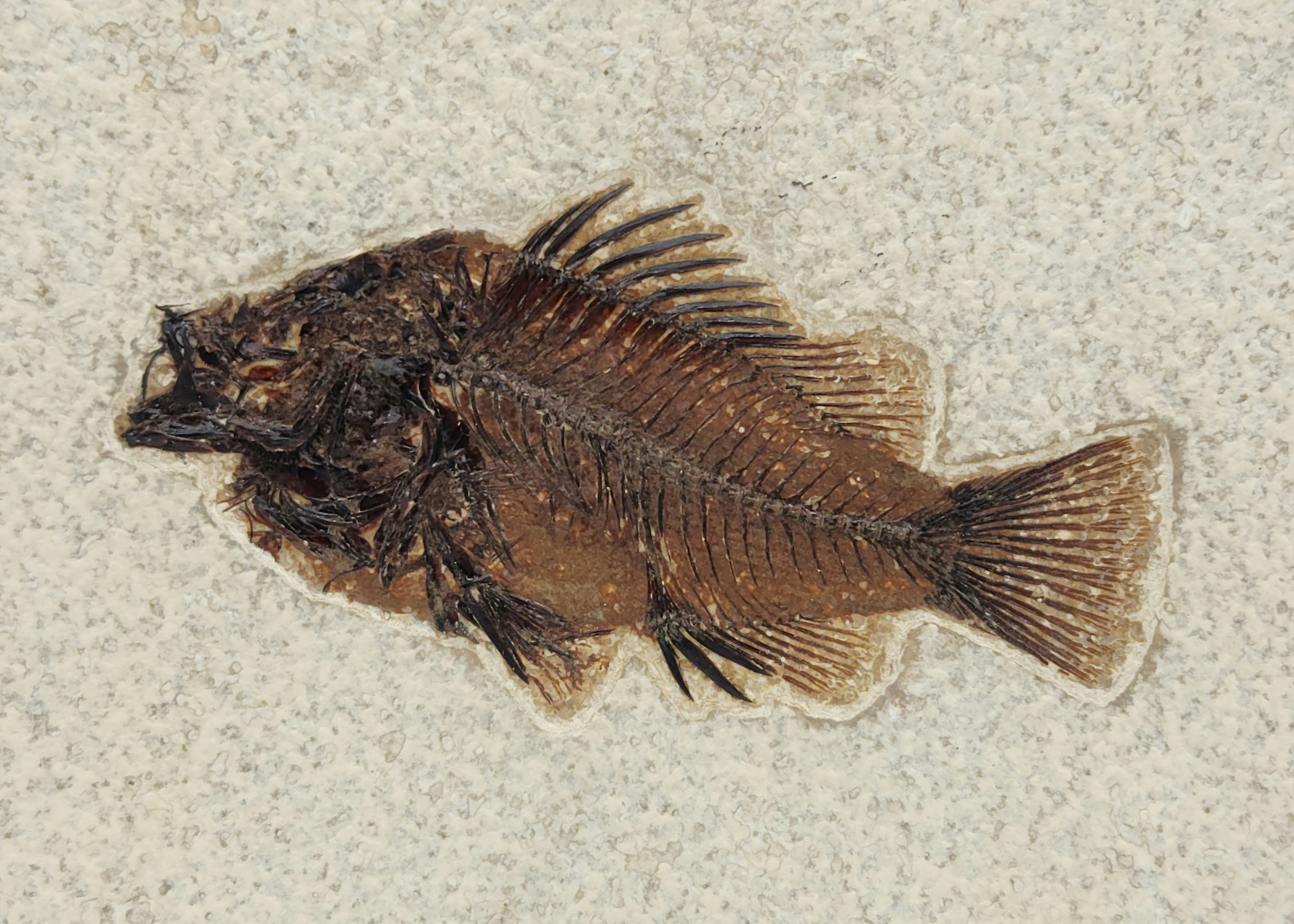
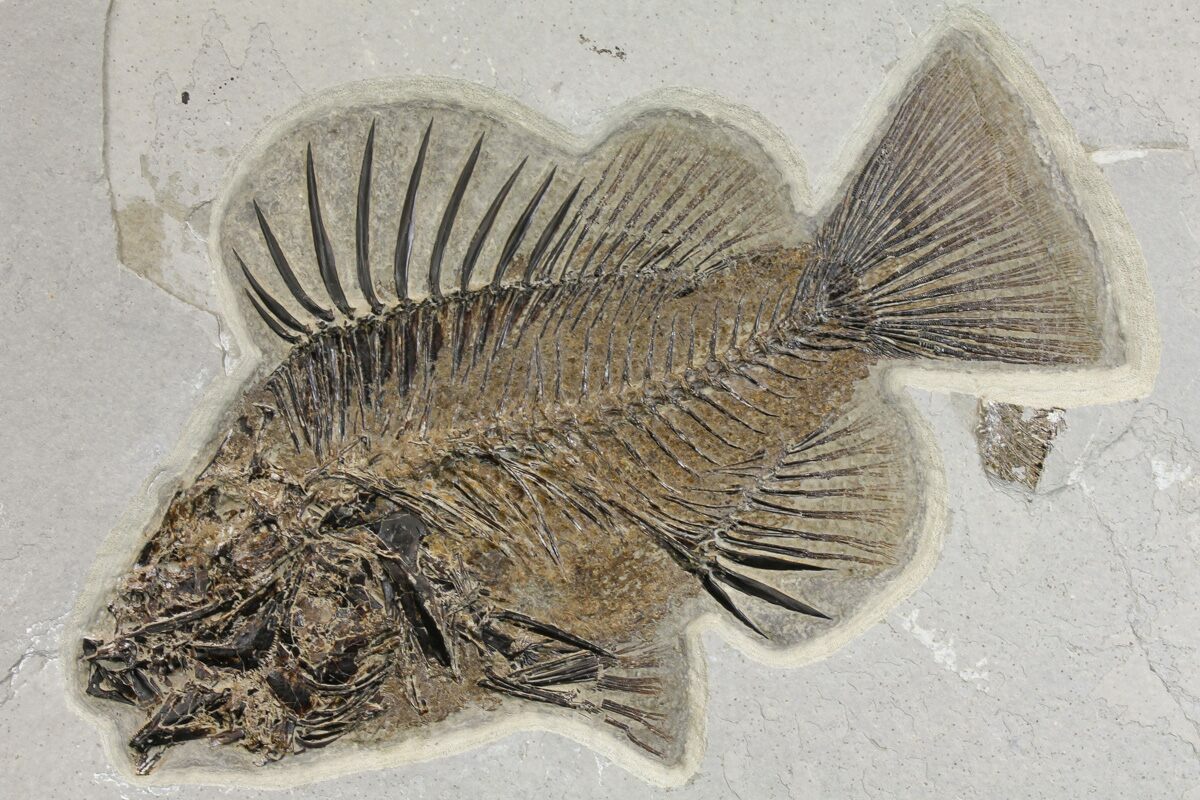
- Predatory perch relatives such as Priscacara serrata and Mioplosus labracoides
- Rare larger predators including paddlefish (Crossopholis) and bowfin (Amia)
- Non-fish fossils: crocodiles, turtles, birds, insects, plants (palms, sycamores), and even single-celled algae
Here are excellent examples of the iconic fossils featured throughout the book:
Priscacara serrata (the perch-like predator on the cover):
Knightia eocaena (the tiny fish often found in mass mortalities):
More stunning Green River Formation fish assemblages:

- Scientific Insights — Grande explains evolutionary significance, paleoecology, trophic structure (predator-prey relationships), and comparisons to modern lakes. The book includes detailed identification guides, stratigraphic context, and historical accounts of discoveries dating back to the 19th century.
- Photography & Production — Co-credited to professional photographer John Weinstein, the images are museum-quality, often full-page or double-spread, making the book both a scientific reference and a coffee-table masterpiece.
Who Should Read This Book?
- Amateur fossil collectors and field enthusiasts interested in Green River sites
- Professional paleontologists and students studying Eocene freshwater ecosystems
- Anyone fascinated by exceptional preservation, mass mortality layers, or the transition from dinosaurs to modern mammals and birds
This cover image perfectly encapsulates the book’s promise: a window into a “lost world” where Eocene life was frozen in time, offering both visual splendor and profound scientific understanding.
Whether you’re planning a trip to Fossil Butte National Monument, building a fossil collection, or simply exploring Earth’s deep history, The Lost World of Fossil Lake remains the definitive resource. Highly recommended for display and study — available in hardcover from major booksellers and fossil specialty shops.
What are your favorite Green River fossils? Have you visited the quarries or read this book? Share your thoughts in the comments!